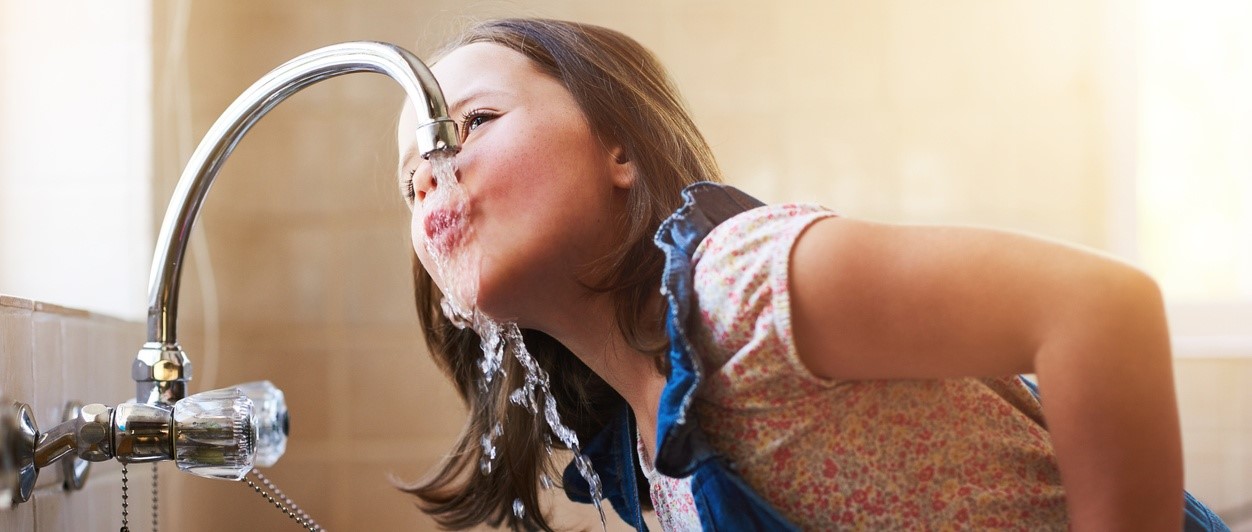
Calidad del agua en el Reino Unido parte 1 – ¿es segura el agua del grifo?
Revisado por pares por Dr Krishna Vakharia, MRCGPEscrito por Amberley DavisPublicado originalmente 17 de oct. de 2023
Cumple con las directrices editoriales
- DescargarDescargar
- Compartir
- Language
- Discusión
- Versión en audio
- Agregar a fuentes preferidas en Google
We drink it every day, and sometimes we swim in it. Access to clean water is a fundamental human right, but growing concerns over sewage pollution have shone a spotlight on UK water. From impurities in drinking water to pollutants in our rivers and seas, we find out how the UK cleans up.
In part 1 of this series, we start in the home and explore the potential safety concerns of our tap water.
Water quality in the UK
You've likely been told to drink plenty of water. This life-sustaining liquid fuels our bodies and minds and helps prevent many health problems. Without it, the average person would die within three days. Yet, water can also carry substances that harm us and make us ill. To prevent this, authorities treat water before it can be drunk and manage common pollutants.
Nutritionist Gabi Zaromskyte helps us explore drinking water safety here in part 1 of our UK water quality series. In part 2, we travel out the home and into our rivers and seas to discover the state of water pollution.
What's in tap water?
The UK has stringent water quality standards to protect your safety, and your tap water is filtered of toxins in treatment plants before it reaches your home. This doesn't totally get rid of all impurities in the water - but the amounts left in are generally considered safe in the UK.
In fact, the UK is one of only six nations worldwide to achieve the maximum score possible for drinking water sanitation in the 2022 Environmental Performance Index1.
When it reaches our homes, nutritionist Gabi explains that water can still carry:
Traces of impurities - Chemicals such as chlorine, limescale, and copper are toxic to the body in large amounts, but the small amounts in drinking water are generally considered safe. In fact, the appropriate amount of chlorine works as a disinfectant, helping to keep your water safe from germs2.
Lead contamination - Older homes with lead plumbing may experience lead leaching into tap water. Too much exposure to lead can hinder mental development in babies and affect the brain, heart, and kidneys in adults3.
Added fluoride - Many UK water suppliers add fluoride to tap water to improve dental health and reduce tooth decay. While the practice is considered safe and effective, some regional areas may naturally have higher water fluoride levels. In rare cases, long-term excessive fluoride intake can lead to skeletal fluorosis - a serious condition of the bones.
Environmental contaminants - Substances that seep into our water sources from the environment, such as nitrates from agricultural run-off or sewage contamination, are mostly removed in treatment plants. However, it's important that we try to limit contamination as much as possible at the source.
Should you filter tap water?
UK tap water shouldn't make you ill because harmful levels of toxins have been filtered out before it reaches your taps. However, domestic water filters claim to remove many of the remaining impurities and improve taste.
The levels of both beneficial and un-beneficial substances in your water will depend on where you live. Also, different filters have different functions - no single water filter can get rid of every type of contaminant. It's also worth noting that water filters can remove minerals that are good for you, like calcium, magnesium, and fluoride which support healthy bones and teeth2.
El World Health Organization (WHO) tener rated a range of water filter brands based on how good they are at keeping out bacteria.
Water filters could help people with sensitivities to chlorine or who have sistemas inmunológicos debilitados and are therefore more vulnerable to the effects of bad bacteria.
Hard water vs soft water
"The choice between hard and soft water largely depends on personal preference and regional water quality," says Gabi. "Both types are generally safe for consumption, and for most people any potential health effects are relatively minor."
The hardness or softness of water depends on its mineral content. Gabi says: "Hard water contains higher levels of essential minerals like calcio y magnesium, which contribute to your daily mineral intake. Soft water has a lower mineral content and tends to have higher concentrations of sal."
From a dietary perspective, this makes hard water slightly healthier, but if you eat enough calcium and magnesium through a dieta saludable, the levels in your water are unlikely to make a difference.
However, if you are more vulnerable to heart related diseases like presión arterial alta, there's some evidence that living in regions with hard water may offer some protection4. It's thought that this might be because soft water contains more salt and causes more stiffness in your arteries5. More robust research is needed, and your diet and lifestyle are considered to be by far the most important factors for salud del corazón.
Nitrates in drinking water and bowel cancer
There's a great deal of interest in the potential link between nitrates in drinking water and cáncer de colon risk - but more research is needed.
"Nitrates are chemical compounds that can be found in groundwater and surface water due to agricultural runoff, sewage contamination, and other sources," says Gabi. "Our bodies convert nitrates to nitrites, which can lead to the formation of nitrosamines in the gut."
Nitrosamines are common in both food and water, but some experts believe that high levels caused by prolonged nitrate exposure may increase a person's cancer risk. One study in New Zealand suggested that high levels of nitrates in drinking water may be contributing to their national cases of bowel cancer6.
So how much nitrate in our drinking water is too much? The UK standard is based on WHO's guidance for safe nitrate levels, which is up to 50 mg per litre7. Drinking levels below 50mg/L do not appear to cause common health problems associated with ingesting toxins, including problemas de tiroides and infant methemoglobinemia - a very rare condition where toxins lower blood oxygen levels in babies. Critics, however, argue that these guidelines don't take long-term cancer risk into account6.
"Nonetheless, it's important to know that the potential risk appears to be associated with long-term exposure to high levels of nitrates," Gabi adds. "Moreover, bowel cancer is a complex disease influenced by multiple factors, including genetics, diet, lifestyle, and other environmental exposures." It"s therefore difficult to know the effects of drinking water nitrates in isolation.
It's good to know about the trace toxins in our tap water, but bear in mind that UK tap water is considered to be among the most sanitised and safe in the world. Further research into the potential toxic affect of nitrates and other substances, at certain levels, can help to maintain or improve our water quality standard in the future.
Lectura adicional
Selecciones del paciente para Condiciones ambientales

Salud general y estilo de vida
Consejos útiles para reducir el desperdicio de alimentos
En el Reino Unido, cada persona desperdicia alrededor de 100 kg de comida en promedio cada año. Tirar comida no consumida es perjudicial tanto para las personas como para el planeta, pero hay medidas que puedes tomar en casa para reducir el desperdicio de alimentos y proteger la salud pública tanto en el presente como en el futuro.
por Amberley Davis

Salud general y estilo de vida
¿Festival en el extranjero? Diviértete y mantente seguro
Has comprado tus entradas, elegido qué artistas quieres ver más, planeado tus atuendos y empacado el glitter, pero los festivales internacionales pueden requerir un poco más de planificación, y la lista de tareas puede variar según el país. Hemos creado una guía sencilla para todas esas consideraciones adicionales de salud y seguridad, para que puedas volver a disfrutar de la vibra del festival sin preocupaciones lo antes posible.
por Amberley Davis
Sobre el autorVer biografía completa

Amberley Davis
Escritora senior
BA (Hons), CPD
Amberley es una escritora senior en Patient y ha escrito extensamente sobre una variedad de temas de salud y bienestar.
Acerca del revisorVer biografía completa

Dr Krishna Vakharia, MRCGP
Director Médico de Salud, Optum UK
MBChB, MRCGP(2013), BMedSci (hons), DFSRH, DRCOG, PGDipDerm (Distn)
La Dra. Krishna Vakharia es una médica general del NHS. También es examinadora habitual del Diploma de Posgrado en Dermatología Práctica en la Universidad de Cardiff, además de ser la Directora Médica de salud en Optum UK.
Historial del artículo
La información en esta página es revisada por pares por clínicos calificados.
Artículo también disponible en Inglés, Alemán, Español, Francés, Italiano, Portugués, Hindi, Hebreo, Árabe, y Sueco.
17 de oct. de 2023 | Publicado originalmente
Escrito por:
Amberley DavisRevisado por pares por
Dr Krishna Vakharia, MRCGP

Pregunta, comparte, conecta.
Navega por discusiones, haz preguntas y comparte experiencias en cientos de temas de salud.

¿Te sientes mal?
Evalúa tus síntomas en línea de forma gratuita
Suscríbete al boletín de Patient
Tu dosis semanal de consejos de salud claros y confiables, escritos para ayudarte a sentirte informado, seguro y en control.
Al suscribirte aceptas nuestros Política de Privacidad. Puedes darte de baja en cualquier momento. Nunca vendemos tus datos.
Más sobre salud general y estilo de vida
- ¿Los productos para el cuidado de la piel te están poniendo en riesgo de quemaduras solares?
- Cálculo del riesgo absoluto y riesgo relativo
- Piel seca en invierno: lo que el frío puede hacerle a tu piel
- Controles de salud que puedes hacer en casa
- Cómo aumentar tus niveles de vitamina D este invierno
- Cómo cuidar tu piel en invierno
- Cómo comer reconfortante de manera saludable en invierno
- Cómo beber menos durante la Navidad y el Año Nuevo
- Cómo beber más agua y mantenerse hidratado en un festival
- Cómo beber de manera segura durante Navidad y Año Nuevo
- Cómo mantener tus resoluciones de Año Nuevo para estar en forma
- Cómo proteger tu salud mental en el lugar de trabajo como mujer negra
- Cómo decir no a una invitación de Navidad
- Año Nuevo, Nuevo Yo: Por qué reinventarte en 2025 podría ser perjudicial para tu salud mental
- Recetas: tus preguntas respondidas
- ActualizadoProtegiendo tu piel de la contaminación dañina
- ¿Cuáles son los beneficios del colágeno y puede prevenir el envejecimiento de la piel?
- Lo que necesitas saber sobre dejar de tomar medicamentos
- Cuándo tomar un día de salud mental en el trabajo y cómo hablar con tu jefe
- Por qué no deberías omitir tu chequeo de salud gratuito del NHS