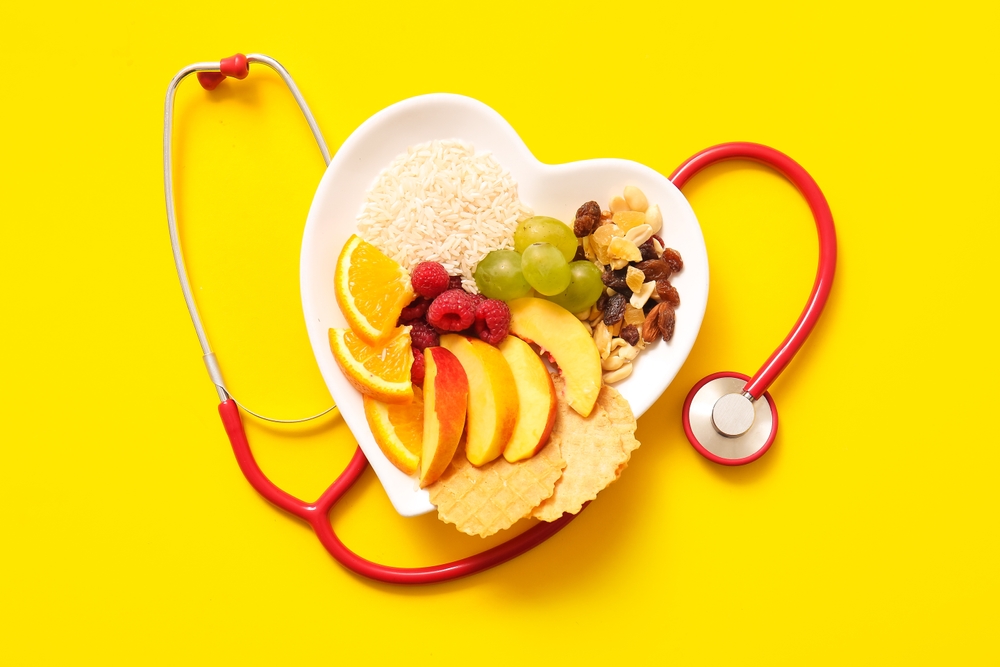
How diet affects your heart
Peer reviewed by Dr Colin Tidy, MRCGPLast updated by Josh AldermanLast updated 24 Jul 2026
Meets Patient’s editorial guidelines
- DownloadDownload
- Share
- Language
- Discussion
- Audio Version
- Add to preferred sources on Google
The expression 'you are what you eat' is most true of all where your heart is concerned. What you put into your body has a huge impact on your liver, your bowel, your kidneys, and your brain - but also on your arteries, which supply all your organs with vital oxygen.
How your diet affects your heart
Heart disease is one of the leading causes of illness and death worldwide, but many of the factors that increase your risk can be influenced by your lifestyle.
Diet plays an important role in keeping your heart and blood vessels healthy, affecting everything from cholesterol and blood pressure to blood sugar levels and body weight.
No single food can prevent heart disease, but eating a balanced diet rich in nutritious foods can help lower your risk over time.
Why does diet matter for heart health?
The foods you eat provide the nutrients your heart needs to function properly. They also influence several risk factors for cardiovascular disease, including cholesterol levels, blood pressure, blood sugar, and body weight.
A heart-healthy diet can help keep your blood vessels healthy, reduce strain on your heart and lower the risk of conditions such as heart attack and stroke.
Combined with regular exercise, not smoking and getting enough sleep, healthy eating is one of the most effective ways to protect your heart.
How diet affects cholesterol levels
Cholesterol is a fatty substance that your body needs to build cells and produce hormones. However, having too much low-density lipoprotein (LDL), often called "bad" cholesterol, can cause fatty deposits to build up inside your arteries. Over time, this can narrow the arteries and increase the risk of heart attack and stroke.
Diet can have a significant effect on cholesterol levels. Foods high in saturated fat, such as processed meats, butter, pastries and some full-fat dairy products, can raise LDL cholesterol in some people.
Replacing saturated fats with unsaturated fats found in foods such as olive oil, avocados, nuts, and seeds may help improve cholesterol levels. Eating plenty of fibre, particularly soluble fibre from oats, beans, lentils, and fruit, can also help lower LDL cholesterol.
How diet influences blood pressure
Blood pressure is the force of blood pushing against the walls of your arteries. High blood pressure makes your heart work harder and increases the chance of heart disease, stroke, and kidney disease.
A diet high in salt can contribute to raised blood pressure, particularly in people who are sensitive to sodium. Most adults consume more salt than recommended, much of it from processed and packaged foods rather than the salt added during cooking.
Eating plenty of fruit and vegetables provides potassium, which helps balance the effects of sodium. Reducing highly processed foods and choosing fresh ingredients more often can also help support healthy blood pressure.
How blood sugar levels affect your heart
Persistently high blood sugar can damage blood vessels over time, increasing the risk of heart disease. This is particularly important for people with diabetes or prediabetes, who have a higher risk of developing cardiovascular disease.
Eating foods that provide steady energy, such as wholegrains, beans, pulses, and vegetables, can help avoid large spikes in blood sugar. Limiting sugary drinks and highly processed foods may also support healthy blood sugar control.
How weight and body fat affect heart health
Carrying excess body fat, particularly around your waist, is associated with an increased risk of heart disease. It can contribute to high blood pressure, raised cholesterol, insulin resistance, and type 2 diabetes, all of which place extra strain on your heart.
Rather than focusing on restrictive diets or rapid weight loss, aim for sustainable eating habits that include a variety of nutrient-rich foods. Even modest weight loss can improve heart health in people who have overweight or obesity.
Can food cause inflammation in your body?
Inflammation is part of the body's natural defence system, but long-term, low-grade inflammation has been linked to the development of heart disease.
While no single food causes or cures inflammation, overall dietary patterns appear to influence inflammatory processes. Diets rich in vegetables, fruit, wholegrains, legumes, nuts, seeds, and oily fish are associated with lower levels of inflammation.
By contrast, diets high in processed foods, sugary drinks, and saturated fats may contribute to inflammation and poorer cardiovascular health.
Which diet is best for heart health?
There is no single "perfect" diet, but some eating patterns have consistently been linked with better heart health.
Mediterranean diet
The Mediterranean diet is one of the most well-researched eating patterns for cardiovascular health. It emphasises vegetables, fruit, wholegrains, beans, lentils, nuts, seeds, olive oil, and fish, while limiting processed foods and red meat.
Research suggests that following a Mediterranean-style diet may help lower the risk of heart disease and stroke. It has also been linked with improvements in cholesterol levels, blood pressure, and blood sugar control.
DASH diet
The Dietary Approaches to Stop Hypertension (DASH) diet was developed to help lower blood pressure but also benefits overall heart health.
It focuses on fruit, vegetables, wholegrains, low-fat dairy foods, lean protein, beans, and nuts while limiting foods high in salt, saturated fat, and added sugar. Studies have shown that the DASH diet can reduce blood pressure and may lower the risk of cardiovascular disease.
How to keep your heart healthy
Alongside eating a balanced diet, these habits can help protect your heart:
Eat at least five portions of fruit and vegetables each day.
Choose wholegrain bread, rice, and pasta where possible.
Include healthy fats from foods such as olive oil, nuts, and oily fish.
Limit foods high in saturated fat, salt, and added sugar.
Cut back on ultra-processed foods where possible.
Stay physically active and aim for regular exercise.
Maintain a healthy weight.
Have regular health checks if you have risk factors for heart disease.
Summary
A healthy diet can help lower your risk of heart disease by improving cholesterol, blood pressure, blood sugar, and weight.
Eating a balanced diet alongside other healthy lifestyle habits is one of the best ways to protect your heart over time.
Patient picks for Diet
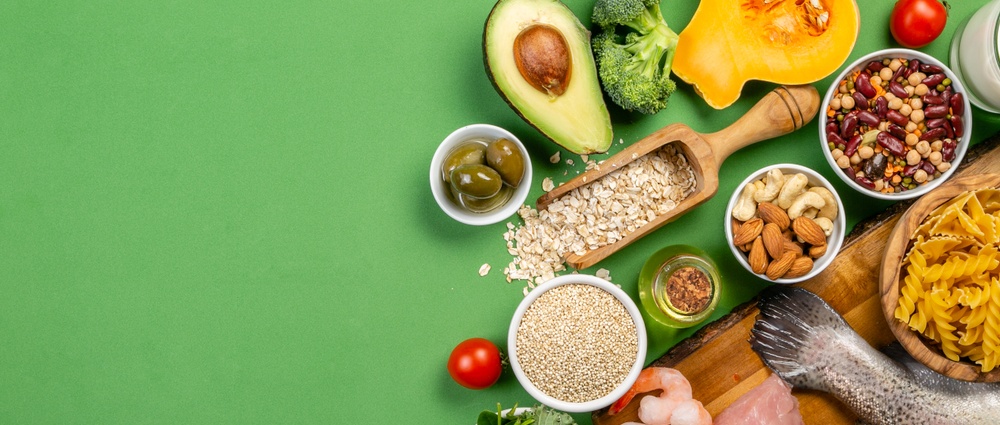
Diet and nutrition
Simple ways to follow a Mediterranean diet
A Mediterranean diet conjures up an image of fresh fish and colourful salads doused in olive oil, washed down with a glass of red wine - all while sitting in the sun of course. While we may not have reliable sunshine in the UK, we can certainly tap into the wide-ranging health benefits offered by the Mediterranean diet.
by Lynn Stephen
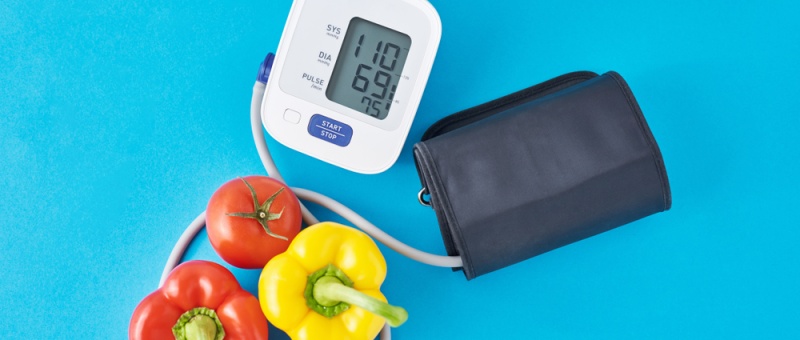
Heart health and blood vessels
DASH diet - healthy eating that helps lower blood pressure
The DASH diet is a heart-healthy diet that lowers blood pressure and cholesterol. Far from being specialist, this eating plan can benefit many people - whether you're looking to improve poor heart health, manage a related condition, or protect yourself against future health problems.
by Lynn Stephen
About the authorView full bio

Dr Sarah Jarvis
Clinical Consultant
MA (Cantab), BM, BCh (Oxon), DRCOG, FRCGP, MBE
After training in medicine at Cambridge and Oxford, Dr Sarah Jarvis MBE became a GP.
About the reviewerView full bio

Dr Colin Tidy, MRCGP
General Practitioner, Medical Author
MBBS, MRCGP, MRCP (Paediatrics), DCH
Dr Colin Tidy is an NHS Doctor, based in Oxfordshire.
Article history
The information on this page is peer reviewed by qualified clinicians.
Article also available in English, German, Spanish, French, Italian, Portuguese, Hindi, Hebrew, Arabic, and Swedish.
Next review due: 23 Jul 2029
24 Jul 2026 | Latest version
16 Jun 2018 | Originally published
Authored by:
Dr Sarah Jarvis
Join the conversation
Share your thoughts or experiences with others in our patient communities.

Ask, share, connect.
Browse discussions, ask questions, and share experiences across hundreds of health topics.

Feeling unwell?
Assess your symptoms online for free
Sign up to the Patient newsletter
Your weekly dose of clear, trustworthy health advice - written to help you feel informed, confident and in control.
By subscribing you accept our Privacy Policy. You can unsubscribe at any time. We never sell your data.
More in diet and nutrition
- Are artificial sweeteners really that bad for us?
- Do New Year's diets actually work?
- Do supplements work for depression?
- How much protein do you need to build muscle?
- How to boost your vitamin D levels this winter
- How to live longer: good habits for a healthy life
- How to make healthier choices without missing out
- How your gut affects your overall health
- IBS diet: foods to eat and avoid
- Is drinking olive oil good for you?
- Is intermittent fasting healthy?
- Most vitamin supplements aren't beneficial for health, study finds
- Patient's Christmas Cook Off
- Recipe: Gluten-free hot cross buns
- Signs you’re not drinking enough water
- Vitamin B12 deficiency signs you need to know
- What are the benefits of a plant-based diet?
- What are the benefits of baby probiotics?
- What is inflammation and which foods reduce it?
- What is The Fast 800 diet?