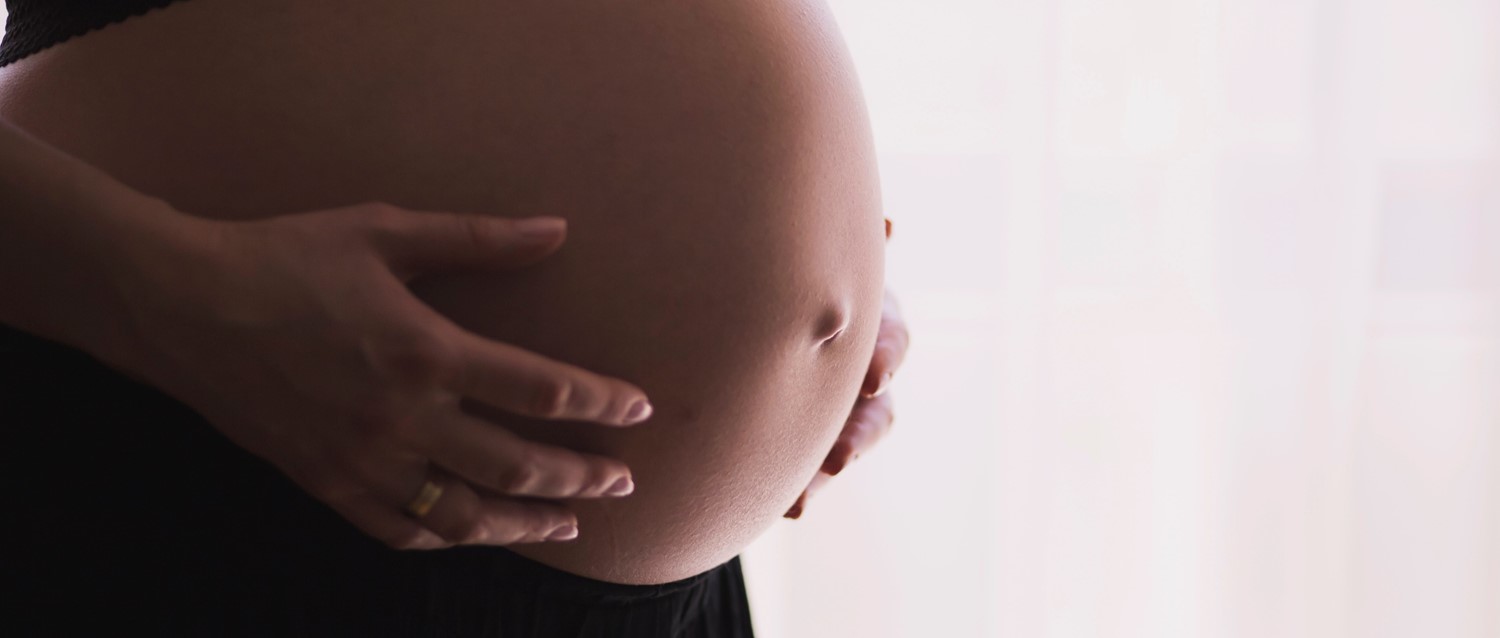
Cómo ayudar a tu recuperación de cesárea
Revisado por pares por Dr Krishna Vakharia, MRCGPEscrito por Lydia SmithPublicado originalmente 11 Apr 2023
Cumple con las directrices editoriales
- DescargarDescargar
- Compartir
- Language
- Discusión
- Versión en audio
Cuando te estás adaptando a la vida con un bebé y lidiando con leche y pañales, puede ser fácil olvidar que tuviste una cirugía mayor si tuviste una cesárea. Recuperarse de cualquier parto puede ser difícil, pero sanar después de una cesárea viene con desafíos únicos. Entonces, ¿qué puedes hacer para ayudar en el proceso de curación?
En este artículo:
Videos seleccionados para Trabajo de parto y nacimiento
Around one in four women in the UK give birth via cesárea, an operation to deliver a baby through a cut made in the tummy (abdomen) and womb. It may be a planned procedure or done in an emergency if a vaginal birth is too risky for the woman or baby.
Alanna Linkhorn, a midwife for the pregnancy charity Tommy’s, says it usually takes around six weeks to fully recover from a cesárea but this will depend on the individual.
“Some people may need more time to heal, especially if they experienced complications during the operation,” she says. “It’s really important that you speak to your GP if you feel that, at six weeks, recovery is going slowly or you’re still in pain.”
Continúa leyendo abajo
Take it slow
Moving around after a C-section may feel daunting, but it’s important as it can help prevent coágulos de sangre and aid recovery.
Val Willcox, practice manager at the National Childbirth Trust, recommends asking a member of staff or your partner to be on hand the first few times, just in case you feel light-headed. “Some women find it helps to roll over to their side and slide their legs off the bed before sitting up,” says Willcox.
You should have your postnatal check-up with your GP six to eight weeks after your baby's birth to make sure you feel well and are recovering properly. “Gentle ejercicio como caminar can help with recovery, but it’s best to avoid anything more strenuous until you have had your postnatal check-up, have no pain and you feel ready,” says Linkhorn.
“After your check-up, if you no longer feel any pain, it’s usually safe to start low-impact exercises, such as swimming, yoga or low-resistance gym work,” Linkhorn adds. “However, your GP will likely recommend you wait for at least 12 weeks before starting any high-impact exercises such as running.”
It’s normal for a scar to look healed externally, but it’s important to remember that the wound may not be fully healed underneath. Linkhorn says the outside skin layer of your wound often heals within the first week post-birth.
“However, the internal healing of muscle and other skin layers is ongoing for many weeks and so it is easy to forget this and start to overdo things,” she says. “Be kind to yourself and listen to your body when it needs to rest and heal.”
Get help at home
Volver al contenidoHaving a queue of visitors wanting to see your baby when you get home can be overwhelming and stressful. However, having some help at home from a relative or friend can be really handy.
“It is advisable to have help at home for at least the first two weeks post-surgery if possible,” says Linkhorn. “We recommend avoiding lifting anything heavier than your bebé, or doing heavy housework including vacuuming, for at least six weeks.”
However, it's not always easy to ask for or accept help and not everyone has friends and family nearby. “Your health visitor or local children's centre should be able to help suggest sources of support,” says Willcox. “If you have any questions or concerns about feeding your baby, you can contact NCT’s Support Line.”
Most people are fit to drive six weeks after a cesárea. “If you feel that you are fit to drive before six weeks, you should make your insurance company is aware,” she adds.
Continúa leyendo abajo
Get in and out of bed with care
Volver al contenidoSitting up, or getting in and out of bed might be painful. You may also risk bursting your stitches. It can help to try rolling onto your side with your knees bent first, then dropping your legs over the side of the bed.
Be aware of infection symptoms
Volver al contenidoIf you have any signs of infection, contact your midwife or GP immediately. Signs include having a temperatura alta, stomach pain, experiencing chills or feeling generally unwell. Your wound may also be red, hot, swollen or abnormally painful. If infected, the wound may also leak fluid or bleed.
Continúa leyendo abajo
Look after your scar
Volver al contenido“Once your doctor has confirmed your wound appears healed and you no longer have any scabbing in the area, they may advise you to start massaging your scar,” says Linkhorn. “This can help to break up the scar tissue, which helps to promote healing and can help improve the look and feel of the scar.”
Look after your mental health
Volver al contenidoIt also takes time to recover emotionally from el parto, as well as physically. “Even if all goes smoothly, having a C-section can give you emotions you weren’t prepared for,” says Linkhorn.
An emergency caesarean can be a traumatic experience which can lead to ansiedad, depresión y TEPT. Speak to your midwife, health visitor or GP about how you’re feeling and they will be able to support you.
It’s also common to struggle with your imagen corporal after birth.
Embarazo and birth bring about changes to your body - and while some people feel positive about it, others feel upset. Talking to other women who have had caesareans can help reassure you you’re not alone, however you feel. You may want to join a mother and baby group or an online support group to find others who have had a C-section.
Have sex when you feel ready
Volver al contenido“You can resume sexual activity at any point that feels right for you,” says Linkhorn. “Most women tend to wait until their wound feels comfortable and their blood loss has stopped to reduce the chance of infection.
“There is no need to rush and if sex is causing you pain or discomfort following your surgery, it is best to stop. You must use contraception if you do not want to get pregnant again in quick succession as you can conceive at any time after the parto.”
Use pain relief
Volver al contenidoTalk to your midwife or doctor about alivio del dolor. Your wound will feel sore and bruised for a few weeks and you’re likely to need pain relief for at least seven to ten days after your C-section.
“Some people worry about passing medications on to their baby through breastfeeding. While small amounts of any medication you take can pass to your baby, it’s unlikely to harm them if you’ve taken the correct dose,” says Linkhorn. However, it is not recommended to take anything codeine or morphine based (including tramadol) as this does cross-over in breast milk and can make the baby sleepy and cause difficulties in breast feeding - at worst it can affect their breathing, cause limpness in the baby and it can cause death.
“It’s important to take your pain relief regularly and on time, even if you don’t have pain at that moment. If you are still having pain even when taking painkillers, speak to your midwife, pharmacist or GP.”
You’ll still have some vaginal bleeding after a C-section, which mainly comes from where the placenta was attached to the womb. This can last for up to six weeks and will decrease with time. It’s best not to use regular sanitary pads, but to use thicker servicio de maternidad pads instead and change them each time you go to the toilet. To reduce your risk of infection, avoid using tampons or a cup.
Attend your postnatal appointments
Volver al contenidoFinally, it’s important to go to your postnatal appointments. “Each hospital trust is different but you can expect a visit from a midwife soon after you return home,” says Willcox.
“You may then be offered appointments at a clinic to have stitches or staples removed, and for check-ups. Seek advice and support from your doctor or health visitor if you have any concerns about your wound or your recovery.”
Lectura adicional
Volver al contenido
Selecciones del paciente para Trabajo de parto y nacimiento
Embarazo
Cómo sentirse más segura acerca del parto
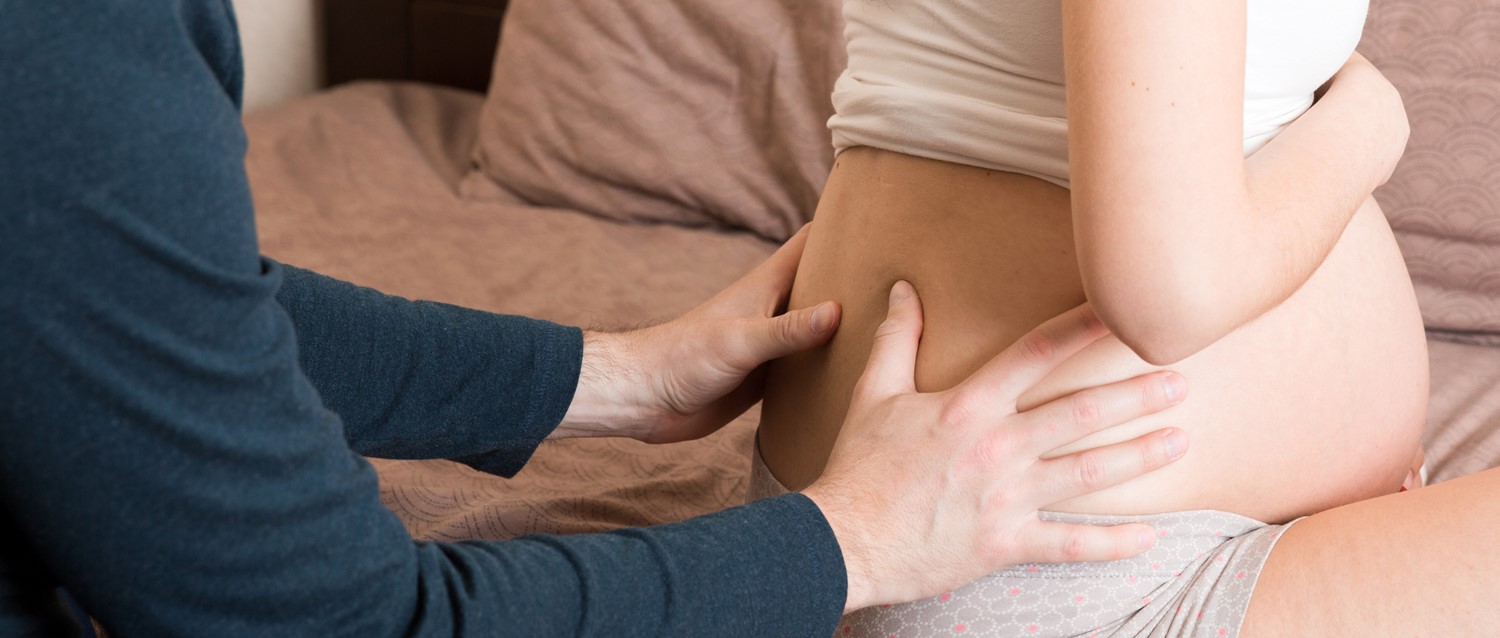
Todas las personas experimentan el embarazo y el parto de manera diferente, pero es común sentirse ansiosa o asustada por el trabajo de parto. A menudo, solo encontramos el trabajo de parto y el nacimiento en la televisión, donde se representa de manera poco realista como algo dramático, doloroso y muy medicalizado. No es sorprendente que esto pueda llevar a muchas personas embarazadas a temer el proceso y cuestionarse si podrán afrontarlo. Entonces, ¿cómo pueden las mujeres sentirse más seguras respecto al parto?
por Lydia Smith
Embarazo
Cómo ser un compañero de parto solidario durante el nacimiento
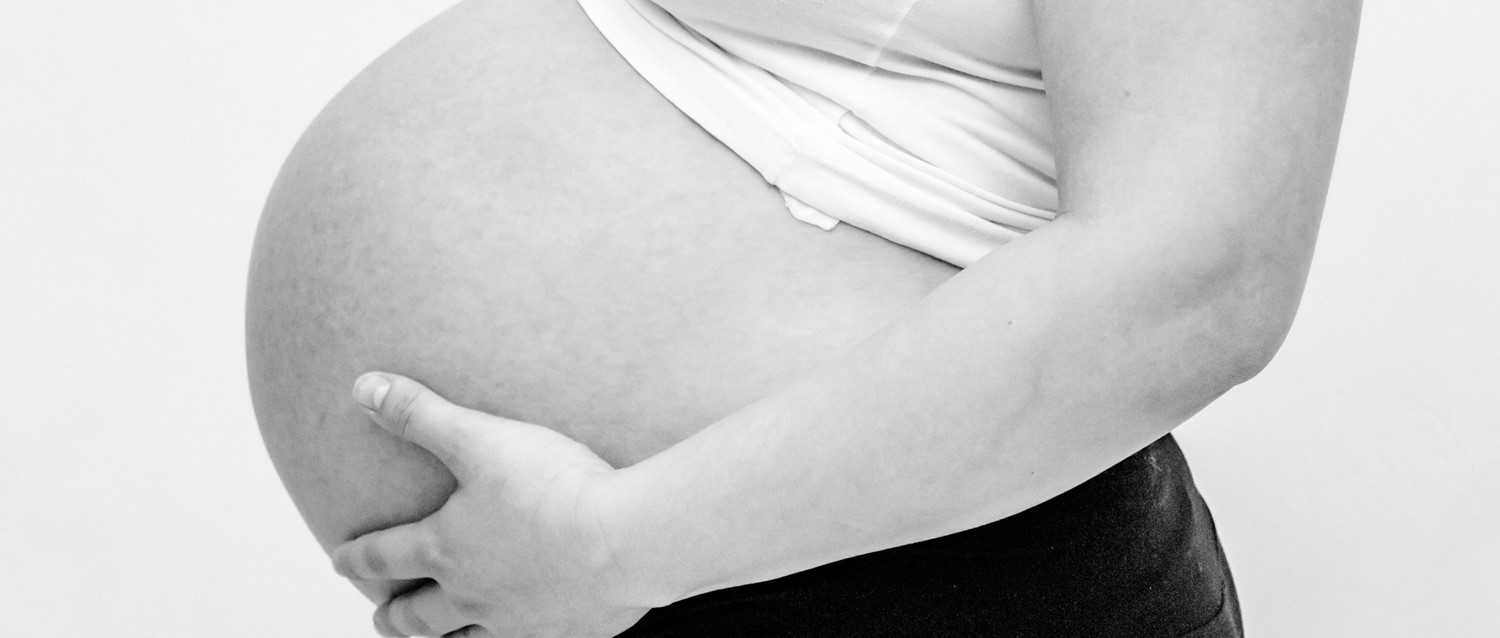
Ya sea tu pareja, amiga o hija a punto de dar a luz, que te pidan ser acompañante de parto es un honor. Sin embargo, brindar apoyo práctico y emocional durante el parto también puede ser un papel desafiante.
por Lydia Smith
Continúa leyendo abajo
Historial del artículo
La información en esta página es revisada por pares por clínicos calificados.
11 Abr 2023 | Publicado originalmente
Escrito por:
Lydia SmithRevisado por pares por
Dr Krishna Vakharia, MRCGP

Pregunta, comparte, conecta.
Navega por discusiones, haz preguntas y comparte experiencias en cientos de temas de salud.

¿Te sientes mal?
Evalúa tus síntomas en línea de forma gratuita
Suscríbete al boletín de Patient
Tu dosis semanal de consejos de salud claros y confiables, escritos para ayudarte a sentirte informado, seguro y en control.
Al suscribirte aceptas nuestros Política de Privacidad. Puedes darte de baja en cualquier momento. Nunca vendemos tus datos.