
Quiz: Do I have postnatal depression?
Peer reviewed by Dr Colin Tidy, MRCGPLast updated by Lawrence HigginsLast updated 10 Jun 2025
- DescargarDescargar
- Compartir
Having a baby can be a joyful experience. But the combination of hormones, sleep deprivation, and emotional upheaval that comes with bringing new life into the world can take its toll on new mothers. It's no wonder that many women find themselves feeling down. But what's the difference between feeling down and having postnatal depression?
En este artículo:
Patient no almacena ninguno de sus datos personales o médicos asociados a sus respuestas al cuestionario. Todas las respuestas son completamente anónimas.
Can't see the quiz? Click here to take it now.
Seguir leyendo
Who is this quiz for?
This quiz is for women who have given birth within the last year who suspect they may have postnatal depression (PND). If you are feeling low, anxious, or feel you are not bonding with your baby, it's worth checking whether you have developed this common, treatable condition.
Patient picks for Mental health in pregnancy
Embarazo
How stopping breastfeeding can impact your mental health
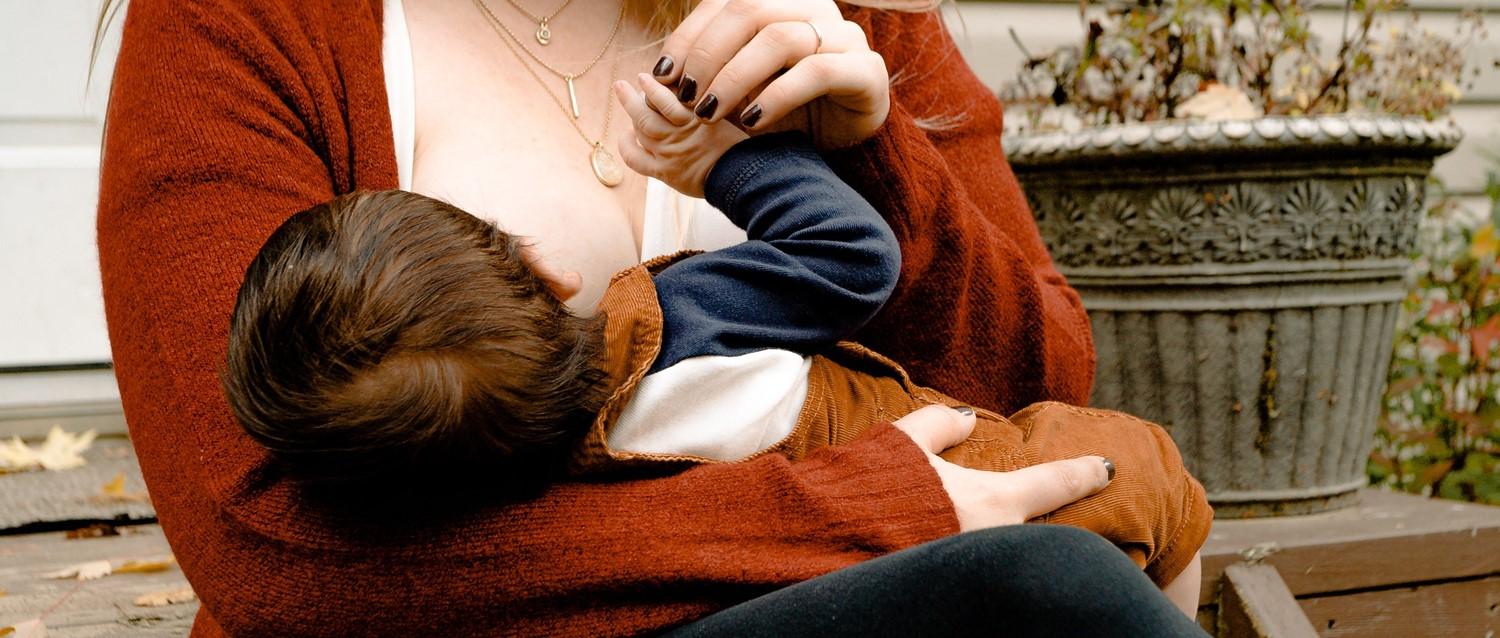
It's common for new parents to struggle with their mental health. New parenthood comes with a whole host of challenges, from sleep deprivation and disrupted hormones to lifestyle changes and navigating feeding - all of which can play havoc with your well-being. However, stopping breastfeeding and weaning can lead to some difficult emotions too.
por Lydia Smith

Embarazo
Psicosis posparto
Postpartum psychosis (puerperal psychosis or postnatal psychosis) is a serious mental illness which occurs in the days or weeks following childbirth.
por la Dra. Mary Harding, MRCGP
How common is postnatal depression?
As a new mother, it can be easy to feel guilty about feeling low, however, PND happens to around 1 in 10 women.
There are many reasons that you may have PND. You may have already had mental health issues which giving birth triggered or made worse. It can be connected to feeling unsupported, alone, and overwhelmed by the experience of motherhood, or from other life problems already present, like money issues or relationship conflict. But sometimes it happens when there are no obvious issues at all. PND might also be connected to the changes in certain hormones that happens after birth.
Seguir leyendo
How does the quiz work?
The questions in this quiz have been designed to see whether you are having some of the main symptoms of PND. Each time you select an answer, you will also be given information about your individual symptoms and their significance. At the end of the quiz, we will show you the likelihood of you having PND, based on your answers.
The result of this quiz should give you an indication as to whether you're having depressive symptoms - but no online quiz can diagnose a mental health problem. If you are feeling low - even if you do not score highly on this quiz - it's important that you speak with your doctor, midwife, or a friend or family member.
Historia del artículo
La información de esta página ha sido revisada por médicos cualificados.
Next review due: 14 Jun 2028
10 Jun 2025 | Última versión
9 Jul 2018 | Originally published
Autores:
Gillian Harvey

Pregunte, comparta, conecte.
Explore debates, formule preguntas y comparta experiencias sobre cientos de temas de salud.
¿Se encuentra mal?
Evalúe sus síntomas en línea de forma gratuita