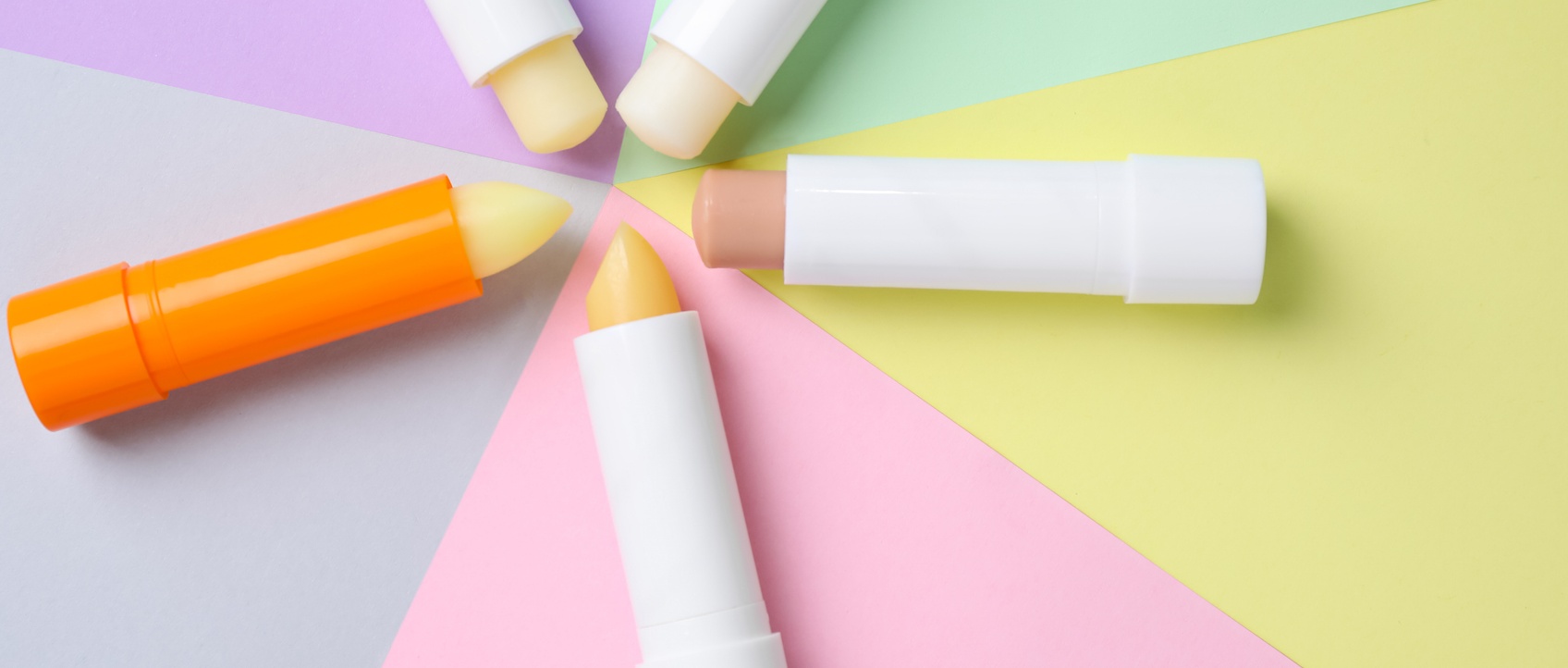
Cómo cuidar los labios agrietados este invierno
Revisado por pares por Dr Colin Tidy, MRCGPÚltima actualización por Victoria RawÚltima actualización 16 Oct 2025
Cumple con las directrices editoriales
- DescargarDescargar
- Compartir
- Language
- Discusión
- Versión en audio
- Agregar a fuentes preferidas en Google
Los meses de invierno pueden causar estragos en nuestros labios, dejándolos secos, escamosos y doloridos. Entonces, ¿por qué esta época del año provoca labios agrietados, y hay algo que podamos hacer para prevenirlos?
Why do we get chapped lips?
The skin on our lips has three to five cellular layers, compared to typical facial skin, which has up to 16 layers. The lips also lack the oil glands found in other parts of the skin. Therefore, as the weather gets colder and there is less humidity, the outdoor air combined with the indoor central heating can dehydrate our skin and cause lips to crack, peel and bleed - a condition known as cheilitis simplex.
Dermatologist Dr Anton Alexandroff explains: "Cold and windy clima can have negative effects on our skin. The winter weather can strip it of moisture, causing the skin to become dry, chapped and prone to flaking.
"Our lips are particularly vulnerable to this, as they are so often exposed to the elements. The skin is also thinner here, than on other parts of our body."
What else can cause chapped lips in winter?
The weather isn't always the cause of sore lips, however. Daniel Glass, Consultant Dermatologist, The Dermatology Clinic, London says that chapped lips can be caused by a number of factors - such as eccema o contact allergic dermatitis.
"Sometimes infections such as candida or staphylococcus can cause inflammation of the corner of the lips - as can hierro o vitamin B deficiency," he explains. "The initial infection with the herpes or cold sore virus can result in eroded, scaly skin on the lips."
Enfermedad celíaca can also lead to inflammation of the corners of the mouth, which can be mistaken for chapping. Certain drugs can cause dry chapped lips - most commonly retinoids, such as isotretinoin used in acne treatment. If you already struggle with dry lips, cold and wintry weather can make the issue worse.
How to treat chapped lips
Dr Alexandroff says you should moisturise your lips regularly, reapplying throughout the day and before bed.
He adds: "It's also important to make sure that you stay hydrated by drinking plenty of water."
Dry lips can also be helped by gentle exfoliation to ensure you are removing any dry flaky skin from the surface of your lips. Although this won't address the problem, it may help to reduce the scale sitting on the surface of the lips.
Small lifestyle changes may also reduce your chance of developing chapped lips:
Wash your hands before applying lip balm.
Resist the urge to pick or bite any flaky skin - doing so can slow down the healing process.
Avoid licking dry or cracked lips - this can make them more sore.
Bear in mind that some foods may irritate sore lips - such as spicy meals.
Wear a scarf over your mouth to protect the delicate skin on your lips - if going out into the wind and cold.
If you forget your balm while out with friends, don't share theirs - as tempting as it might be, this can spread germs.
Check the ingredients in your lip balm
Although many of us tend to have a range of different lip balms stashed away in our coat pockets, bags, and bedside tables, it's important to make sure you are using the right balm to avoid making your lips more sore.
Dr Daron Seukeran, Group Medical Director for the skincare clinic group sk:n explains: "There can be ingredients in some lip balms that may cause eczematous dermatitis which can affect the lips and the skin surrounding the lips."
Some lip balms contain ingredients that can potentially cause an allergic reaction.
Estas incluyen:
Propolis.
Lanolin.
Coconut oil.
Almond oil.
Peppermint oil.
Vitamin E.
These ingredients can also make the lips drier:
Menthol phenol.
Ácido salicílico.
To combat dry lips, look out for ingredients to help lock in moisture:
Occlusive.
Emollient.
Humectant.
"The best advice is to keep it simple," says Seukeran. "Many people like using a nice smelling or tasting lip balm, but it is best to use a non-fragranced lip balm as a moisturiser which also contains a sun protection ingredient."
Professor Vishal Madan, Clinical Director, Everything Skin Clinic, UK says bland emollients such as Vaseline can be good, as the likelihood of allergies with these are rare. He also advises looking out for hypoallergenic balms.
"The most important thing when purchasing a lip balm is to make sure that it works for you," he says. "If your lips burn, sting, or feel uncomfortable when you apply a product to your lips, it is irritating your lips. If this is the case, you should stop using this product and try another one."
When to visit your doctor or pharmacist for chapped lips
You should seek medical help if your lips are hot, painful, red and swollen - as it could be a sign of infection. If the chapping is very severe or doesn't heal, it may be a sign of another issue, so it's worth having it checked by a doctor or skin specialist.
If you have a small, fluid-filled blister on your lip or around your mouth, you may have a cold sore. Cold sores should start to heal within 10 days, but are contagious and may be irritating or painful while they heal. Antiviral creams and patches are available from your pharmacist.
Selecciones del paciente para Oral health

Tratamiento y medicación
¿Son buenos los ejercicios faciales para el sueño, el habla y la salud bucal?
La terapia miofuncional es como un entrenamiento para tu cara y boca. Se dice que puede ayudar a aliviar condiciones como la apnea del sueño, dificultades para tragar y desalineación de la mandíbula. Examinamos en qué consiste esta terapia y escuchamos algunas opiniones de expertos sobre si funciona o no.
por Victoria Raw
Cuidado oral y dental
Lo que tus dientes dicen sobre tu salud
Most of us know the importance of looking after our teeth. Twice daily brushing, flossing, and good dental hygiene can help to keep our smile fresh, with little need for expensive dental work. But did you know that tooth issues can also indicate issues in the rest of the body?
por Lynn Stephen
Sobre el autorVer biografía completa

Lydia Smith
Escritora de artículos
BA, MA, MSc
Lydia Smith es una periodista galardonada y escritora de reportajes que ha escrito extensamente sobre la salud de las mujeres y la salud mental. Actualmente está estudiando una maestría en psicología.
Acerca del revisorVer biografía completa

Dr Colin Tidy, MRCGP
Médico General, Autor Médico
MBBS, MRCGP, MRCP (Paediatrics), DCH
El Dr. Colin Tidy es un médico del NHS, con sede en Oxfordshire.
Historial del artículo
La información en esta página es revisada por pares por clínicos calificados.
Artículo también disponible en Inglés, Alemán, Español, Francés, Italiano, Portugués, Hindi, Hebreo, Árabe, y Sueco.
Próxima revisión: 15 de octubre de 2028
16 Oct 2025 | Última versión
18 Dic 2023 | Publicado originalmente
Escrito por:
Lydia Smith

Pregunta, comparte, conecta.
Navega por discusiones, haz preguntas y comparte experiencias en cientos de temas de salud.

¿Te sientes mal?
Evalúa tus síntomas en línea de forma gratuita
Suscríbete al boletín de Patient
Tu dosis semanal de consejos de salud claros y confiables, escritos para ayudarte a sentirte informado, seguro y en control.
Al suscribirte aceptas nuestros Política de Privacidad. Puedes darte de baja en cualquier momento. Nunca vendemos tus datos.
Más en cuidado oral y dental
- ¿El clima frío puede provocar herpes labial?
- Desigualdad dental: ¿qué es y por qué existe?
- Cómo cepillar y cuidar los dientes de tu hijo
- Cómo lidiar con los dientes sensibles
- Cómo superar el miedo al dentista
- Cómo proteger los dientes de tu hijo
- Cómo detectar los signos de un diente muerto
- Cómo tus dientes pueden afectar tu autoestima
- Actualizado¿Es efectivo el uso de hilo dental con agua?
- ¿Te está enfermando tu boca? Cómo la enfermedad de las encías afecta más que solo tus dientes
- Los científicos pueden haber encontrado una manera de regenerar el esmalte dental
- ¿Deberías limpiar tu lengua todos los días?
- Los mejores bocadillos para dientes saludables
- La guía definitiva para usar hilo dental
- Cosas que quizás no sepas sobre la displasia cleidocraneal
- Señales de advertencia de que necesitas ir al dentista
- ¿Qué causa picazón en el paladar?
- ¿Qué causa las aftas bucales y cómo tratarlas?
- ¿Qué es una sonrisa de prosecco? consejos para proteger tus dientes esta Navidad
- What’s causing your morning breath?