Should you clean your tongue every day?
Peer reviewed by Dr Sarah JarvisAuthored by Georgia GallantOriginally published 3 May 2019
Meets Patient’s editorial guidelines
- DownloadDownload
- Share
- Language
- Discussion
- Audio Version
- Add to preferred sources on Google
We all know the importance of maintaining a daily oral hygiene routine. At the very least, you'll use toothpaste every day and possibly mouthwash. Although many people won't keep up with flossing, despite dentist recommendation, even fewer people think about scraping their tongue. Could you be missing an important step in your dental care?
What's your tongue trying to tell you?
Mr Luke Cascarini and Mr Alastair Fry, consultant oral and maxillofacial head and neck surgeons at London Bridge Hospital, point out that our tongues can gives us some clues about our health.
"Probably not as much as some people like to believe, but deficiencies in iron, B12, folate and ferritin can present with sore tongues which sometimes looks 'beefy'," reveals Cascarini.
Deficiencies aren't the only cause of tongue trouble. Sometimes eating more of a certain food can also have an adverse effect.
"People who eat very soft food get overgrowth of the tiny papillae which coat the tongue (healthy 'roughage' rubs them off which is the natural process). The unhealthily long papillae trap food and debris and become foul tasting and smelly," he says.
Some conditions will cause more obvious signs that there is something wrong.
"Common conditions such as geographic tongue can also make the tongue sore," Cascarini notes, along with rashes like lichen planus and oral thrush that cause white patches on the tongue.
If you have an ulcer that isn't healing, either on top or underneath your tongue, this could be a sign of cancer - although it's important to remember this is not always the case. Additional symptoms include unusual red or white patches in the mouth that may change shape.
"Tongue cancer is one of the few cancers which is becoming more common and is affecting young people and non-smokers," Cascarini advises (although smokers are still at much higher risk). So it's important to raise any prolonged symptoms with your doctor.
Keeping it clean
Underlying conditions aside, just how important is it to clean your tongue as part of your daily routine? According to dentist Dr Richard Marques, it's just as important as cleaning any other part of your mouth.
"Your tongue is like a sponge where bacteria and food particles get trapped and build up throughout the day and whilst you sleep," he explains.
"Leaving them there to multiply can lead to all sorts of unpleasant results, ranging from bad breath and a furry tongue, all the way to tooth decay and gum disease when the bacteria spread to other parts of your mouth."
Fry notes that your diet also plays a large part in tongue hygiene.
"If you eat a lot of 'roughage', such as raw vegetables, your tongue will be naturally clean. However, most of us don't - so tongue cleaning as part of your twice daily oral health regimen is a good idea," he suggests.
"If you eat soft food and the papillae become very long then the trapped debris and bacteria can be very smelly indeed; this is one of the common causes of halitosis."
Regular flossing works to combat trapped food. Conversely, not eating enough food is another cause of bad breath and is common with crash diets and eating disorders.
Marques suggests that skipping cleaning your tongue is actually a leading cause of bad breath due to build-up of bacteria and food debris.
"They are particularly potent at the back of the tongue - so be thorough!" he adds.
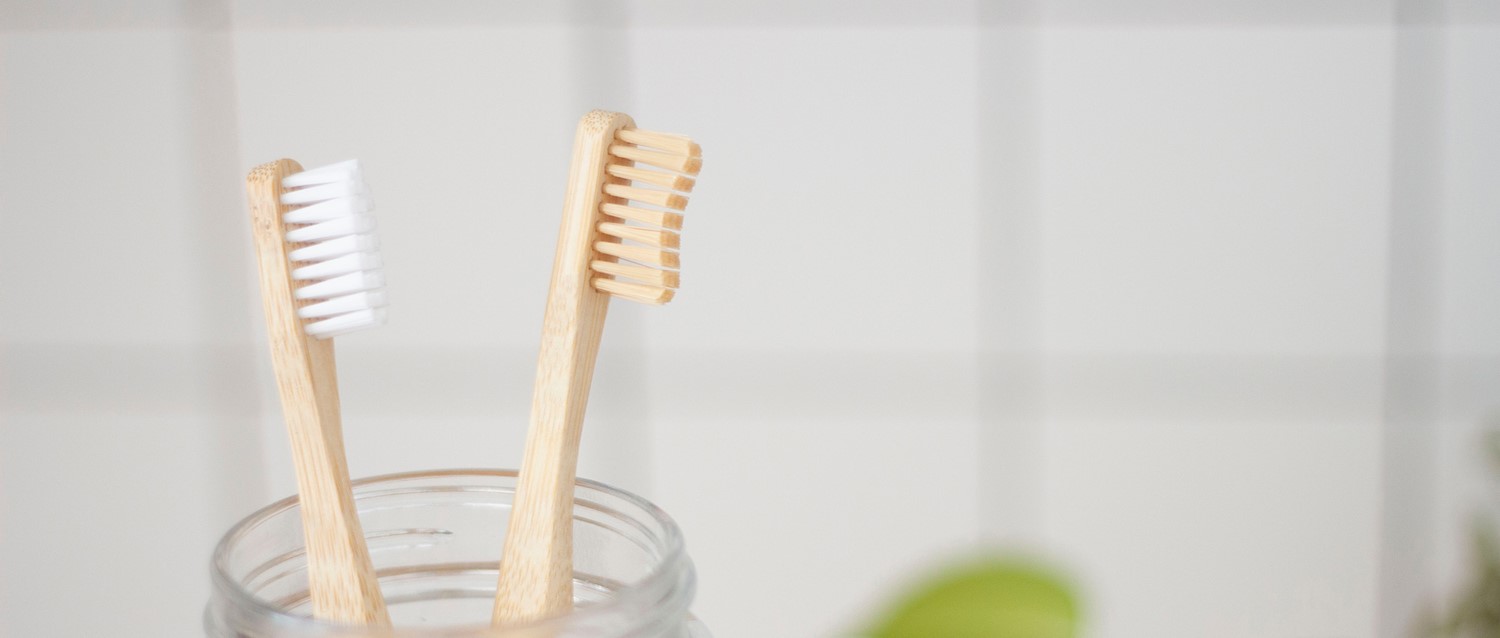
The best way to naturally clean your tongue is to eat a healthy balanced diet and brush twice a day with a good toothbrush.
"Special tongue cleaners are available but are not really any better than a toothbrush," says Fry.
Marques advises that you: "Gently brush your tongue twice a day with your toothbrush once you have finished cleaning your teeth. Use a little toothpaste and apply gentle pressure before rinsing with water."
"If you feel you need to be more thorough (perhaps you've eaten sticky foods or consumed red wine) you can use a tongue scraper," he adds.
"Just be really careful not to apply too much pressure, and stop if it becomes uncomfortable or bleeding occurs."
Always be careful not to poke the back of your throat and gently scrape forwards to clear the tongue of any coating.
Patient picks for Oral health

Oral and dental care
How long will a mouth ulcer take to heal?
There's nothing more annoying than biting into a well-earned snack but having your enjoyment marred by the sting of a mouth ulcer. These tiny sores can be irritating and painful, and seem to take an age to clear up. But what causes mouth ulcers, how can we prevent them, and when should we worry?
by Gillian Harvey

Oral and dental care
How to spot the signs of mouth cancer
Mouth cancer can develop in different parts of your mouth, including the lips, tongue, gums, cheeks, and roof of the mouth. While it is not common, spotting the signs early can make treatment more successful.
by Josh Alderman
About the authorView full bio
Authored by

Georgia Gallant
BA (Hons), MA
Georgia graduated from Bournemouth University with a BA (Hons) in Scriptwriting for Film and Television and an MA in Literary Media.
About the reviewerView full bio

Dr Sarah Jarvis
Clinical Consultant
MA (Cantab), BM, BCh (Oxon), DRCOG, FRCGP, MBE
After training in medicine at Cambridge and Oxford, Dr Sarah Jarvis MBE became a GP.
Article history
Article also available in English, German, Spanish, French, Italian, Portuguese, Hindi, Hebrew, Arabic, and Swedish.
3 May 2019 | Originally published
Authored by:
Georgia GallantPeer reviewed by
Dr Sarah Jarvis
Join the conversation
Share your thoughts or experiences with others in our patient communities.

Ask, share, connect.
Browse discussions, ask questions, and share experiences across hundreds of health topics.

Feeling unwell?
Assess your symptoms online for free
Sign up to the Patient newsletter
Your weekly dose of clear, trustworthy health advice - written to help you feel informed, confident and in control.
By subscribing you accept our Privacy Policy. You can unsubscribe at any time. We never sell your data.