What is the anti-inflammatory diet?
Revisado por pares por Dr Krishna Vakharia, MRCGPÚltima actualización por Victoria RawLast updated 8 Apr 2025
Cumple con las directrices editoriales
- DescargarDescargar
- Compartir
- Language
- Discusión
- Versión en audio
- Add to preferred sources on Google
Se cree que las dietas occidentales típicas aumentan la inflamación, donde tu sistema inmunológico reacciona y causa hinchazón interna en todo tu cuerpo. Dado que la inflamación a largo plazo puede volverse perjudicial, se piensa que las dietas antiinflamatorias nos protegen de una amplia gama de problemas de salud.
En este artículo:
Video picks for Dieta
Continúa leyendo abajo
What is the anti-inflammatory diet?
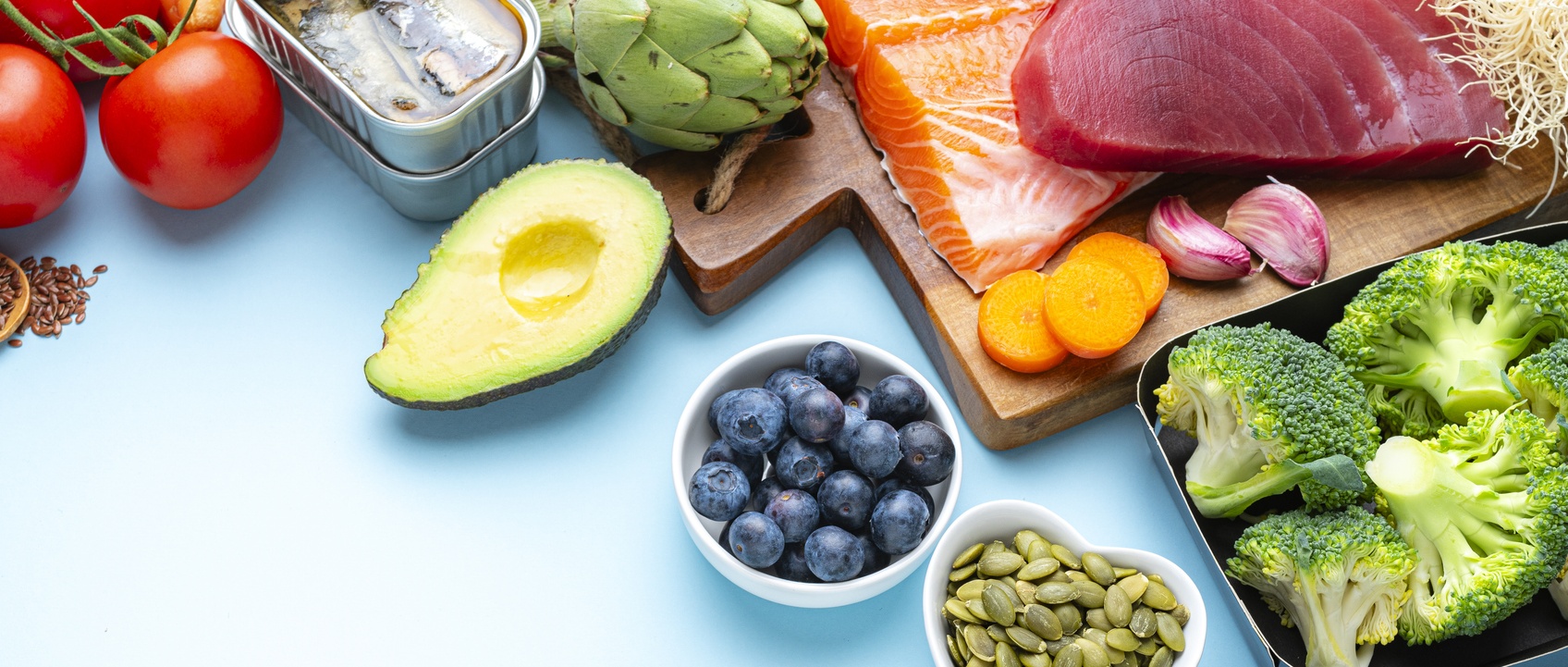
An anti-inflammatory diet, used as a remedy to fight inflammation in the body, has no strict plan for calories, portion sizes, or even recipes to follow. It's more of a general emphasis on eating a variety of anti-inflammatory foods, found in fruits, vegetables, unrefined whole grains, oily fish, unsaturated fats, spices, tea, coffee, and dark chocolate.
It also involves limiting other foods that promote inflammation, including fried foods, sugary treats and drinks, saturated fats, and excessive amounts of alcohol.
Inflammation has become somewhat of a bad word in the world of health, but in truth it's a healthy immune system response we all need at certain times. For example, it's inflammation that causes us to sneeze or cough allergens and viruses out the body when we're unwell. It also causes pain and swelling where we've been injured, telling us to be gentle with this area.
Yet, this helpful level of inflammation should subside when you heal. When it doesn't, the blood rushing and swelling inside your body starts to damage cells and cause problems.
This long-term inflammation (metaflammation) can lead to serious conditions.
Estas incluyen:
Most likely to have harmful inflammation
Inflammation can be symptomless until it causes problems, so people who follow an anti-inflammatory diet tend to do so as a precaution and part of a healthy lifestyle. You do have a higher chance of harmful inflammation if you:
Follow a Western diet - this generally refers to diets that contain ultra-processed, high-fat, and sugary foods. It also encompasses other health issues linked to many Western countries like the UK, such as long-term estrés and exposure to air pollution, both of which damage cells.
Have an autoimmune disorder - an immune system that doesn't function properly can cause long-term inflammation, as seen in diabetes tipo 1, lupus, y artritis reumatoide.
Diets that showcase anti-inflammatory foods
The anti-inflammatory diet is more of a guide than a meal plan, but if you prefer more structure and rules there are several popular diets that rely on many anti-inflammatory foods. This includes the heart-healthy DASH diet, the long-life promoting dieta mediterránea, and the Dieta MIND, which combines these other diets to support brain health.
Why are anti-inflammatory foods good for us?
Volver al contenidoAnti-inflammatory foods contain natural compounds that fight inflammation. Molecules called antioxidants, plant chemicals like flavonoids, and fibre can protect you against free radicals. These are unstable atoms caused by inflammation that crash into and damage cells, accelerating ageing and causing illness.
These compounds can also help stop your immune system from signalling inflammation to start, as well as prevent rises in blood sugar.
Emerging evidence also suggests that these compounds may help prevent a condition called metabolic endotoxemia, a type of long-term inflammation. They do this by supporting the growth of various beneficial bacteria in your gut.
Continúa leyendo abajo
Best anti-inflammatory foods
Volver al contenidoTo follow an anti-inflammatory diet, you should try to eat a variety of anti-inflammatory foods, rather than focussing on one or two specific foods. This gives you a wider range of protective compounds, some of which work best together.
Ejemplos incluyen:
Frutas - such as blueberries, strawberries, cherries, and oranges.
Leafy green vegetables - such as kale, spinach, and collards.
Other vegetables - such as avocado, carrots, and tomatoes.
Nuts - such as almonds, walnuts, and cashews.
Pescado graso - such as salmon, tuna, and sardines.
Legumbres - such as beans, chickpeas, and lentils.
High-fibre whole grains - such as brown rice, bulgur, and whole grain bread.
Aceite de oliva - a healthy unsaturated fat alternative to butter and other cooking oils.
Dark chocolate - made of at least 70% cocoa solids.
Green tea - including matcha tea.
Foods that cause inflammation
Volver al contenidoThe typical Western diet includes processed meats, fast foods, food additives, and refined sugar, and is often lacking in fibre, vitamins, and minerals. This can lead to weight gain and affect our metabolism in a way that damages the immune system, causing inflammation.
Excess fat tissue can send signals to immune cells to produce inflammation. Eating saturated fats also raises cholesterol, which increases cell damage by free radicals.
Ejemplos incluyen:
Processed carbs - such as white bread, pastries, and biscuits.
Fried foods - such as chips, battered foods, and doughnuts.
Processed red meats - such as burgers, sausages, and bacon.
Saturated fats - such as margarine, butter, and cream.
Sugary drinks - such as juice, fizzy drinks, and sweet cocktails.
Excessive alcohol - such as beer and spirits.
Patient picks for Dieta
Dieta y nutrición
Why you don't need to detox
Las dietas y limpiezas detox, que a menudo cuentan con el respaldo de celebridades, prometen una pérdida de peso significativa en poco tiempo. Pero, ¿es esta solución rápida mejor que ir al gimnasio y esforzarse con trabajo duro?
por Victoria Raw

Dieta y nutrición
La dieta Reducetaria: cómo comer menos carne
Si estás considerando reducir el consumo de carne, ya sea por motivos de salud, ambientales o éticos, el enfoque reducetario es una buena manera de comenzar. Fomenta reducciones graduales y sostenibles en el consumo de productos animales, permitiéndote hacer cambios significativos a tu propio ritmo. Hablamos con la medallista olímpica de ciclismo y ex récord mundial, fundadora de Switch4Good, Dotsie Bausch, sobre su experiencia personal con comer menos carne y sus consejos prácticos para reducir tu ingesta.
por Victoria Raw
Continúa leyendo abajo
About the author

Amberley Davis
Escritora senior
BA (Hons), CPD
Amberley es una escritora senior en Patient y ha escrito extensamente sobre una variedad de temas de salud y bienestar.
About the reviewerView full bio

Dr Krishna Vakharia, MRCGP
Chief Medical Officer for Health, Optum UK
MBChB, MRCGP(2013), BMedSci (hons), DFSRH, DRCOG, PGDipDerm (Distn)
La Dra. Krishna Vakharia es una médica general del NHS. También es examinadora habitual del Diploma de Posgrado en Dermatología Práctica en la Universidad de Cardiff, además de ser la Directora Médica de salud en Optum UK.
Historial del artículo
La información en esta página es revisada por pares por clínicos calificados.
Siguiente revisión prevista: 10 de abril de 2028
8 Apr 2025 | Última versión
2 Nov 2023 | Publicado originalmente
Escrito por:
Amberley Davis

Pregunta, comparte, conecta.
Navega por discusiones, haz preguntas y comparte experiencias en cientos de temas de salud.

¿Te sientes mal?
Evalúa tus síntomas en línea de forma gratuita
Suscríbete al boletín de Patient
Tu dosis semanal de consejos de salud claros y confiables, escritos para ayudarte a sentirte informado, seguro y en control.
By subscribing you accept our Política de Privacidad. Puedes darte de baja en cualquier momento. Nunca vendemos tus datos.