
Do beta blockers help with anxiety symptoms?
Peer reviewed by Dr Krishna Vakharia, MRCGPAuthored by Lydia SmithOriginally published 1 Aug 2023
Meets Patient’s editorial guidelines
- DownloadDownload
- Share
- Language
- Discussion
- Audio Version
- Add to preferred sources on Google
Whether you had sweaty palms before an exam or a racing heart before a driving test, we’ve all experienced the symptoms of anxiety from time to time. These physical reactions can be hard to cope with - especially if you need to perform under pressure - but medication called beta blockers can help provide some relief.

What are beta blockers?
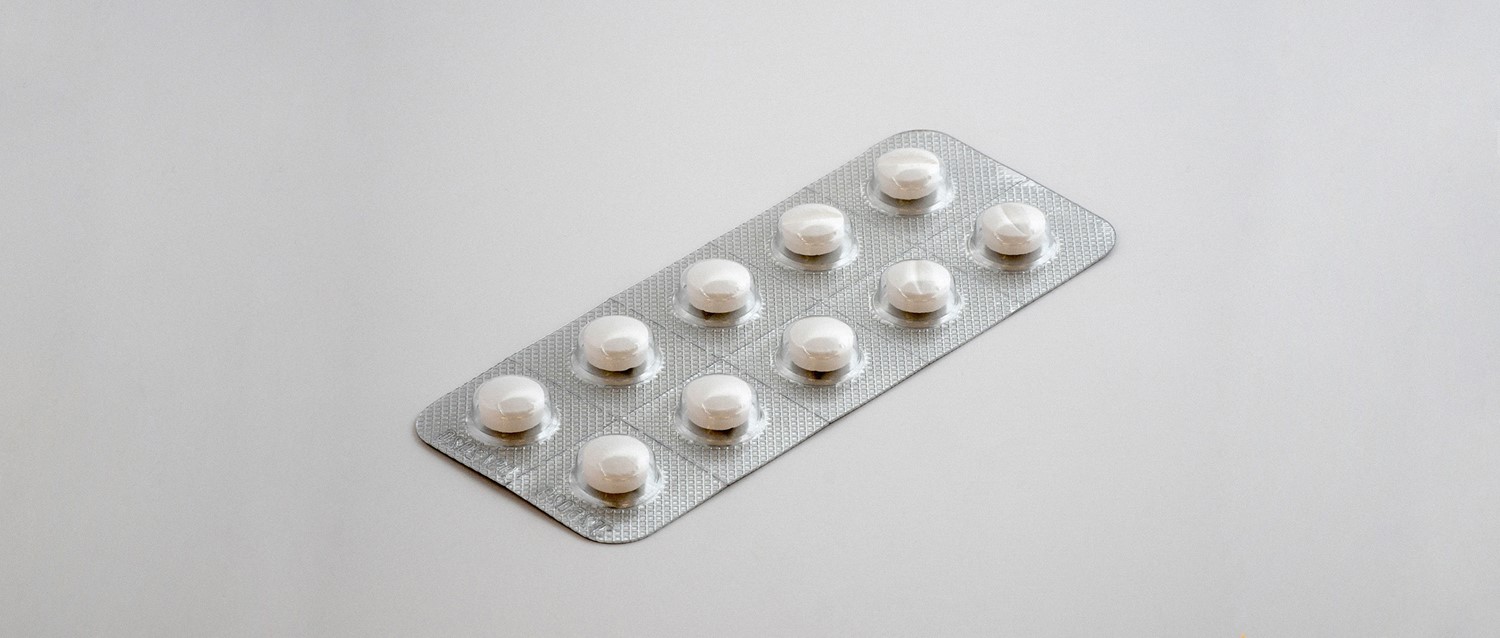
Beta blockers help to reduce the physical symptoms of anxiety, including sweating, shaking and a racing heart, by blocking the effects of the stress hormones noradrenaline and adrenaline. Although the medicine can make these symptoms more manageable, it doesn’t treat the feeling of anxiety itself.
When you’re feeling anxious, your body releases these hormones as part of our ‘fight or flight response’ - the body’s stress response - which happens when we encounter something we think is a threat. These chemicals help our body to deal with the threat and cause an increased heart rate, blood pressure and breathing rate.
This response is a normal, biological mechanism that helps to keep us alive. It allows us to react more quickly in a dangerous situation, for example, if we spot a car coming towards us and we need to jump out of the way.
While the fight or flight response can be helpful, it isn’t always accurate. Sometimes, stressful but non-threatening situations can also trigger this response, such as sitting an exam.
However, when our bodies are flooded with stress hormones like noradrenaline, the part of our brain that helps us process information and make decisions - the prefrontal cortex - is blocked. This means that we’re less able to think clearly, which isn’t helpful if you’re taking a test. Beta blockers can help to calm down the body’s physical stress response.
Who might be prescribed beta blockers?
Beta blockers are a prescription-only medicine, which means you can only take them if prescribed them by your doctor.
Dr Krishna Vakharia, a GP and clinical director of Patient.info, says: “You may be prescribed beta blockers if you have a specific event you are worried about. They are usually prescribed to provide short-term relief from anxiety symptoms.”
Beta blockers may be prescribed if your symptoms don’t meet all the criteria for an anxiety disorder. For example, if you only experience anxiety during exams.
But if you feel worried nearly every day and feel anxious about all sorts of things, you may be diagnosed with as anxiety disorder such as Generalised Anxiety Disorder - in which case your doctor may suggest a different type of medicine or therapy.
“Some people do take beta blockers long-term, but in general they are given for short periods of time. If needed long-term, we would explore whether the person needs another more anxiety-specific medication such as an SSRI (selective serotonin reuptake inhibitor).”
Are beta blockers safe to take?
Beta blockers are not suitable for everyone. You should tell your doctor if you have heart failure, low blood pressure, a slow heartbeat, a condition that affects the rhythm of your heart, lung disease, metabolic acidosis - when the blood is too acidic - or asthma. You should also say if you’re pregnant, breastfeeding or are trying to get pregnant.
Beta blockers can also react with other medicines, including medicines for high blood pressure or diabetes, such as insulin.
What are the side effects of beta blockers?
“The most common side effects include a slow heartbeat, dizziness and feeling light-headed. They can also cause nightmares,” says Vakharia. You may also feel tired, sick or have cold fingers or toes, as beta blockers can affect the blood supply to your hands and feet.
Serious side effects are rare, but include: Shortness of breath, a tight chest, a cough that gets worse when you exercise, swollen ankles or legs, or an irregular heartbeat, which can be signs of heart or lung problems. A yellow tinge to your skin or eyes may indicate a liver problem.
If you’re struggling with anxiety, you should speak to your GP to find out the best course of action for you. Although beta blockers may help you cope with the symptoms in the short-term, it may be better to try alternative, longer-term treatments such as talk therapy.
Patient picks for Medicine information
Treatment and medication
Where to get medication in an emergency
According to one survey, a shocking 1 in 10 people visit A&E to get medicine if they run out. We all live busy lives, but emergency services are under huge strain and too many visits of this sort can cause serious delays to treatment for people who are seriously unwell. If you're taking repeat medication, you'll know when you collect your prescription exactly when you're going to run out. So how can you avoid adding to the strain on overstretched A&E services?
by Dr Sarah Jarvis

Treatment and medication
What factors are causing antimicrobial resistance?
Following a recent study by health economists at the University of Manchester and the University of Southern Denmark, the tremendous pressure GPs are currently working under has been linked to increasing broad-spectrum antibiotic prescribing in England. Because excess antibiotic prescribing has been closely linked to antibiotic resistance, there are concerns that these higher prescribing levels may be contributing to antimicrobial resistance.
by Emily Jane Bashforth
About the authorView full bio

Lydia Smith
Feature writer
BA, MA, MSc
Lydia Smith is an award-winning journalist and feature writer who has written extensively on women's health and mental health. She is currently studying for an MSc in psychology.
About the reviewerView full bio

Dr Krishna Vakharia, MRCGP
Chief Medical Officer for Health, Optum UK
MBChB, MRCGP(2013), BMedSci (hons), DFSRH, DRCOG, PGDipDerm (Distn)
Dr Krishna Vakharia is an NHS GP. She is also a regular examiner for the postgraduate Diploma in Practical Dermatology at Cardiff University as well as being the Chief Medical Officer for health at Optum UK.
Article history
The information on this page is peer reviewed by qualified clinicians.
Article also available in English, German, Spanish, French, Italian, Portuguese, Hindi, Hebrew, Arabic, and Swedish.
1 Aug 2023 | Originally published
Authored by:
Lydia SmithPeer reviewed by
Dr Krishna Vakharia, MRCGP
Join the conversation
Share your thoughts or experiences with others in our patient communities.

Ask, share, connect.
Browse discussions, ask questions, and share experiences across hundreds of health topics.

Feeling unwell?
Assess your symptoms online for free
Sign up to the Patient newsletter
Your weekly dose of clear, trustworthy health advice - written to help you feel informed, confident and in control.
By subscribing you accept our Privacy Policy. You can unsubscribe at any time. We never sell your data.
More in treatment and medication
- Art therapy: creative ways to boost your mental health
- Can antidepressants cause vivid dreams?
- Can you have therapy if you don't have a mental health problem?
- Do mental health apps really work?
- Does hypnotherapy work for anxiety?
- Earache relief: medicine and remedies
- Having sex after a vasectomy
- How to prevent muscle loss on Mounjaro
- How to stop taking Mounjaro or switch to an alternative
- Is ASMR the secret to sensory bliss?
- One in four adults prescribed addictive medications
- Orlistat healthy eating guide
- Should you worry about painkiller addiction?
- What is #MedSafetyWeek and MHRA Yellow Card scheme?
- What is red light therapy? Benefits and risks
- What is transactional analysis therapy?
- What to expect when your child starts talking therapy
- What you need to know about stopping medication
- Why is therapy so exhausting?
- Why wasn't I prescribed antibiotics?