Baja presión arterial
Revisado por pares por Dr Krishna Vakharia, MRCGPEscrito por Dra. Rachel Hudson, MRCGPPublicado originalmente 28 Mar 2023
Cumple con las directrices editoriales
- DescargarDescargar
- Compartir
- Language
- Discusión
- Versión en audio
Low blood pressure (also called hypotension) is quite common and isn't usually a problem. However, it can cause symptoms in some people or some situations.
Postural or orthostatic hypotension is low blood pressure on standing up from lying or sitting and is more common in teenagers and older people. edit
Patrocinado
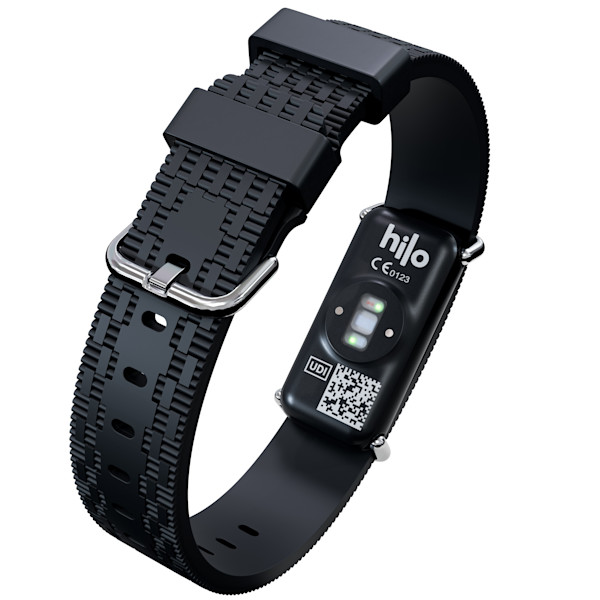
Patient recommends... Hilo
Track your blood pressure continuously, day and night - without an inflatable cuff. Traditional cuffs capture just one moment, if you remember to use them. Hilo takes about 25 readings a day, revealing how stress, meals, and activity affect your blood pressure so you can make informed choices for your wellbeing.
› Shop now
En este artículo:
Videos seleccionados para Presión arterial
Continúa leyendo abajo
What is low blood pressure?
Blood pressure is the force that your heart uses to move oxygenated blood from the heart to all areas of the body via the arteries. It is measured in units called millimetres of mercury, or mm Hg.
The normal range of blood pressure is considered to be from 90/60 mm Hg to around 120/80 mm Hg - high blood pressure is generally 135/85 mm Hg or more.
Low blood pressure is a blood pressure reading of below 90/60 mm Hg.
What causes low blood pressure?
Volver al contenidoMany healthy people have naturally low blood pressure - this is not worrying unless it is causing troublesome symptoms. Causes could include:
Some medications - due to various mechanisms affecting the heart, blood vessels or kidneys. These include diuretics (water tablets) and betabloqueantes (used for some heart conditions, anxiety, and to treat high blood pressure).
Alcohol - can cause low blood pressure when drinking. This is why some people faint or feel dizzy when getting up from sitting. However, if you drink excessive amounts of alcohol over time, this can cause high blood pressure in the long run.
Conditions of the nervous system - eg, enfermedad de Parkinson, which affects a part of the nervous system called the autonomic nervous system. This regulates functions of your body such as blood pressure, heart rate, breathing and digestion.
Diabetes over time can affect the sensors in the arteries especially after meals or when standing - which can lead to feeling dizzy or faint.
Adrenal gland problems - eg, Enfermedad de Addison, which causes low cortisol levels. Adrenal glands sit by your kidneys and produce cortisol. Cortisol is a stress hormone that increases blood pressure. If the adrenal glands are not working properly, then this will reduce the amount of cortisol and lead to lower blood pressure.
Cancer treatments - eg, some chemotherapy.
Ageing - older people may have low blood pressure due to a combination of factors such as drinking less fluid and moving around less. However, ageing also causes high blood pressure due to stiffening of the arteries.
Dehydration causes the volume of blood circulating in the body to decrease, so lowers the blood pressure.
Anemia - when there is not enough haemoglobin, a substance that carries oxygen in the blood. With less circulating, the blood pressure drops.
Loss of physical fitness or muscle mass - when we walk, our leg muscles help pump blood from the feet and legs back up to the heart. If there is not enough muscle, there is less blood being pumped back up, or it takes longer to get back up, causing lower pressure and also more time for the blood to 'catch up' if you go from sitting to standing, making you feel dizzy or faint.
Standing for long periods, as blood pools in the legs and doesn't get back up to the heart.
Heart conditions, including some heart valve problems, heart failure and stiffening of the arteries (however, this more commonly causes high blood pressure than low), and heart arrhythmias (abnormal heart rhythms).
Shock, due to severe allergic reactions (anaphylaxis) or bleeding - these can be life-threatening, and require emergency treatment. See the separate leaflet called Anaphylaxis.
Being in a hot room or hot shower can cause all the blood vessels to open up and take blood away from the head, causing a temporary lowering of blood pressure. This can make you feel hot or faint.
Continúa leyendo abajo
What are the symptoms of low blood pressure?
Volver al contenidoLight-headedness or mareos.
Sensación de malestar (náuseas).
Visión borrosa.
Fainting.
Feeling weak.
Confusión.
Falta de aliento.
Postural hypotension causes symptoms when you stand up from lying or sitting, due to the blood pooling in your legs when you stand up and a delay in your heart and blood vessels responding to increases in your blood pressure.
How to check your blood pressure
Volver al contenidoMany people have their own blood pressure machines now - these can be purchased from pharmacies and many online retailers. It is important to use one with a cuff that goes on the arm rather that the wrist, as these are more accurate. Most machines are very straightforward and will come with instructions.
You can also have your blood pressure checked at many pharmacies or at your GP surgery (many surgeries have a self-use blood pressure machine in reception, or you can make an appointment for it to be checked).
Postural/orthostatic hypotension is when your blood pressure drops by 20 mm Hg or more on the systolic (top) blood pressure reading or 10 mm Hg or more on the diastolic (bottom) blood pressure reading, within three minutes of standing up. For example, it may be 105/65 mm Hg when you lie down and drop to 85/55 mm Hg within three minutes of standing up. This drop can cause the symptoms of low blood pressure.
Continúa leyendo abajo
How to manage/treat low blood pressure
Volver al contenidoTreating the cause.
Drinking more water to prevent dehydration (aim for eight glasses per day).
Getting up slowly - eg, sitting for a few minutes between lying down and standing up in the morning.
Avoiding alcohol.
Ejercicio regular.
Avoiding very hot baths/showers and other hot environments.
Avoid standing for long periods.
Wearing compression hosiery (elastic compression stockings which can be purchased, or are prescribed in some conditions - eg, following a blood clot in the leg). Full length is more effective than below knee for preventing low blood pressure/postural hypotension. These may help prevent blood pooling in the lower legs.
Medication - a tablet called fludrocortisone is occasionally used; however it is not licensed in the UK for this condition, can have side-effects and can require blood test monitoring. It is not usually necessary for most people.
Cuándo ver a un médico
Volver al contenidoIf you feel you have low blood pressure and it is causing you symptoms, see your doctor for further assessment and advice.
You should also see a doctor immediately if you are experiencing unexplained dizziness.
Call an ambulance if you experience:
Chest pains.
There are many causes for such symptoms, some more serious than others but it is best to see a doctor immediately to rule out any life-threatening causes first.
¿Necesito alguna prueba?
Volver al contenidoMost people with low blood pressure don't need any tests. However, people who have some underlying health conditions, are older, or have unusual symptoms or other symptoms such as chest pain or palpitations, may need tests to check for underlying problems causing the low blood pressure. These tests may be simple blood tests and/or an ECG in the GP surgery, or sometimes a referral for hospital tests such as an ECG ambulatorio o ecocardiograma puede ser necesaria.
Selecciones del paciente para Presión arterial

Signos y síntomas
Desmayo
El desmayo es una pérdida temporal de la conciencia que ocurre cuando el cerebro no recibe suficiente oxígeno debido a una reducción del flujo sanguíneo al cerebro. Aparece de repente, solo dura un corto tiempo y te recuperas completamente en poco tiempo. A menudo también se le llama desvanecimiento. El término médico es síncope. No es lo mismo que una convulsión, que generalmente causa sacudidas. Es importante buscar atención médica si experimentas desmayos. Los desmayos pueden ser causados por un problema serio. Sin embargo, esto es inusual. Las causas más comunes se mencionan a continuación.
por el Dr. Colin Tidy, MRCGP
Signos y síntomas
Mareo
El mareo es una sensación de inestabilidad. Las personas usan la palabra 'mareado' para referirse a diferentes sensaciones; la distinción más importante es entre sentirse aturdido y la sensación de giro que se conoce médicamente como vértigo. Este folleto ofrece una breve descripción de las causas del mareo. Hay folletos separados y más detallados para algunas de las condiciones enumeradas.
por el Dr. Doug McKechnie, MRCGP
Lecturas adicionales y referencias
- Low PA, Tomalia VA; Hipotensión Ortostática: Mecanismos, Causas, Manejo. J Clin Neurol. 2015 Jul;11(3):220-6. doi: 10.3988/jcn.2015.11.3.220.
- Hipotensión postural en adultos: fludrocortisona; Resumen de evidencia de NICE, octubre de 2013
- Palma JA, Kaufmann H; Management of Orthostatic Hypotension. Continuum (Minneap Minn). 2020 Feb;26(1):154-177. doi: 10.1212/CON.0000000000000816.
- Rapid Response: Postural Hypotension; BMJ 2021;373:n922
Continúa leyendo abajo
Historial del artículo
La información en esta página está escrita y revisada por pares por clínicos calificados.
Next review due: 26 Mar 2028
28 Mar 2023 | Publicado originalmente
Escrito por:
Dr Rachel Hudson, MRCGP
Revisado por pares por
Dr Krishna Vakharia, MRCGP

Pregunta, comparte, conecta.
Navega por discusiones, haz preguntas y comparte experiencias en cientos de temas de salud.

¿Te sientes mal?
Evalúa tus síntomas en línea de forma gratuita
Suscríbete al boletín de Patient
Tu dosis semanal de consejos de salud claros y confiables, escritos para ayudarte a sentirte informado, seguro y en control.
Al suscribirte aceptas nuestros Política de Privacidad. Puedes darte de baja en cualquier momento. Nunca vendemos tus datos.