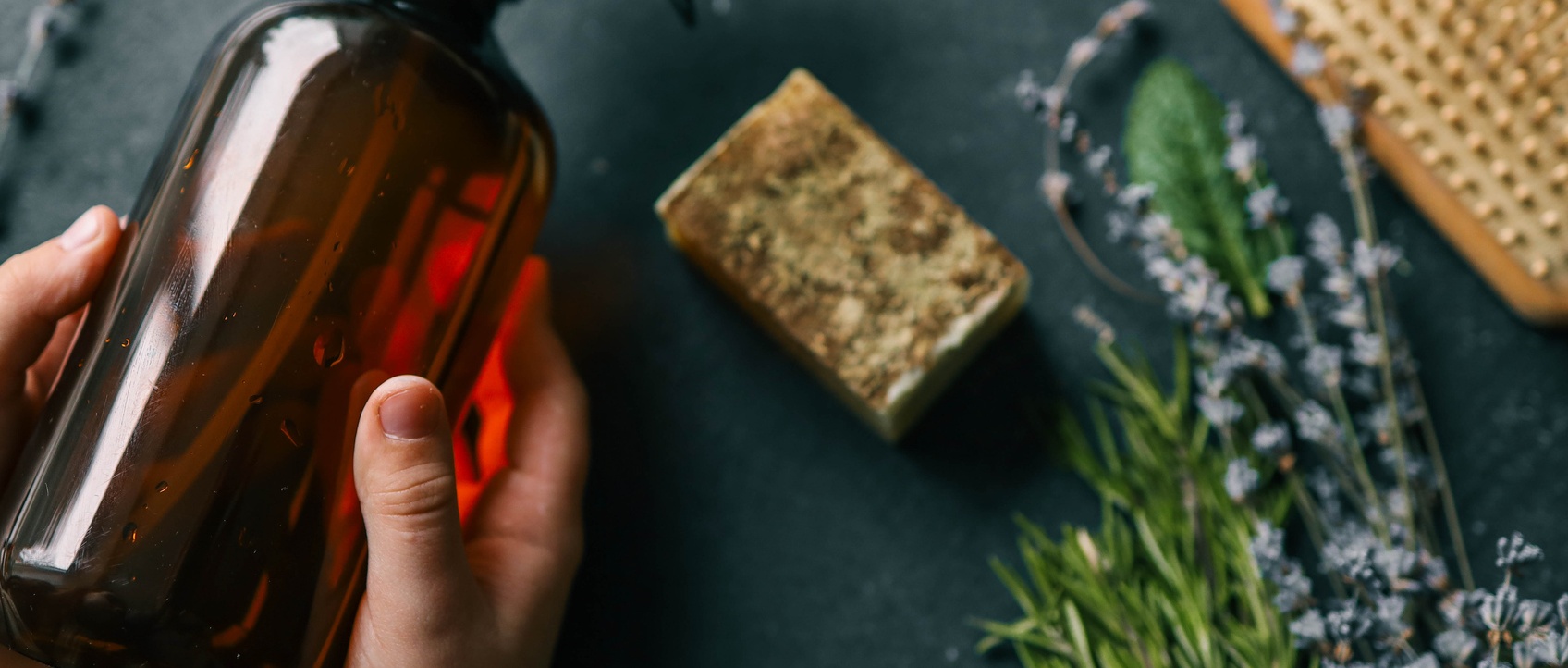
¿El aceite de romero realmente ayuda al crecimiento del cabello?
Revisado por pares por Dr Krishna Vakharia, MRCGPÚltima actualización por Victoria RawÚltima actualización 3 Dec 2024
Cumple con las directrices editoriales
- DescargarDescargar
- Compartir
- Language
- Discusión
- Versión en audio
- Agregar a fuentes preferidas en Google
Siempre estamos en busca del último producto milagroso para la salud, especialmente si es económico y fácil de encontrar en la calle principal. Y TikTok está lleno de afirmaciones de que el aceite de romero es un remedio para el rápido crecimiento del cabello. Pero, ¿hay alguna evidencia de que funcione?
What is rosemary oil?
Rosemary oil comes from the rosemary plant, a fragrant herb that grows as an evergreen shrub. It’s known as a food seasoning, but is used in herbal medicines and cosmetics too.
Can rosemary oil help with hair loss?
Using rosemary oil as a hair product has fast-become a hit on redes sociales, with many claiming it has helped treat hair loss and promote growth. There is some evidence to support this.
One study found rosemary oil to be as effective at encouraging hair regrowth as minoxidil, a medicine to treat male pattern hair loss (androgenic alopecia)1 - however this study was small and it is difficult to make any conclusions from it.
Calvicie de patrón masculino is a form of hair loss that happens when a by-product of testosterone called dihydrotestosterone attacks the hair follicles. It’s thought that rosemary oil helps to prevent this hormone from attacking the follicles, which allows the hair to grow. The rosemary oil also reduced scalp itchiness too.
A small body of research suggests that rosemary oil might help with other forms of hair loss too. For example, a study suggested that rosemary oil may help to kill certain bacteria, which may help treat hair loss if it is caused by a bacterial infection2. There is no solid evidence, however, that rosemary oil definitely works and should replace standard treatments. Although these studies are promising, it’s hard to judge the effectiveness of rosemary oil based on a handful of small studies.
Dr Sharon Wong, Consultant Dermatologist and Hair Specialist, the MW Clinic, London says: "Rosemary oil is being lauded as a miracle hair growth product, with very little data to back this claim up.
"One study looked at comparing the effects of rosemary oil versus common medical treatment on male pattern baldness," she says. "However there are several flaws with the study that raise the question of its reliability. Furthermore, there is currently no data that can confirm if rosemary oil works on any other forms of hair loss."
Is rosemary oil safe?
Rosemary oil is a natural remedy, but that does not mean it is safe for everyone. As with any product, some people may be allergic to rosemary oil. Those with sensitive skin may get irritation, rashes or other skin issues when using it.
If you are pregnant or breast-feeding you should not use rosemary oil unless your doctor advises otherwise. As children’s skin is especially sensitive, it may not be suitable for them.
How to use rosemary oil for hair
You should not apply rosemary oil directly to your scalp. Always dilute it with a carrier oil - such as coconut or jojoba oil. For example, mix a few drops of rosemary essential oil with around a tablespoon of your chosen carrier oil.
Before applying, always do a test patch beforehand to check for any allergic reactions, and wash your hair thoroughly afterwards with shampoo.
What else helps with hair growth?
The treatments available for hair loss depend on the causes of the problem. Some types of hair loss may be genetic - such as male and female pattern baldness. Other causes include illness, estrés, cancer treatment, weight loss or deficiencia de hierro. Some treatments may not be available on the NHS.
Minoxidil
Minoxidil and finasteride are the main treatments for male pattern baldness. Minoxidil can also be used to treat female pattern baldness, but women should not use finasteride.
Esteroides
Steroids in the form of creams or injections may help control alopecia areata by reducing the inflammation and suppressing the sistema inmunológico. This stops the body from attacking the hair follicles.
Inmunoterapia
Immunotherapy - the topical application of a chemical to bald areas of the scalp - may help those with alopecia areata3. It aims to alter the immune system so that it stops attacking the hair.
Low-level light therapy
Low-level light therapy, otherwise known as laser therapy, involves using different wavelengths of light to stimulate the hair follicles and promote hair growth. It may help hair loss caused by male and female pattern baldness, alopecia areata and pérdida de cabello caused by quimioterapia4.
Eat healthily
Eating a varied diet which is full of vitamins, minerals and other nutrients is important for healthy skin and hair. A lack of vitamina D, folate and zinc may contribute to alopecia areata5. Vitamin D can be found in supplements, sunlight, oily fish and eggs - but it is often added to cereals, plant milks and fat spreads.
Green, leafy veg like spinach, broccoli and sprouts contain folate, while zinc can be found in meat, beans, nuts, wholegrains such as wholemeal bread, cereals and dairy products. You can find iron in red meat and green vegetables like broccoli.
Low iron levels are a common cause of hair loss. Common symptoms of low iron include tiredness, shortness of breath, heart palpitations, pale skin and low energy. Your doctor may carry out blood tests and if your levels are too low, they may recommend taking iron supplements.
Hair volumising products
While these products won't make hair regrow or grow back, it can enhance the look of the hair you have and make it appear thicker. Being gentle with your hair - and avoiding using heat from hairdryers or straighteners on it - will also keep it looking healthier. Avoid brushing it when it's wet or vigorously towel drying it, as this can lead to the strands breaking. Also, try not to style your hair in a tight ponytail or bun, as this can pull the hair.
Get help for stress
Psychological stress can lead to hair loss. If you're struggling with estrés, ansiedad, low mood or any other salud mental issue, it's important to speak to your doctor - they can advise on the right treatment and support.
Lectura adicional
Selecciones del paciente para Hair and scalp
Salud de la piel, uñas y cabello
¿Realmente funciona el champú con cafeína para la caída del cabello?
Los champús con cafeína que estimulan el crecimiento del cabello (si se creen las afirmaciones del marketing) están ganando popularidad, pero ¿realmente funcionan y pueden causar problemas en la piel o el cuero cabelludo? Consultamos a una dermatóloga especialista para que nos dé su opinión sobre el tema.
por Julian Turner
Salud de la piel, uñas y cabello
Qué hacer con el exceso de vello corporal
Depilación con pinzas. Depilación con cera. Afeitado. Para muchas mujeres, deshacerse del vello no deseado puede ser una carga. Pero esto es aún más difícil para las mujeres que sufren de exceso de vello corporal o facial, conocido como hirsutismo.
por la Dra. Anna Cantlay, MRCGP
Sobre el autorVer biografía completa

Lydia Smith
Escritora de artículos
BA, MA, MSc
Lydia Smith es una periodista galardonada y escritora de reportajes que ha escrito extensamente sobre la salud de las mujeres y la salud mental. Actualmente está estudiando una maestría en psicología.
Acerca del revisorVer biografía completa

Dr Krishna Vakharia, MRCGP
Director Médico de Salud, Optum UK
MBChB, MRCGP(2013), BMedSci (hons), DFSRH, DRCOG, PGDipDerm (Distn)
La Dra. Krishna Vakharia es una médica general del NHS. También es examinadora habitual del Diploma de Posgrado en Dermatología Práctica en la Universidad de Cardiff, además de ser la Directora Médica de salud en Optum UK.
Historial del artículo
La información en esta página es revisada por pares por clínicos calificados.
Artículo también disponible en Inglés, Alemán, Español, Francés, Italiano, Portugués, Hindi, Hebreo, Árabe, y Sueco.
Next review due: 3 Dec 2027
3 Dec 2024 | Última versión
1 Sept 2023 | Publicado originalmente
Escrito por:
Lydia Smith

Pregunta, comparte, conecta.
Navega por discusiones, haz preguntas y comparte experiencias en cientos de temas de salud.

¿Te sientes mal?
Evalúa tus síntomas en línea de forma gratuita
Suscríbete al boletín de Patient
Tu dosis semanal de consejos de salud claros y confiables, escritos para ayudarte a sentirte informado, seguro y en control.
Al suscribirte aceptas nuestros Política de Privacidad. Puedes darte de baja en cualquier momento. Nunca vendemos tus datos.
Más sobre la salud de la piel, uñas y cabello
- ¿Puede tu piel volverse realmente adicta a las cremas con esteroides?
- ¿Podría tu mascarilla estar causando tu acné?
- Cómo lidiar con la depresión y la ansiedad causadas por el acné en adultos
- ¿El estrés empeora los problemas de la piel?
- Planes de manejo del eczema: ¿ayudan a controlar tu eczema?
- Alimentos que ayudan a mejorar los problemas de la piel
- Cómo las estaciones afectan tu eccema
- Cómo elegir el protector solar adecuado
- Cómo cuidar tu cabello durante la quimioterapia
- Cómo evitar que la piel seca arruine tu invierno
- Cómo evitar que tu hijo contraiga una verruga
- Cómo distinguir entre el acné y otros problemas de la piel
- Cómo tratar las ampollas por quemaduras solares
- ¿Existe un vínculo entre la dieta y el acné?
- ¿Piel con picazón por la noche este verano? Aquí te decimos por qué
- Neurocosméticos: ¿un cambio cerebral para tu salud?
- Retinol: beneficios para el cuidado de la piel, efectos secundarios y más
- ¿Por qué tenemos uñas?
- Por qué el cabello se vuelve gris - y cómo el estilo de vida puede influir
- ¿Por qué mi eccema facial empeora en verano?