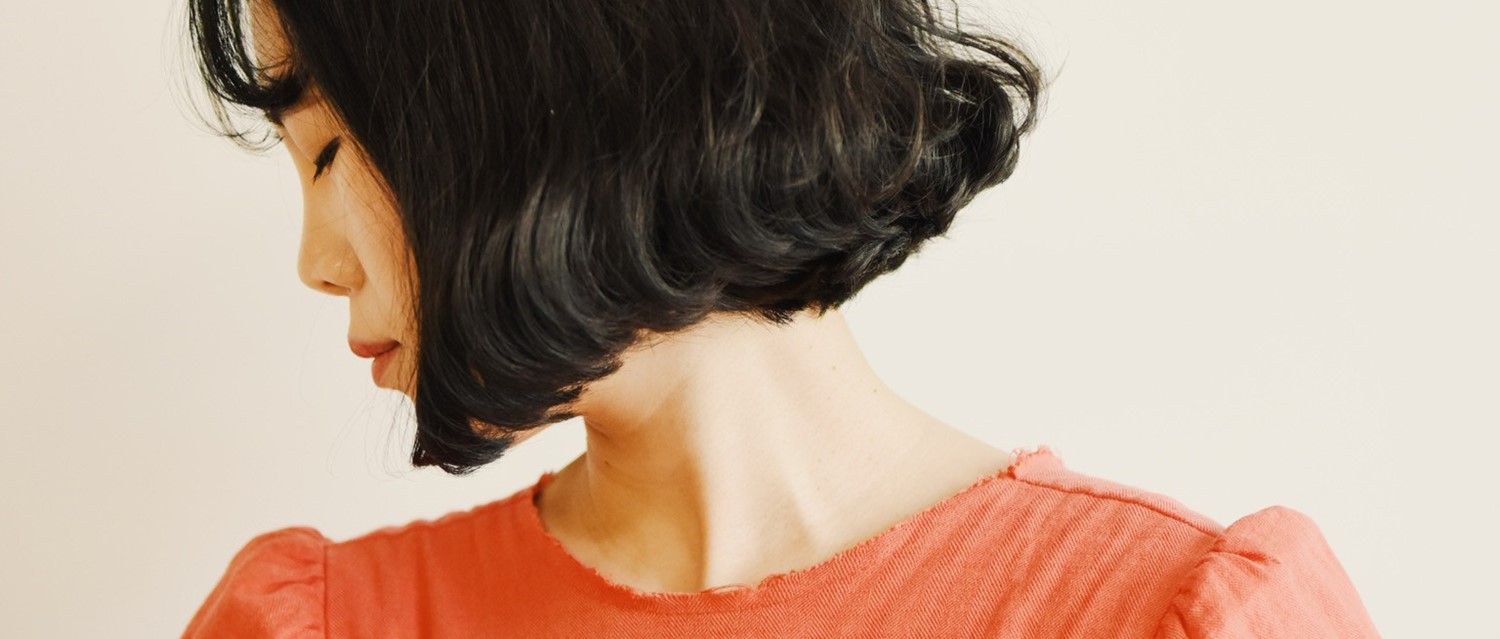
Does the menopause cause hair loss?
Peer reviewed by Dr Sarah JarvisLast updated by Natalie HealeyLast updated 30 Jan 2019
Meets Patient’s editorial guidelines
- DownloadDownload
- Share
- Language
- Discussion
- Audio Version
- Add to preferred sources on Google
We all know the most common symptoms associated with the menopause such as hot flushes, but not everyone realises it can affect hair too. For many women, hair is intrinsically linked to self-esteem. So how do you get through this time with your crowning glory intact?
Sign up for our free 10-week Menopause course!
Each week, we'll explore different topics to help you better understand and navigate your menopausal journey, including HRT, diet, exercise, and mental health.
By subscribing you accept our Privacy Policy. You can unsubscribe at any time. We never sell your data.
GP Dr Aarti Narayan Denning, who specialises in cosmetic medicine, points out that hair loss during the menopause and perimenopause is more common than you might think.
"Most women experience overall hair thinning rather than noticeable bald spots. The thinning can occur on the front, sides, or top of the head. Hair may also fall out in large clumps during brushing and showering," she points out.
"It's estimated that around 70% of women over the age of 70 experience hair loss," she adds.
Nevertheless, such a change in your appearance can be understandably distressing.
Why menopause affects your hair
Why might the menopause affect your hair? The answer, of course, is hormones. Lack of oestrogen could lead to a lacklustre mane.
"Hair loss during menopause is the result of lowered production of oestrogen and progesterone. These hormones help hair grow faster and stay on the head for longer periods of time. When the levels of oestrogen and progesterone drop, hair grows more slowly and becomes much thinner," Denning explains.
The psychological impact
The majority of us can relate to the lack of confidence associated with a 'bad hair day'. And many women find that menopause-associated hair loss damages their confidence.
"We live in an age of easy image sharing and broadcasting, with the side-effect that our appearance is exposed to judgement. Even though hair loss is not life-threatening and considered cosmetic in many cases, the effects on patients' quality of life are real," says Denning.
And the research backs this up. While both men and women are affected by hair loss, the impact may be more devastating in women, sometimes leading to social self-exclusion and severe depression.
Treatment options
But if you've become unhappy with your hair since the menopause, you're not alone. More comforting still, there's plenty that can be done.
Denning advises that you speak with your GP early - as soon as you notice a change in your hair - so that a possible cause can be identified. You might have a nutritional deficiency, for instance, that can easily be remedied with the right supplement.
She explains that your doctor will want to take a full medical history.
"I look at a woman's stress levels, changes in hormone treatment, chronic illness, life stage changes. And of course, examining the hair to look for any physical changes."
Your GP might call for some blood tests, to check for healthy levels of iron and various vitamins, along with your thyroid and other hormones.
If the blood tests come back normal, hair loss treatment minoxidil is sometimes prescribed, which many women find helpful - although this is highly unlikely to be available on the NHS. But don't rule out non-medical intervention, says Denning. Never underestimate how much your hair will thank you for avoiding aggressive styling, irritating chemicals and heat treatments. "Sometimes the simplest approach is the best."
What about HRT?
If hair changes during the menopause are associated with other uncomfortable symptoms such as skin changes, hot flushes, and mood swings, hormone replacement therapy (HRT) may be worth looking into. But always ask your GP whether it's appropriate for you.
"We need to take into consideration the many different factors affecting hair growth, hair fall and hair distribution first," cautions Denning. "But the good news is that when hair loss is part of normal hormonal changes and ageing, it is treatable."
However, it's important to bear in mind that the risks and benefits of HRT must be carefully assessed before planning treatment.
Patient picks for Menopause and HRT
Hormones
HRT: fact-checking risks and benefits
Myths persist about side effects and risks of hormone replacement therapy (HRT) for menopause. Here we fact check the reality behind the rumours and misconceptions and give you the truth about taking this medicine which plays a vital role in helping you live with menopause more comfortably and healthily.
by Lawrence Higgins
Hormones
Looking after your health during the menopause
The menopause is a normal part of life, but that doesn't mean it's an easy process. Not everyone gets hot flushes, night sweats and vaginal dryness, and some women breeze through this natural phase in their lives - but some of us need a little extra help.
by Lydia Smith
About the authorView full bio

Natalie Healey
Freelance journalist
BSc (Hons) Biomedical Science
She is a London-based health journalist who has been writing about science and medicine for several years. She is the former head of editorial at Patient.
About the reviewerView full bio

Dr Sarah Jarvis
Clinical Consultant
MA (Cantab), BM, BCh (Oxon), DRCOG, FRCGP, MBE
After training in medicine at Cambridge and Oxford, Dr Sarah Jarvis MBE became a GP.
Article history
The information on this page is peer reviewed by qualified clinicians.
Article also available in English, German, Spanish, French, Italian, Portuguese, Hindi, Hebrew, Arabic, and Swedish.
30 Jan 2019 | Latest version
Join the conversation
Share your thoughts or experiences with others in our patient communities.

Ask, share, connect.
Browse discussions, ask questions, and share experiences across hundreds of health topics.

Feeling unwell?
Assess your symptoms online for free
Sign up to the Patient newsletter
Your weekly dose of clear, trustworthy health advice - written to help you feel informed, confident and in control.
By subscribing you accept our Privacy Policy. You can unsubscribe at any time. We never sell your data.
More in hormones
- 7 ways to ease 'morning dread' during perimenopause
- Are you going through the perimenopause?
- Can blood tests help to manage menopause and HRT?
- Could your 'morning dread' be a sign of perimenopause?
- How can you prevent osteoporosis during the menopause?
- How does race affect menopause care?
- How PCOS affects your mental health
- How to ease joint pain during the menopause
- How to tell if you have an underactive thyroid
- Menopause and exercise
- PCOS diet: What to eat to manage symptoms
- PCOS videos
- The problem with 'bioidentical hormones' for menopause
- Video: How do you know you're going through the menopause?
- What are EDCs and why should you worry about them?
- What is postmenopausal depression?
- What you need to know about testosterone and menopause
- What's the link between PCOS and diabetes?
- Why getting outdoors can support you through menopause