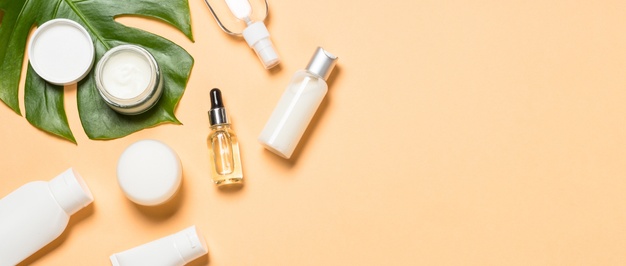
Neurocosmetics: a brain-changer for your health?
Peer reviewed by Dr Colin Tidy, MRCGPAuthored by Victoria RawOriginally published 7 Jan 2026
Meets Patient’s editorial guidelines
- DownloadDownload
- Share
- Language
- Discussion
- Audio Version
- Add to preferred sources on Google
Neurocosmetics are skincare products that have gained traction in the wellness world for their supposed ability to promote mental wellbeing. By interacting with your skin’s nervous system, these products claim to positively affect your mood and emotional state. For beauty enthusiasts, this might sound like the ultimate fusion of skincare and self-care - but is it too good to be true? Let’s see what an expert has to say and whether there’s real science behind the hype.
What are neurocosmetics?
The idea of putting something on your skin to influence how you feel seems almost futuristic. However, as Dr Hazel Parkinson of Dr Hazel Skin Solutions explains, the biology behind what she calls ‘psychodermatology’ and the skin’s neuroendocrine system - which translates brain signals into chemical responses - is very real.
“Neurocosmetics are designed to interact with the skin’s nerves and signaling systems to reduce unpleasant sensations - such as stinging, itching, burning - or improve comfort and wellbeing,” describes the Long Itchington-based GP.
She adds, however, that the clinical evidence for many neurocosmetic ingredients is limited.
“So far, it remains partly ahead of the evidence,” she says. “Far more high-quality research is needed to prove whether these products really do what they promise.”
How does your skin ‘talk’ to your brain?
Your skin and brain are in constant conversation, and they connect in three key ways that affect how your skin feels and behaves.
Parkinson highlights the three primary pathways involved:
Nerves - your skin is packed with nerves. Certain nerve endings release chemicals that can cause redness, itching, or swelling. These signals travel to your brain, affecting how you perceive sensations and respond to stress.
Hormones - your skin has its own mini stress system. Skin cells can produce and respond to stress hormones such as cortisol. When overall stress is high, cortisol can weaken your skin barrier and slow repair.
Immune system - immune cells in your skin interact with nerves. Stress can trigger these cells to react, worsening conditions such as eczema, hives, or flushing.
Why it matters: Calming nerve activity and supporting your skin barrier may help reduce stinging, redness, and flare-ups.
Why does our skin sometimes flare up under stress?
Under stress, your brain triggers your body’s stress response, which raises cortisol and other stress chemicals.
According to Parkinson, this can:
Weaken your skin barrier - making it more sensitive and prone to water loss.
Increase nerve-driven inflammation - causing redness and itch.
Activate your immune system - contributing to acne, eczema, or psoriasis flare-ups.
Change behaviours - such as sleep, diet, or skin-picking, which can worsen breakouts.
So, can soothing your skin really calm your mind?
Some clinical studies suggest that boosting skin comfort and barrier health can lead to better sleep and less itching or irritation.
Parkinson points out that there’s still limited evidence that sensory-only skincare can reliably impact mood, anxiety, or brain activity.
For example:
A small trial in people with atopic dermatitis found that using emollients reduced itching and improved sleep compared with those who didn’t.
An exploratory study of a fragranced skin cream reported improved self-reported wellbeing in participants with sensitive skin - though it lacked blinding and biomarker measurements.
In short, there are encouraging signs, but the evidence remains far from conclusive.
Ingredients and sensory effects that may calm your skin
Some ingredients work directly on the skin’s nerves, while others rely on sensory effects - such as texture, cooling, or fragrance.
Parkinson outlines those that could help.
Ingredients that may calm nerves:
TRP-channel modulators - such as low-dose capsaicin or menthol can reduce stinging, itching, or heat sensations.
Niacinamide - supports the skin barrier and reduces inflammation, which may indirectly soothe nerves.
Peptides and plant extracts - are often marketed as ‘neuro-soothing,’ though strong independent evidence is limited.
Sensory effects:
Smooth textures - reduce friction and irritation.
Cooling gels or lightweight creams - can make your skin feel less hot or stingy.
Fragrances - may promote relaxation via smell, but can irritate sensitive skin. Fragrance-free is safer for eczema or very reactive skin.
“Both approaches may help,” Parkinson explains. “But for sensitive or reactive skin, repairing the barrier and avoiding irritants are the most important steps.”
Are neurocosmetics just a soothing self-care experience?
In conclusion, further clinical trials are needed to confirm whether neurocosmetics truly influence both skin condition and emotional wellbeing.
“A topical cream isn’t going to meaningfully rewire your brain chemistry in a medical sense,” says Parkinson. “Almost none of it is absorbed into the body. However, creams can influence nerve signals from your skin and scent-related inputs, which can affect perception, comfort, and stress responses.
“I’d frame neurocosmetics as well-designed sensory self-care products that may help reduce skin discomfort and promote relaxation - not as medical treatments for mental health.”
Patient picks for Skincare

Skin, nail and hair health
How to care for your skin in winter
For most of us in the northern hemisphere, the cold of winter is well and truly upon us, and unless you're going to where the sun is shining, it will be a few months before you feel the warm rays on your skin again. But winter can wreak havoc with your skin, leading to itching, soreness, and even infections. So there's even more reason than in summer to give your skin some regular tender loving care.
by Lynn Stephen
Oral and dental care
How to take care of chapped lips this winter
The winter months can wreak havoc on our lips, leaving them dry, flaky and sore. So why does this time of year cause chapped lips - and is there anything we can do to prevent them?
by Victoria Raw
About the authorView full bio

Victoria Raw
Feature Writer
BA (Hons), English Literature
Victoria is a content writer at Patient, with special interests spanning mental wellbeing, societal trends and the impact of technology on our health.
About the reviewerView full bio

Dr Colin Tidy, MRCGP
General Practitioner, Medical Author
MBBS, MRCGP, MRCP (Paediatrics), DCH
Dr Colin Tidy is an NHS Doctor, based in Oxfordshire.
Article history
Article also available in English, German, Spanish, French, Italian, Portuguese, Hindi, Hebrew, Arabic, and Swedish.
Next review due: 7 Jan 2029
7 Jan 2026 | Originally published
Authored by:
Victoria RawPeer reviewed by
Dr Colin Tidy, MRCGP
Join the conversation
Share your thoughts or experiences with others in our patient communities.

Ask, share, connect.
Browse discussions, ask questions, and share experiences across hundreds of health topics.

Feeling unwell?
Assess your symptoms online for free
Sign up to the Patient newsletter
Your weekly dose of clear, trustworthy health advice - written to help you feel informed, confident and in control.
By subscribing you accept our Privacy Policy. You can unsubscribe at any time. We never sell your data.
More in skin, nail and hair health
- A guide to UV protection sunglasses
- Back to school: how to check your child for head lice and nits
- Can changing your diet help psoriasis?
- Can dandruff and an itchy scalp lead to hair loss?
- Chemical peels: benefits, costs, risks, and recovery
- Does stress make skin problems worse?
- Does vaping age or damage your skin?
- Dry skin in winter: what cold weather can do to your skin
- Foods that help improve skin problems
- How often should you wash your hair?
- How to care for black skin during winter
- How to look after your skin during chemotherapy
- How to stop dry skin ruining your winter
- Is there a link between diet and acne?
- The health benefits of seawater
- The simplest men's skincare routine
- The warning signs of heatstroke and heat exhaustion
- What does vitamin C serum do?
- What it's really like to live with rosacea
- What to do if psoriasis is getting you down