
¿Por qué las mujeres viven más que los hombres?
Revisado por Dr Krishna Vakharia, MRCGPEscrito por Amberley DavisPublicado originalmente 14 de junio de 2022
Cumple con las directrices editoriales
- DescargarDescargar
- Compartir
- Language
- Discusión
- Ask Patient
- Versión en audio
- Agregar a fuentes preferidas en Google
En países de todo el mundo, la esperanza de vida promedio de las mujeres es años mayor que la de los hombres. Esta tendencia es tan significativa que los expertos han identificado muchos factores que la influyen. ¿Cuántos de estos factores tienes el poder de cambiar?
Selecciones de videos para EnvejecimientoBiblioteca de videos
Do women live longer than men?
Wherever you are in the world, you've likely heard that women tend to outlive men. If you've ever wondered if this is true, you need only look around your local elderly nursing home - which in all probability will have a great deal more female occupants than male.
In the UK and worldwide, statistics confirm this gender longevity gap:
UK average age of death for men1
2017-2019: 79.8 years of age.
2020: 78.6 years of age (slight decline influenced by the COVID-19 pandemic).
UK average age of death for women
2017-2019: 83.4 years of age.
2020: 82.6 years of age (slight decline influenced by the COVID-19 pandemic).
This suggests that on average, women can expect to live almost four years longer than men. This isn't a recent or a localised trend - since the mid 19th century and across the globe, the average woman has enjoyed a longer life expectancy compared to the average man. Over time, this longevity gap has increased2.
Why do many men not live as long?
Before we explore the factors behind these statistics, let's not forget that we are speaking in averages. A person’s lifespan is influenced by so many complex and intertwined factors - we know many men live beyond 80 years of age, just as we know many women and men never reach old age.
So why do women live longer than men in the overall population? Generally speaking, we know that there are common biological, cultural, and behavioural differences between men and women which can influence the life expectancy gap.
While it's hard to measure how strong each contribution is in a person's life, it may help to learn some of the key and unique challenges in men's overall health.
Chromosomes, hormones, and heart health
If you're born male, this risk factor is with you from birth. Biology can in part explain why more men than women develop enfermedades cardiovasculares (this includes enfermedades del corazón, a type of cardiovascular disease describing a set of conditions affecting the heart muscle and surrounding blood vessels).
Higher levels of oestrogen (the female sex hormone) and the presence of a second 'X' chromosome in women mean that women have more fat sitting under their skin (subcutaneous fat) whereas men carry more around their organs (visceral fat). This visceral fat is a risk factor for heart disease3.
Another biologically determined factor is size. Men tend to be larger in size than women. Scientists can see that within many species, larger animals tend to die earlier. However, how important this factor is in humans is unclear.
Mental health and coping mechanisms
Suicide
Even though depresión isn't thought to affect more men than women, statistics from charities such as Samaritans in the UK continue to show that more men commit suicidio4. Their latest data show that:
The male suicide rate is 15.3 per 100,000 people.
This is compared to the female suicide rate of 4.9 per 100,000 people.
Males aged 45-49 years continue to have the highest suicide rate (23.8 per 100,000 people).
It's difficult to determine all the factors at play here, but many psychologists believe that harmful cultural expectations - for example, the taboo many men feel when experiencing enfermedad mental - discourages them from seeking the help they need.
Stress-related illness
Of course, all men and women have the capacity to feel estrés. When we're stressed, our bodies release adrenaline. Known as the "fight or flight" hormone, adrenaline speeds up your heart rate and raises your blood pressure.
Once your stress subsides, your blood pressure should return to normal. However, feeling persistently stressed can lead to long-term presión arterial alta. This can increase the risk of several serious conditions, including heart disease and accidente cerebrovascular. Stress can also encourage unhealthy habits - such as drinking too much alcohol y fumar - which can also pose a greater risk of health problems5.
Research suggests that women are more likely to develop healthier coping mechanisms compared with men. For example, men are less likely to seek mental health support services or to try stress-relieving techniques, such as yoga.
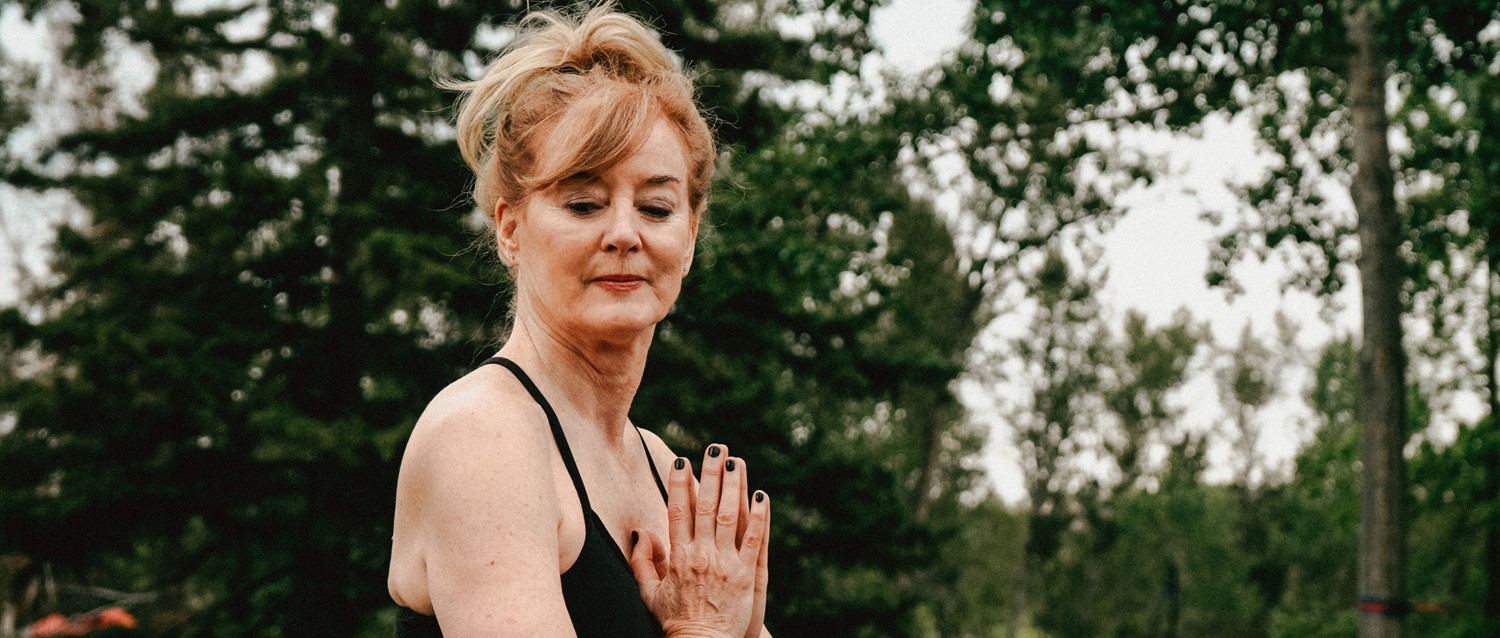
Penny Weston encourages men to attend her yoga classes at her Staffordshire-based Made Wellness Centre6. "Men are experiencing stress, anxiety, and burnout just the same as women," she says. "Yoga can really help clear and calm your mind, help fight negativity, and improve your mood."
Risky behaviour
It may seem like a stereotype, but statistics show that men - particularly young men - are far more likely to partake in risky behaviour that sometimes results in serious illness and death. This can range from unhealthy lifestyle choices like excessive smoking and drinking7, to road traffic accidents due to dangerous driving. In fact, young men make up 73% of all road traffic deaths8.
However, identifying whether this behaviour is influenced by culture, biology, or both is not as clear-cut. Some experts believe that many actions can be explained by masculinidad tóxica (or traditional masculinity) - the pressure many men feel to conform to dangerous masculine stereotypes such as risk-taking. Yet, others emphasise that the part of the brain that controls judgement and considers consequences develops at a slower rate in boys and young men compared to their female counterparts7.
Avoiding the doctors
Sadly, this is one prevalent yet avoidable reason why many women live longer than men. Again, toxic masculinity may play a key role here. One study9 found that men who followed the most traditional notions of masculinity - including being self-reliant and brave - were half as likely as men with more moderate masculinity beliefs to seek and receive healthcare.
Contacts you may find helpful (UK-based)
Samaritans - mental health support and suicide prevention charity:
Call: 116 123 for free.
Email: jo@samaritans.org.
Mind - mental health support and resources charity:
Call: Infoline: 0300 123 3393 or legal line: 0300 466 6463.
Email: info@mind.org.uk or legal@mind.org.uk/.
Andy’s Man Club - men's mental health charity offering free-to-attend talking groups:
Email: info@andysmanclub.co.uk.
Lectura adicional
Selecciones del paciente para Envejecimiento
Salud de los mayores
La terapia de 'cosquilleo en el oído' podría ralentizar el envejecimiento
Stimulating or 'tickling' the ear with a small electrical current could rebalance the nervous system and lead to a more comfortable ageing process.
por Ashwin Bhandari

Salud de los mayores
Envejecimiento saludable - lo que necesitas saber
El envejecimiento saludable no consiste en aferrarse a la juventud ni en no envejecer, sino en las acciones que puedes tomar hoy para prepararte para un futuro saludable. Sigue leyendo para obtener consejos prácticos y recomendaciones que te ayuden a mantenerte agudo, activo y fuerte a medida que pasan los años.
por Lawrence Higgins
Sobre el autorVer biografía completa
Escrito por

Amberley Davis
Escritora senior
BA (Hons), CPD
Amberley es una escritora senior en Patient y ha escrito extensamente sobre una variedad de temas de salud y bienestar.
Acerca del revisorVer biografía completa

Dr Krishna Vakharia, MRCGP
Director Médico de Salud, Optum UK
MBChB, MRCGP(2013), BMedSci (hons), DFSRH, DRCOG, PGDipDerm (Distn)
La Dra. Krishna Vakharia es una médica general del NHS. También es examinadora habitual del Diploma de Posgrado en Dermatología Práctica en la Universidad de Cardiff, además de ser la Directora Médica de salud en Optum UK.
Historial del artículo
Artículo también disponible en Inglés, Alemán, Español, Francés, Italiano, Portugués, Hindi, Hebreo, Árabe, y Sueco.
14 de junio de 2022 | Publicado originalmente
Escrito por:
Amberley DavisRevisado por
Dr Krishna Vakharia, MRCGP
Comparte tus pensamientos o experiencias con otros en nuestro comunidades de pacientes.
Suscríbete al boletín de Patient
Tu dosis semanal de consejos de salud claros y confiables, escritos para ayudarte a sentirte informado, seguro y en control.
Al suscribirte aceptas nuestros Política de Privacidad. Puedes darte de baja en cualquier momento. Nunca vendemos tus datos.