Terapia en redes sociales - ¿Es útil el asesoramiento en salud mental en línea?
Revisado por pares por Dr Sarah Jarvis MBE, FRCGPÚltima actualización por Lydia SmithLast updated 15 Nov 2021
Cumple con las directrices editoriales
- DescargarDescargar
- Compartir
- Language
- Discusión
- Versión en audio
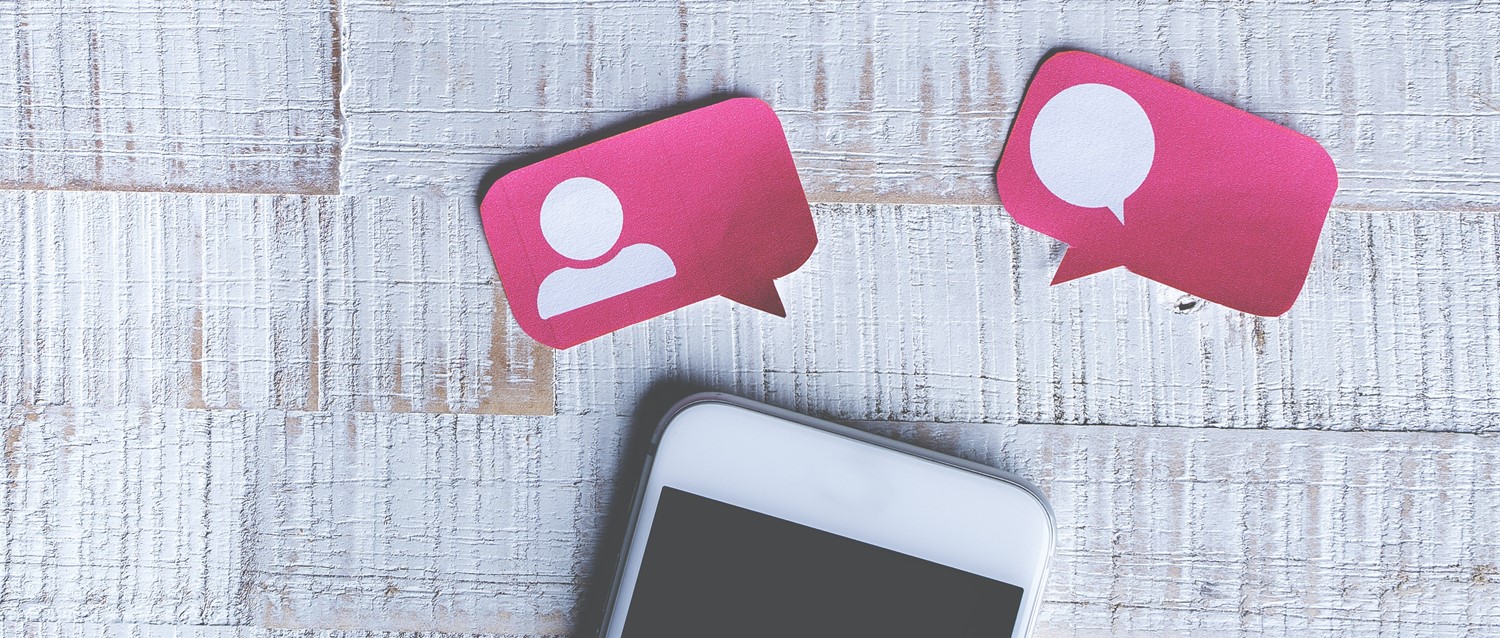
Compartir consejos de salud mental de terapeutas en las redes sociales se está volviendo cada vez más común. El fenómeno, conocido como 'terapia en redes sociales' o 'terapia en Instagram', consiste en que personas normales publican citas de su consejero, o consejos o información general destinados a ayudar a otras personas a sentirse comprendidas. Aunque estas publicaciones suelen ser muy identificables, a veces pueden causar más daño que beneficio.
En este artículo:
Video picks for En línea y redes sociales
Continúa leyendo abajo
What is social media therapy?
From Instagram to TikTok, regular people have become salud mental influencers by writing quick posts. These might feature quotes from a terapeuta or detailed infographics, which provide advice or uplifting thoughts for followers. The posts are generally positive and aim to help people find solace and support in en línea communities.
"There are some useful and supportive online forums, that are also on Twitter and Instagram, where they post three or four times a day on how to cope with difficult feelings," says Alivia Rose, psychotherapist and spokesperson for the Consejo del Reino Unido para la Psicoterapia (UKCP).
"These can be places where the reader can feel less isolated and alone with their feelings and get some tips and advice on how to manage them," she explains. "Hearing that others are going through it as well can make coping with unbearable feelings more manageable."
In some cases, these posts may encourage people to seek out their own mental health treatment or therapy too. "They may be an entry point for someone's individual psicoterapia, having read some supportive and positive information," adds Rose.
Social media during COVID-19
Volver al contenidoDuring the COVID-19 lockdowns, many people experienced isolation and uncertainty on an immense scale. According to a 2020 survey by the Mental Health Foundation, one in four adults reported feelings of la soledad. With fewer chances to see friends and family, more people turned to social media to connect with other people and seek salud mental support.
With more people experiencing salud mental issues and the conversation turning online, the long-standing stigma around this topic is finally being broken down. Hearing that other people are going through similar struggles can be validating and normalising, which can help reduce feelings of isolation and shame.
Social media can sometimes provide a form of apoyo entre pares too, which investigaciones suggests can help people deal with difficult emotions and feelings.
"What is interesting to me is that for the first time in 36 years of being a qualified psychotherapist, mental health is now on the agenda," says Rose. "When I qualified, psicoterapia was not really understood or communicated about. It was a hidden subject and people didn't like to disclose they were having therapy for fear they would be seen in a negative light.
"The positive side of all the press and social media exposure is that it has become more acceptable that people have salud mental issues, and they can choose to go into psychotherapy and start to get better."
However, many posts on redes sociales - while well intentioned - are written by people with no professional mental health training. And although they are typically positive, they are no replacement for actual terapia with a registered counsellor or psychotherapist.
Continúa leyendo abajo
General advice isn't always helpful
Volver al contenidoOne risk of taking mental health advice from redes sociales posts is that often, it is very general. What one person may find helpful can be troublesome for another, depending on their personal situation. Unlike on social media, a professional terapia session provides a safe space where you can work with your therapist to explore problems and find individualistic solutions.
"It can be useful to repeat what your therapist has said to you with the understanding that it was purely in response to your own history and issues," says Rose. "Having said that, when listening to a friend and colleague expressing their concerns it may well not be useful to repeat it.
"They may not be able to identify with it, as it was meant for you alone. A therapist will always take your individual situation and salud mental into account when offering advice or feedback."
With advice on social media, there is always the risk it will be misunderstood or misconstrued - potentially making it more harmful than helpful.
Social media can have adverse effects on mental health
Volver al contenidoAnother issue is that health advice online can occasionally lead people into dangerous behaviour, which can harm their mental or physical health. Social media posts, on the whole, are unregulated and not all influencers have their followers' best interests at heart.
"I think the downside of online information is that the sites and posts that are set up to encourage people to be part of a 'gang' or 'family' can encourage ill health," Rose explains. "This has been seen and noted on some sites for anorexia, addiction and suicidio. These sites pull people into destructive and unhealthy behaviour.
"If the mental health issue that the person was looking to get help with had been exacerbated from being on the site, then this would be a clear warning sign that the site was not helpful to them," adds Rose. "Also, if the person was feeling worse about themself from being on the site, then this would be another warning sign."
Continúa leyendo abajo
False information
Volver al contenidoAdditionally, we tend only to see a snapshot of people's lives in their social media posts. Often, problems are simplified and the whole picture is rarely visible. Posts may also contain false or misleading information. For example, someone may claim that ejercicio alone can cure a mental health problem. While lifestyle changes can help support good mental health, talking therapy or medication may be necessary too.
Social media can also create pressure to look, think or feel a certain way, which can have a detrimental impact on our mental health too.
Judging online information carefully
Volver al contenidoSocial media posts have the potential to humanise mental health problems and encourage people to talk about their issues and seek help. However, it's important to remember that online material can have a negative side too. Not all advice is good advice, so being discerning is key.
If you're unsure about the validity of the advice on a post, it's worth checking who wrote it and their credentials. And if you're finding redes sociales more harmful than helpful, a break from it might be needed.
Finally, if you're struggling with your mental health, it's important to speak to your doctor who can recommend different treatments, such as terapia de conversación o medicación.
Patient picks for En línea y redes sociales
Vida saludable
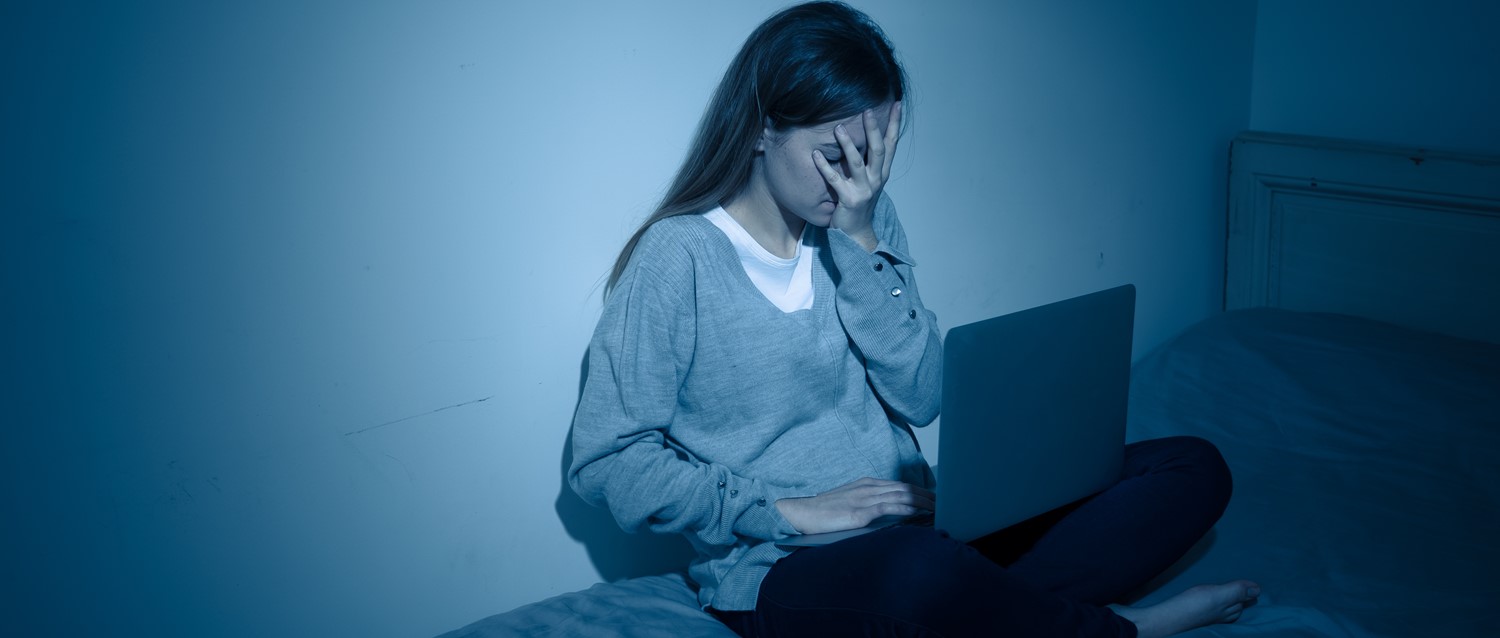
Cómo detectar las señales de ciberacoso
El ciberacoso y la seguridad de los niños en línea se han convertido en preocupaciones importantes en los últimos años debido a los avances tecnológicos y al rápido crecimiento de las redes sociales. Es realmente importante que los padres y tutores puedan identificar las señales de ciberacoso en el comportamiento de un niño y que sepan qué hacer para ofrecer apoyo.
por Amberley Davis
Vida saludable
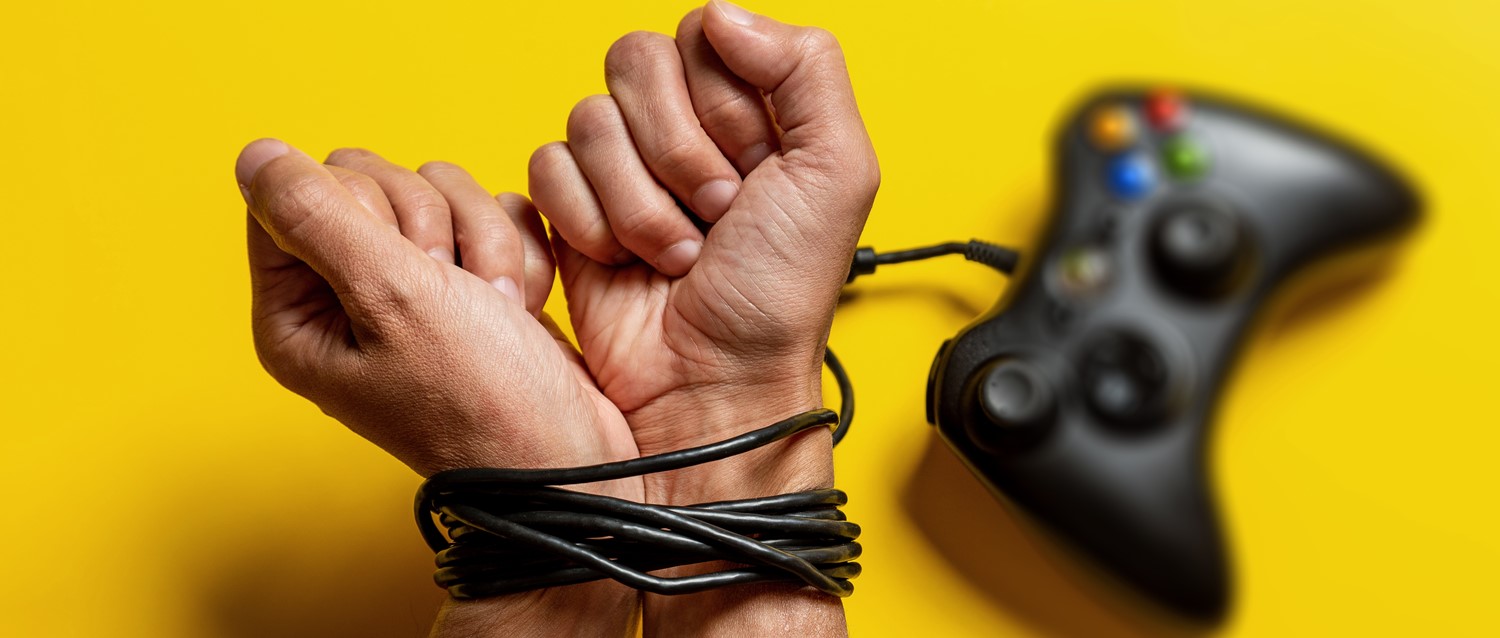
Cómo detectar los signos de adicción a los videojuegos en los niños
Casi la mitad de los padres están preocupados de que sus hijos pasen demasiado tiempo jugando en línea. También existen preocupaciones sobre los juegos violentos que afectan su sueño y hacen que los niños sean menos sociables. A medida que la tecnología avanza y se vuelve más accesible para los menores, es importante que los padres y tutores puedan detectar los signos de adicción a los videojuegos antes de que se salga de control.
por Emily Jane Bashforth
Continúa leyendo abajo
Historial del artículo
La información en esta página es revisada por pares por clínicos calificados.
15 Nov 2021 | Última versión
15 Nov 2021 | Publicado originalmente

Pregunta, comparte, conecta.
Navega por discusiones, haz preguntas y comparte experiencias en cientos de temas de salud.

¿Te sientes mal?
Evalúa tus síntomas en línea de forma gratuita
Suscríbete al boletín de Patient
Tu dosis semanal de consejos de salud claros y confiables, escritos para ayudarte a sentirte informado, seguro y en control.
By subscribing you accept our Política de Privacidad. Puedes darte de baja en cualquier momento. Nunca vendemos tus datos.