
How to get vitamin-ready for autumn and winter
Peer reviewed by Dr Sarah JarvisAuthored by Dr Carrie Ruxton, PhD, Child NutritionOriginally published 22 Aug 2018
Meets Patient’s editorial guidelines
- DownloadDownload
- Share
- Language
- Discussion
- Audio Version
- Add to preferred sources on Google
Winter might be the last thing on your mind as you enjoy the ebbing rays of the sun but, make no mistake, those darker days with their accompanying coughs and sneezes are just around the corner. So, what can you do apart from stock up on tissues and Lemsip? Read on for your step-by-step plan to getting 'vitamin-ready' for winter.
While not a panacea, having the right balance of nutrients in your diet can help to support your immune function, minimising the impact of winter viruses. Autumn also signals the time of year where we need to plan for daily vitamin D supplementation as per Government guidelines.
Immune support
Our immunity works as a finely balanced system to repel bacteria and viruses. Too little response and we fall prey to whatever bugs are going around. Too much and we risk developing autoimmune conditions, such as rhinitis or psoriasis.
Dietician, Helen Bond, says: "Interestingly, a major barrier against foreign bodies is our gut which is why it's important to keep our digestive system in good working order. Around half a kilo of body weight is represented by bacteria living in our large intestines. Many of these are so-called 'friendly' bacteria which have a role in preventing invasions of pathogenic bacteria.
"The more helpful species of bacteria can be encouraged to thrive and perform their defence role if we eat plenty of high-fibre foods, such as wholegrain bread, pasta and rice; vegetables, fruit, seeds, nuts, beans and pulses. Probiotics (live bacteria products) and prebiotics (eg, inulin or oligofructose fibres) can also promote 'friendly' bacteria."
Vitamins and minerals have been shown to have a role in supporting a normal immune function. The main ones are vitamins A, C and D, but iron, selenium, zinc and B vitamins are also important.
One recent meta-analysis found that taking vitamin C supplements reduced the severity of the common cold, although another showed no consistent benefit on duration or severity of cold symptoms. Another meta-analysis reported that taking zinc lozenges or supplements reduced cold symptom duration by a third in healthy individuals. In both these cases, it is important to take the supplements within 24 hours of the onset of symptoms.
Children also seem to benefit from regular supplementation with zinc during the winter months as it may reduce the severity of colds and reduce antibiotic use. Check with your pharmacist before giving dietary supplements to children to ensure you select the right dose.
Vitamin D-day
Just 15-20 minutes per day in the summer sun stimulates our bodies to make enough vitamin D but modern habits of spending too much time indoors, wearing sun cream and covering up mean that many of us are vitamin D-deficient. A contributing factor is that it is difficult to get enough vitamin D from foods, since only oily fish, eggs and some types of mushrooms are rich natural sources.
The National Diet and Nutrition Survey reported that a quarter of adults and teenagers have a low vitamin D status, putting them at increased risk of bone conditions. Indeed, the National Osteoporosis Society estimates that more than 3 million people are living with osteoporosis - a condition that increases the risk of bone fractures. Rickets, a condition of the past which causes bowed legs, is also affecting increasing numbers of children from South Asian ethnic groups. This, too, is related to poor vitamin D status.
Vitamin D is known to have a role in supporting normal immune function. Studies suggest that chronic low vitamin D status may be linked with increased risk of type 1 diabetes and multiple sclerosis, although more research is needed to confirm this.
In 2016, the UK Government changed its advice, to recommend that everyone from the age of 12 months take a daily vitamin D supplement in autumn and winter. Breast-fed babies should be given vitamin D drops but formula-fed babies already receive enough vitamin D through milk fortification. Start your vitamin D supplements around mid-September and continue until April.
Certain vulnerable groups are advised to take a daily vitamin D supplement all year round. These include children aged under 5 years, pregnant and breastfeeding women, people aged 65 years and above, and those who are housebound or who cover their skin for cultural reasons. These groups either receive too little sunlight, or have enhanced requirements for vitamin D.
Supplementation or diet?
Having a balanced diet is the cornerstone of good health but this isn't always easy to achieve given our busy working lives and demands of family and home.
Nutritionist, Dr Emma Derbyshire, from the Health and Food Supplements Information Service says: "As winter approaches, it's worth reviewing your diet to check that you are eating the recommended 5-a-day fruit and vegetables, as well as minimising less healthy options such as fizzy drinks, confectionery, alcohol, and fatty/sugary foods. A daily multinutrient supplement, such as a multivitamin, can help top up your nutrient levels and ensure that you achieve recommended intakes. Dietary supplements are not a cure-all or a medicine but they do complement your usual diet. Your pharmacist is a good person to ask which supplements are best for you and your family."
Top tips for winter readiness
Take stock
Review your diet and check it against the Government's Eatwell Guide to see if you are getting the right balance of healthy foods.
Vitamin D every day
Make sure you have an adequate supply of vitamin D supplements for all the family (10 micrograms per day for everyone over 12 months old, or 8.5-10 micrograms per day for babies who receive less than 500 ml formula milk daily).
Make a list
Plan your shopping to ensure that you can enjoy immune-supporting vitamin C-rich foods every day. These include citrus fruits, peppers, tomatoes and green vegetables.
Standby supplements
Buy in emergency supplements of zinc (15-30 mg per day) and vitamin C (500-1000 mg per day) in case any teenage child or adult in the family develops cold symptoms. Combined products are available so ask your pharmacist. These products should only be taken for a limited time until cold symptoms subside. Read the product label for details.
Dr Carrie Ruxton has received fees for providing media comment for the Health Supplements Information Service
Patient picks for Vitamins and supplements
Diet and nutrition
10 everyday foods high in vitamin D
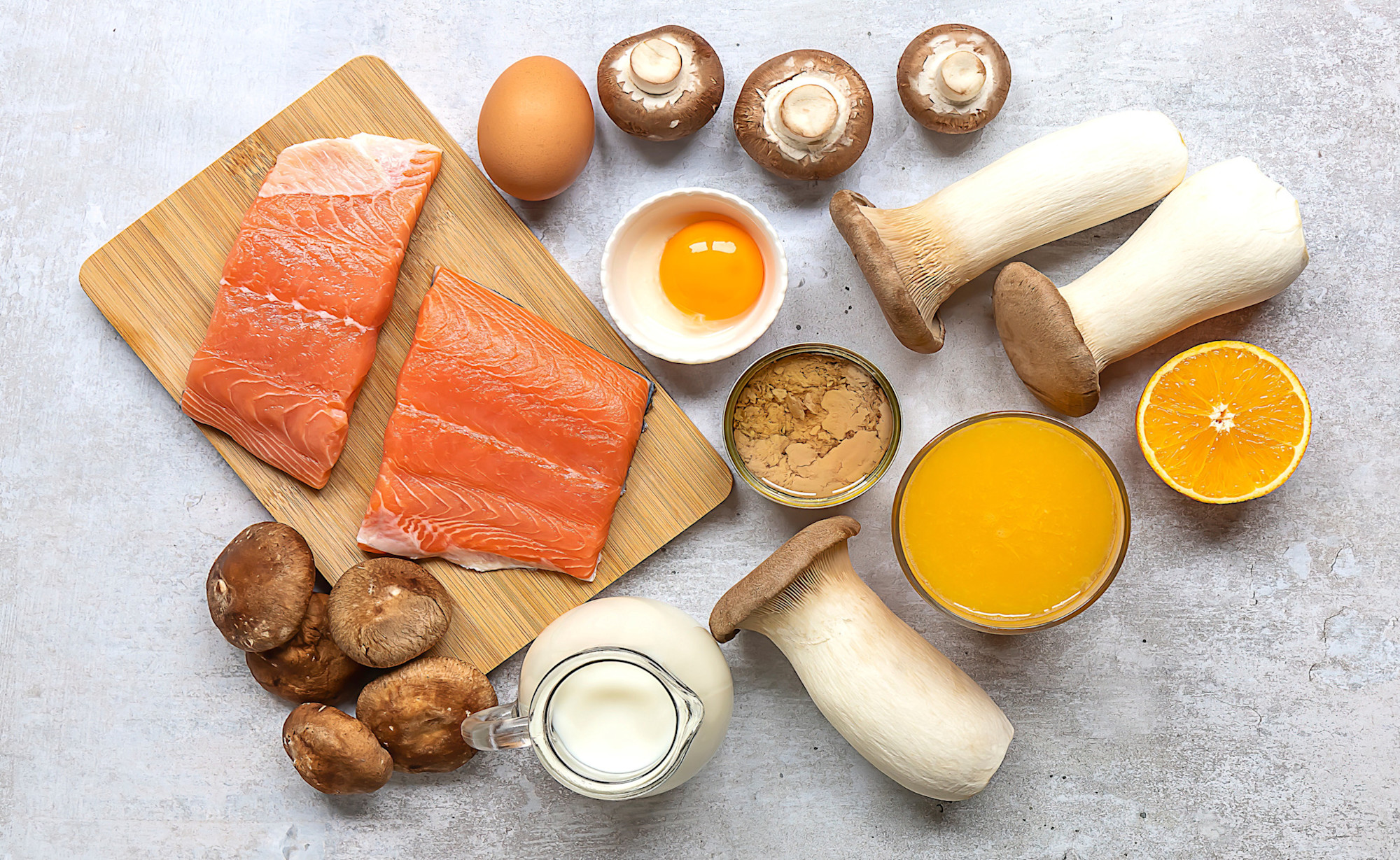
Vitamin D plays an essential role in bone health, immunity, and mood, yet many people in the UK don’t get enough, especially during the darker months. While sunlight is the main source, certain foods can also help to boost your levels naturally. In this article, we explore vitamin D foods you might not expect and how to include them in your diet.
by Josh Alderman
Diet and nutrition
Vitamin C: benefits, sources, and deficiency
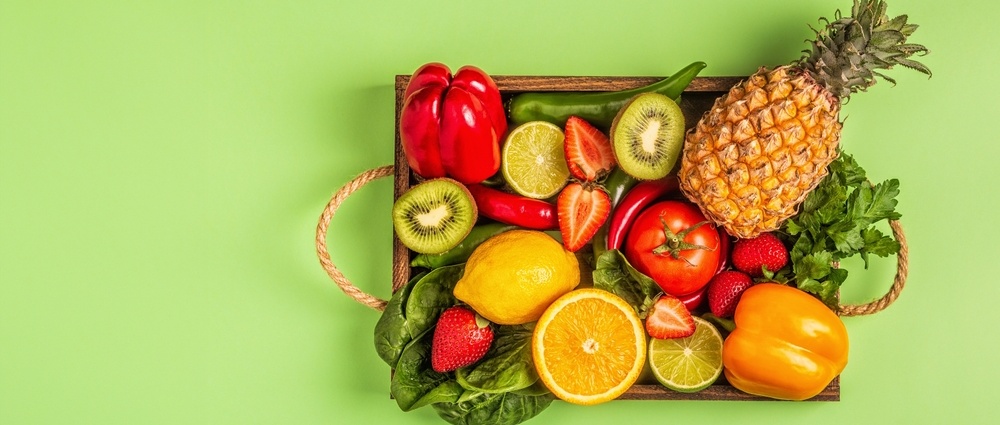
Most of us know vitamin C is good for us, but do you know all the ways that this essential nutrient benefits your health? Here you can find out how easy it is to get enough vitamin C, as well as what happens when you consume too little and too much.
by Lynn Stephen
About the authorView full bio

Dr Carrie Ruxton, PhD, Child Nutrition
Dietitian and Health Writer
PhD, Child Nutrition
Dr Carrie Ruxton qualified as a Dietitian at Queen Margaret University, Edinburgh, before gaining a PhD in Child Nutrition.
About the reviewerView full bio

Dr Sarah Jarvis
Clinical Consultant
MA (Cantab), BM, BCh (Oxon), DRCOG, FRCGP, MBE
After training in medicine at Cambridge and Oxford, Dr Sarah Jarvis MBE became a GP.
Article history
The information on this page is peer reviewed by qualified clinicians.
Article also available in English, German, Spanish, French, Italian, Portuguese, Hindi, Hebrew, Arabic, and Swedish.
22 Aug 2018 | Originally published
Authored by:
Dr Carrie Ruxton, PhD, Child NutritionPeer reviewed by
Dr Sarah Jarvis
Join the conversation
Share your thoughts or experiences with others in our patient communities.

Ask, share, connect.
Browse discussions, ask questions, and share experiences across hundreds of health topics.

Feeling unwell?
Assess your symptoms online for free
Sign up to the Patient newsletter
Your weekly dose of clear, trustworthy health advice - written to help you feel informed, confident and in control.
By subscribing you accept our Privacy Policy. You can unsubscribe at any time. We never sell your data.
More in diet and nutrition
- 6 deliciously healthy berries and recipes
- 7 cacao benefits: is raw chocolate best?
- A vegan diet improves heart health, according to a study of identical twins
- Can a plant-based diet improve your migraines?
- Coeliac disease diet sheet
- Do 'superfoods' really exist?
- Do gummy vitamins work?
- Does my diet really affect my immune system?
- How much water should you drink a day?
- How to avoid iron deficiency
- How to have a healthier barbecue
- How to manage food guilt over Christmas
- The keto diet: what is it and does it work?
- Vitamin B12 deficiency signs you need to know
- Vitamin D could cut risk of dying from cancer
- Wegovy diet: Foods to eat and avoid
- What are the benefits of vitamin D?
- What is intuitive eating - and can it improve your relationship with food?
- What is the anti-inflammatory diet?