
¿Puede el consumo de suplementos ayudar a controlar la diabetes?
Revisado por pares por Dr Colin Tidy, MRCGPÚltima actualización por Victoria RawÚltima actualización 2 Mar 2026
Cumple con las directrices editoriales
- DescargarDescargar
- Compartir
- Language
- Discusión
- Versión en audio
Según Diabetes UK, algunas personas con diabetes creen que ciertas vitaminas y suplementos pueden ayudar a controlar sus niveles de azúcar en sangre. Aunque no deben ser un sustituto del tratamiento convencional, aquí hay un vistazo a algunos de los suplementos más comúnmente utilizados y sus supuestos beneficios.
¡Inscríbete en nuestro curso gratuito de Diabetes de 10 semanas!
Cada semana, exploraremos un tema diferente para ayudarte a comprender y manejar mejor tu diabetes, incluyendo la vida cotidiana y los medicamentos, el bienestar mental, lo último en tecnología para la diabetes y la nutrición.
Al suscribirte aceptas nuestros Política de Privacidad. Puedes darte de baja en cualquier momento. Nunca vendemos tus datos.
En este artículo:
Diabetes is a condition that makes your blood sugar (glucose) too high. This happens when your pancreas produces little or no insulin - a hormone crucial for regulating blood sugar levels.
There are two types of diabetes:
Tipo 1 - your body makes very little insulin or no insulin at all.
Tipo 2 - your body either produces too little insulin, or your tissues are not sensitive enough to insulin's effects.
Managing and treating diabetes requires a combination of healthy eating, regular exercise, and medicine - including insulin. Vitamins and supplements are becoming increasingly popular as complementary additions alongside tried and tested diabetes treatments. However, there is limited research - and no solid evidence - to confirm their beneficial effects on diabetes management.
Diabetes
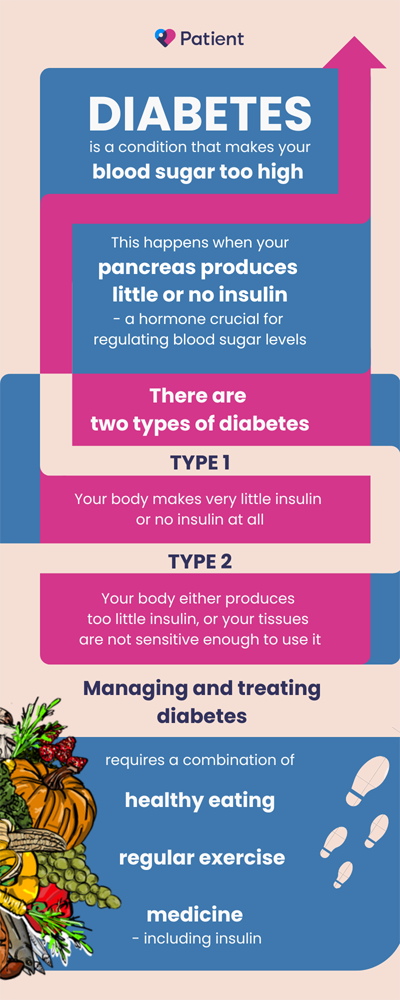
Gráfico: Ben Hudson
Continúa leyendo abajo
Supplements and vitamins for diabetes
Pharmacist and nutritional therapist Deborah Grayson, Practice With Confidence, says that any supplement that increases the sensitivity of your body to insulin, or lowers your blood sugar levels, may interact with diabetes medicines.
This could lead to poorer blood sugar control, and could even make complications arising from diabetes worse.
Grayson recommends you seek advice from your doctor, pharmacist, or a registered nutritional therapist before taking supplements alongside your conventional diabetes medicine.
Vitamin B12
Vitamin B12 is often depleted when taking metformin to control type 2 diabetes. A deficiencia de vitamina B12 can lead to issues with memory and peripheral neuropathy - a condition that affects the nerve signals between your brain and spinal cord.
Grayson dice: "Getting a blood test to check your vitamin B12 levels is recommended if you suspect this may be the case."
Magnesio
Low levels of magnesium are often linked to higher blood sugar levels in people with diabetes. For this reason, magnesium is thought to help insulin function better.
Grayson dice: "Magnesium supplementation can lower blood pressure and cause diarrhoea, depending on the form in which it is taken. Metformin - a medicine used in the treatment of diabetes - can impact the absorption and retention of magnesium, especially if it's causing diarrhoea."
Zinc
Zinc is believed to boost insulin production, and improve its interactions with your body's cells. It may also reduce inflammation, and protect your pancreas - the organ that makes insulin.
Grayson dice: "Despite these reported benefits, there's a chance that zinc could cause nausea in some people. It can also prevent the absorption of medicine - including antibiotics and thyroid treatment. It should be taken at least 2 hours before or after antibiotics, and 4 hours before or after thyroid medicine."
Selenium
A powerful antioxidant, selenium is thought to safeguard your pancreas from damage, enhancing its ability to produce enough insulin.
Grayson dice: "Selenium can be toxic if taken over the recommended daily dosage - a maximum of 200 micrograms."
Vitamina D
Deficiencia de vitamina D has been linked to an increased chance of developing type 2 diabetes. Vitamin D is made by your body in the summer, but you may need to take a supplement during the winter.
Vitamina C
Vitamina C may have a positive effect on blood sugar control and insulin sensitivity. It could also lower inflammation and oxidative stress which could contribute to the development of type 2 diabetes.
Grayson warns that having too much vitamin C can lead to diarrhoea - especially at doses of 1 gram or higher.
Inositol
Inositols are compounds that improve insulin sensitivity and play a role in regulating human reproduction.
Myo-inositol is a supplement that works in a similar way to metformin. It decreases glucose absorption in your digestive system and enhances glucose transport into cells by improving insulin sensitivity.
Grayson says: "Myo-inositol can increase your likelihood of hipoglucemia. It can also cause digestive upset - such as diarrhoea and bloating."
Berberine
Berberine may increase insulin secretion, and reduce glucose production in your liver, and fat storage.
Grayson dice: "Berberine can heighten your chance of hypoglycaemia, and is also blood thinning. It should not be taken if you're on any medicine to thin your blood."
Alpha lipoic acid
Alpha lipoic acid may safeguard the beta-cells in your pancreas which are vital for insulin production.
Grayson adds it could also help your blood sugar reach these cells to reduce insulin resistance, improve blood glucose control and minimise your likelihood of diabetes complications.
Grayson dice: "Alpha lipoic acid can cause hypoglycaemia, is blood thinning and can affect thyroid hormone levels."
Gymnema
Research suggests that Gymnema can hinder sugar cravings, lower high blood sugar levels, and support weight loss.
Grayson dice: "Gymnema may cause hypoglycaemia and also may interfere with how your liver breaks down medicine. Check with a healthcare professional to make sure your medicine will not be affected."
Chromium
Chromium may boost insulin sensitivity and help maintain blood sugar control.
Grayson says: "Chromium is relatively safe to take in dosages of 100-200 micrograms."
Other treatments for diabetes
Volver al contenidoMedicina
Personas con diabetes tipo 1 need to take insulin - either through injections or an insulin pump. This helps manage blood sugar levels and reduces your chance of serious short and long-term complications.
Personas con diabetes tipo 2 will be encouraged to adopt healthier lifestyle changes. If this is not enough, medicine will be recommended.
Grayson highlights some of the most commonly prescribed treatments:
Metformina - slows glucose absorption, reduces liver glucose production, and improves insulin sensitivity.
Sulfonilureas - the most common drug in this class is gliclazida, which boosts insulin production and release from the pancreas, with hypoglycaemia as a potential side effect.
DPP-4 inhibitors - include sitagliptina y linagliptina, which increase insulin and reduce liver glucose production in response to high blood sugar.
SGLT2 inhibitors - also known as gliflozins, such as dapagliflozin, these drugs help remove excess glucose through your pee, and may reduce the chance of kidney damage in type 2 diabetes.
GLP-1 analogues - medicines such as semaglutide y dulaglutide mimic a natural protein that helps the body control blood sugar. GLP-1 analogues are usually given by injection.
A healthy diet
Diabetes UK says that by eating a balanced diet, most people can get all the nutrients they need without extra dietary supplements.
Grayson agrees that healthy eating is vital for keeping your body running smoothly - especially if you have diabetes.
"When thinking about diet with diabetes, it is important to minimise your chance of a spike in blood sugar by choosing complex carbohydrates," she advises. "Opt for whole grains instead of pasta, rice, bread and cakes which are full of simple starches that cause blood sugar to rise quickly."
Eating a balanced proportion of complex carbohydrates with sufficient protein and healthy fats helps keep blood sugar stable longer and increases fullness.
"If you have a sweet treat, then make sure it is at the same time as a well-balanced meal to minimise the impact on your glucose levels," Grayson recommends. "Limit your number of treats to one or two a week."
El ejercicio regular
Regular exercise also helps improve insulin sensitivity and stabilise your blood sugar.
Grayson dice: "A 30-minute walk a day can help get your blood sugar under control. Combining this with better-balanced meals can also support weight management to reduce your chance of diabetes complications."
Selecciones del paciente para Diabetes mellitus
Diabetes
Lo que debes saber sobre el agotamiento por diabetes
Manejar la diabetes es un trabajo de tiempo completo. Implica un ciclo continuo de monitoreo de azúcar en sangre, manejo de medicamentos y planificación proactiva. Como muchos desafíos en la vida, la necesidad constante de monitorear esta condición de salud puede llevar al agotamiento si no tomas medidas para reconocerlo, abordarlo y prevenirlo. En este Día Mundial de la Diabetes, destacamos la importancia del autocuidado, el apoyo y encontrar los recursos adecuados si vives con diabetes.
por Victoria Raw

Diabetes
How to snack when you have diabetes
Everyone needs to snack sometimes. But if you have diabetes, it's important to choose something that won't have a big effect on your blood sugar levels. Managing diabetes and snacking doesn't have to be a challenge. We explore the best snacks for those with type 1 and type 2 diabetes and how to avoid hypos.
por Victoria Raw
Historial del artículo
La información en esta página es revisada por pares por clínicos calificados.
Next review due: 2 Mar 2029
2 Mar 2026 | Última versión
4 Dic 2024 | Publicado originalmente
Escrito por:
Victoria Raw

Pregunta, comparte, conecta.
Navega por discusiones, haz preguntas y comparte experiencias en cientos de temas de salud.

¿Te sientes mal?
Evalúa tus síntomas en línea de forma gratuita
Suscríbete al boletín de Patient
Tu dosis semanal de consejos de salud claros y confiables, escritos para ayudarte a sentirte informado, seguro y en control.
Al suscribirte aceptas nuestros Política de Privacidad. Puedes darte de baja en cualquier momento. Nunca vendemos tus datos.