Are any coronavirus home remedies safe or effective?
Peer reviewed by Dr Sarah JarvisAuthored by Sally TurnerOriginally published 18 Jun 2020
Meets Patient’s editorial guidelines
- DownloadDownload
- Share
- Language
- Discussion
- Audio Version
- Add to preferred sources on Google
The internet is rife with unproven home remedies for COVID-19. We look at some of them and uncover what works, what doesn't and what is downright dangerous.
Use Patient's coronavirus checker tool if you have any symptoms of fever, a new cough or loss of smell or taste. Until you have used the tool and been advised what action to take, please stay at home and avoid contact with other people.
If you or someone you care about come down with coronavirus (COVID-19), it's natural to want to do whatever you can to speed up the recovery process. But whilst it's tempting to Google miraculous claims and 'cure alls', it's vital to check your facts and follow medical advice before trying an alternative approach.
Proceed with caution
Just because a product or practice is labelled as natural, herbal or antiviral doesn't necessarily mean it's safe. And mega-dosing or misusing substances purported to fight infection can be dangerous.
The level of misinformation on coronavirus is so widespread that the World Health Organization (WHO) has published a response. It busts some of the common myths that have been circulating about unconventional treatments. These include adding large amounts of pepper to your food, ingesting disinfectant, excessive alcohol consumption and subjecting yourself to excessively high or low temperatures. None of these so-called 'cures' will kill coronavirus and most are likely to do you serious harm.
Other potentially dangerous antiviral treatments doing the rounds include inhaling iodine vapour through a salt pipe and ingesting colloidal silver. Both can be toxic when absorbed by the body. Iodine vapour is also intensely irritating to mucous membranes. It can cause tightness of the chest, and headaches, and adversely affect the lungs and nasal membranes.
Michael Head is a senior research fellow in global health, at the University of Southampton. "Colloidal silver can cause your skin to turn a blue-grey colour (argyria)," he adds. "Misinformation can be very dangerous. Be very wary of individuals making claims that are not recommended by the NHS or a widely recognised professional body or society."
What is safe to try?
There is currently no specific medical treatment for coronavirus (COVID-19). However, you can relieve symptoms at home using standard medical treatments if you have mild to moderate illness. Getting plenty of sleep, eating healthily and managing stress levels can also help your body fight the infection.
Some less controversial home remedies might also be worth a try.
Paracetamol vs ibuprofen
At the beginning of the pandemic, news reports suggested that anti-inflammatory painkillers, such as ibuprofen, may make coronavirus worse. Current government guidance is that it is safe to take, although Dr Alex Standring, a GP at Dr Morton’s - the medical helpline, urges caution.
"Although the evidence is that ibuprofen is safe, I'd suggest taking paracetamol if you have a fever linked to COVID-19. It is less likely to interact with other medications ," she says.
Head adds, "The initial concerns around ibuprofen appear to have been unfounded, and indeed there is research ongoing to see if ibuprofen is in fact effective in treating COVID-19 patients."
A new form of ibuprofen may well be useful in the later stages of COVID-19 infection. Scientists in London are currently testing whether a particular type of ibuprofen called Flarin can help COVID-19 patients. The drug is produced differently to standard ibuprofen and protects the stomach. It may help patients avoid respiratory failure and the need for aggressive intervention such as ventilation. The LIBERATE trial is being led by Dr Richard Beale and is a collaboration between London's Guy's and St Thomas' NHS Foundation Trust, King's College London and SEEK, a proprietary drug research firm.
Vitamins and minerals
There's plenty of evidence that nutrients from the food we eat can support the immune system, helping to prevent infection and aid recovery. Vitamins B6, C, D and zinc help keep invaders out and support the production of immune cells and antibodies.
"We don't have any real evidence that vitamin supplements are effective specifically against COVID-19 or other viruses," says Standring, "But certainly being seriously depleted in vitamins and minerals will adversely affect health.
"Some colds may be due to coronaviruses, and zinc has been shown to reduce the duration of colds," she continues. "Also, many people in the UK are likely to be deficient in vitamin D, as we need plenty of sunlight to produce it naturally. So supplementing vitamin D, particularly during the winter months, might be worthwhile for some." UK guidance, changed since the COVID-19 pandemic, now recommends that everyone over 1 year old consider a daily 10 microgram vitamin D supplement.
Some 'alternative health' websites suggest that taking vitamin C to bowel tolerance levels (until you get diarrhoea) is an effective means of flushing a virus out of the body.
"Vitamin C is unlikely to be harmful in higher doses," says Standring, "It's water-soluble and just comes straight out in your urine. But whether it helps to take more than the recommended daily amount is still unclear."
Head says there is no evidence of any protective or beneficial effects from vitamin C. "And whilst the associations between vitamin D and COVID-19 are interesting, we solely have correlations, and not yet any evidence of causation," he says.
Interestingly, a China-based clinical trial is determining whether mega doses of vitamin C can help counter COVID-19-related pneumonia. The study, which uses doses of up to 24 grams a day, will publish its results in September.
Herbs and food supplements
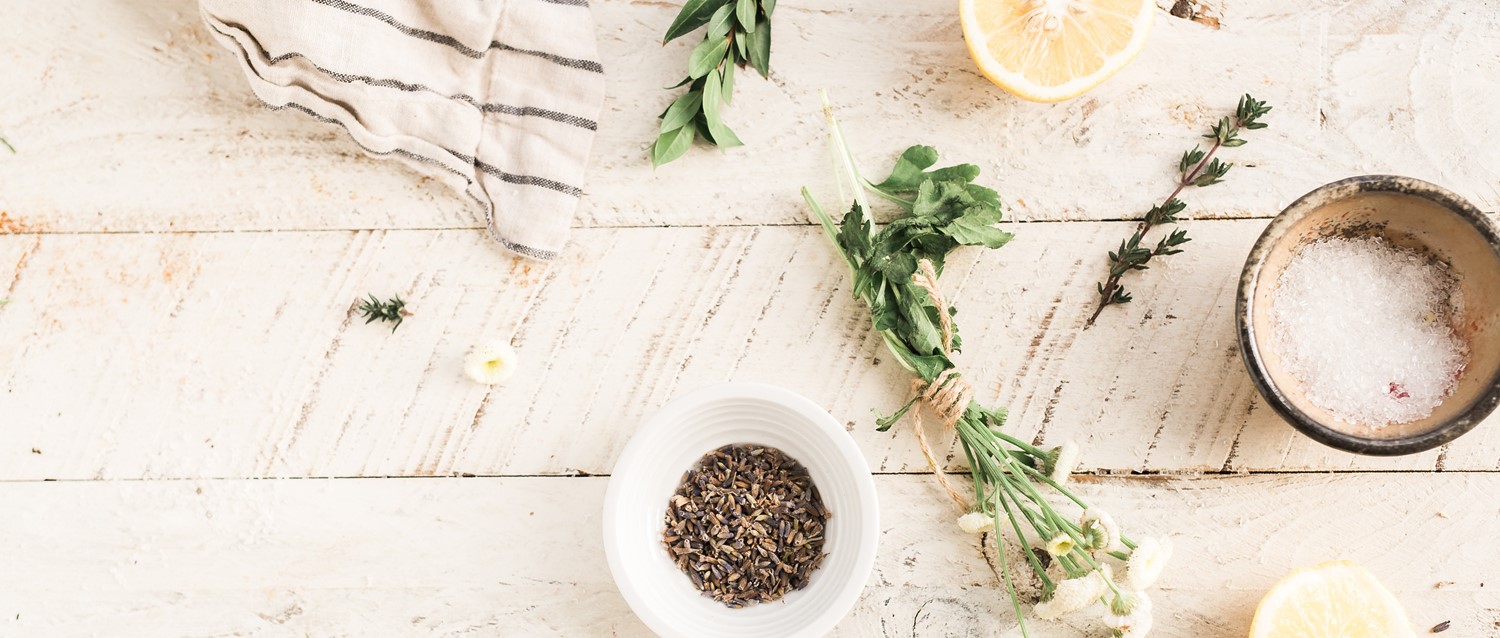
Herbs and spices such as garlic, ginger, echinacea and turmeric have long been used to treat infections. Garlic contains allicin, a compound which helps immune cells to fight off microbial invaders.
"Garlic is great for the gut microflora as a prebiotic," says Standring. "It can support good gut bacteria which in turn support the immune system, but I wouldn't go consuming massive amounts!"
Head also suggests an age-old remedy for a sore throat. "Gargling or a teaspoon of honey are within NHS guidance for relief of symptoms like a sore throat. It should be noted they will not kill the virus itself, but can help to make the patient a little more comfortable."
A research study using herbs to treat COVID-19 is currently underway in the USA, headed up by Jeffrey Langland, a virologist and assistant research professor at Arizona's Biodesign Center for Immunotherapy, Vaccines and Virotherapy. But the results are not expected for some months.
"The evidence just isn't there yet for using herbs to treat serious infections," says Sandring. "Even if some are shown to have a positive effect, it's the potentially dangerous side effects and toxicity that are the issue."
Regaining your sense of smell after COVID-19
Loss of smell and taste is now included on the official list of COVID-19 symptoms. If you've lost your sense of smell after a coronavirus infection and are concerned, it's worth trying 'smell training' at home, advises Standring.
"We think COVID-19 and other coronaviruses damage the nerve endings in the nose in some people," she explains. "The 'smell training' can help to restore normal function. Organisations such as Abscent teach you how to do this by using essential oils to re-awaken your smell sensors."
In general, people can expect to recover their sense of smell and taste within a couple of weeks of recovering from a coronavirus infection.
"And for those with longer-term issues, the experience with other viruses suggests two thirds will get their sense of smell and taste back within a year or so which is good news," adds Standring.
Patient picks for Vaccination, tests and treatment

COVID-19
Should children get the COVID-19 vaccine?
Around the world, some countries have been opening up their vaccination programmes to under-18s. With the vaccination programme in the UK continuing apace, the Government is still considering whether to follow suit. But with children seemingly less susceptible to the virus - and with just 25 under-18s dying in the whole of the UK in the first year of the pandemic - would this be the right call?
by Gillian Harvey
COVID-19
The latest treatments for COVID-19
As England continues through its second coronavirus lockdown and infection numbers across the globe are climbing, researchers are working tirelessly to find the best treatment for COVID-19. There are currently hundreds of treatments being trialled in a bid to curb the spread of the virus and save lives.
by Andrea Downey
About the authorView full bio

Sally Turner
Freelance Journalist
BA Media Production
Sally Turner is a writer and broadcaster specialising in sexual health and women’s issues.
About the reviewerView full bio

Dr Sarah Jarvis
Clinical Consultant
MA (Cantab), BM, BCh (Oxon), DRCOG, FRCGP, MBE
After training in medicine at Cambridge and Oxford, Dr Sarah Jarvis MBE became a GP.
Article history
The information on this page is peer reviewed by qualified clinicians.
Article also available in English, German, Spanish, French, Italian, Portuguese, Hindi, Hebrew, Arabic, and Swedish.
18 Jun 2020 | Originally published
Authored by:
Sally TurnerPeer reviewed by
Dr Sarah Jarvis
Join the conversation
Share your thoughts or experiences with others in our patient communities.

Ask, share, connect.
Browse discussions, ask questions, and share experiences across hundreds of health topics.

Feeling unwell?
Assess your symptoms online for free
Sign up to the Patient newsletter
Your weekly dose of clear, trustworthy health advice - written to help you feel informed, confident and in control.
By subscribing you accept our Privacy Policy. You can unsubscribe at any time. We never sell your data.
More in cOVID-19
- Coping with anxiety around COVID-19 uncertainty
- COVID-19: how to stay safe at work
- COVID-19: Should vulnerable people shield because of Omicron?
- COVID-19: What is herd immunity and will we ever reach it?
- COVID-19: when do experts predict life will return to normal?
- COVID-19: When should you do a lateral flow test and when should you do a PCR?
- How has the COVID-19 pandemic affected access to contraception?
- How have Brits neglected their oral health during the pandemic?
- How to ventilate safely to protect against COVID-19 this winter
- Long COVID: What are the symptoms and treatment?
- Not quite 'back to normal': a guide to post-pandemic family healing
- Shielders: how can vulnerable people stay safe as restrictions end?
- Should you be worried about the Indian COVID-19 variant?
- Test and trace: how does it work?
- What are the symptoms of the COVID-19 variant Pirola?
- What we know about the new COVID-19 variants Eris and Pirola
- When will I get my COVID-19 vaccine?
- Why it's a good thing if you feel unwell after your COVID-19 booster jab
- Will we need a COVID-19 booster vaccine every year?