Do any natural cold remedies work?
Peer reviewed by Dr Colin Tidy, MRCGPLast updated by Lynn StephenLast updated 23 Jan 2026
Meets Patient’s editorial guidelines
- DownloadDownload
- Share
- Language
- Discussion
- Audio Version
- Add to preferred sources on Google
This winter many of us find ourselves fighting off well-known cold symptoms, including a sore throat, a runny nose, coughing, and blocked sinuses. We explore the natural cold remedies you can use at home - and ask how well they work.
Whilst a common cold can leave you feeling under the weather, you can usually treat it at home without seeing a doctor.
Advice from the National Institute for Health and Care Excellence (NICE) and Public Health England (PHE) advises the public to buy self-care products from the pharmacy, instead of expecting antibiotics - as these are of no use for common colds because they don't kill viruses.
Natural cold remedies
Dr Sara Kayat, GP, says that when it comes to natural cold remedies, there's lots of anecdotal advice out there about how to manage colds.
"Some remedies do have a medical basis to them, and others less so," she says.
So, what natural cold remedies do we tend to reach for, and is there any evidence that they work?
Echinacea
This herbal remedy has traditionally been the treatment of choice for treating colds over the winter months. It is believed that the herb boosts the immune system by increasing white blood cells which fight infections and reduces many of the symptoms of a cold. However, Kayay explains that the evidence is mixed as to whether it works.
For example, one review of 16 trials found that some showed that echinacea may reduce the length of time colds last and relieve symptoms - while others showed it did not work.1 However, a more recent, smaller study looking at echinacea tablets in children found them to shorten the length of colds.2
Kayat adds: "More robust research is needed before the effects of echinacea on preventing or treating colds can be concluded."
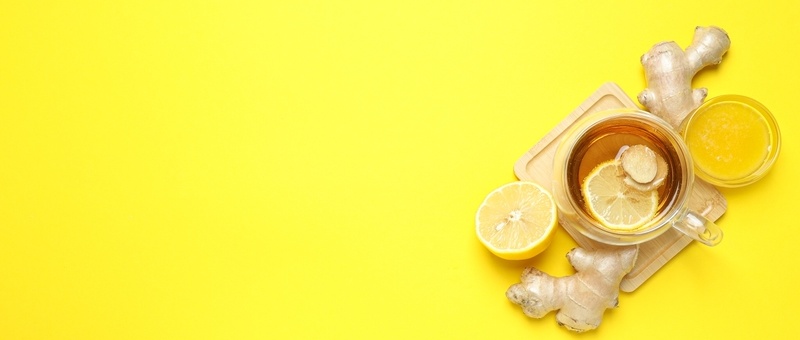
Honey and lemon
Lemon and honey may work in a number of ways.
"Firstly, you are taking in fluids, which is important when you are ill," says Kayat. "Secondly, you are also getting vitamin C from the lemon. Several studies show that vitamin C can reduce the duration and severity of a common cold.
"Thirdly, the honey may offer a boost of energy and a soothing element for a sore throat."
She adds that honey is also thought to have antibacterial properties, although this may not be helpful in a viral infection. If you heat the lemon and honey, the steam may also offer some help in reducing the congestion.
Ginger
Ginger has been used for medicinal purposes for centuries and is thought to soothe many ailments due to its active compounds, which include gingerols and shogaols. Studies have shown that these compounds have anti-inflammatory and pain-relieving properties, which may help reduce symptoms, including a sore throat.
"Ginger does have some anti-inflammatory properties, which may help with the symptoms of the common cold," advises Kayat.
Garlic
In theory, garlic has antimicrobial and antiviral properties that may help the immune system fight viral infections and relieve the common cold. However, according to Kayat, the evidence for the use of garlic in managing a cold is limited.
If you have a bleeding disorder, take blood thinning medicine, or are pregnant then garlic supplements should be avoided because it may increase the chance of bleeding.
Zinc
Zinc is an essential mineral which your body doesn't make on its own. There is some evidence to suggest that taking zinc within 24 hours of a cold starting will reduce its duration and severity.
Dr Riccardo Di Cuffa, GP, says that if you have a healthy balanced diet then additional zinc should not be required.
"Foods rich in zinc include nuts, seeds, eggs, dairy products such as cheese, meat, and whole grains," he says. "Too much zinc can be harmful so be careful with supplements as some people report unpleasant side-effects."
Menthol
Menthol, which is included in many over-the-counter-medicines, is the essential oil that comes from mint plants. Di Cuffa advises that there is limited medical evidence that menthol is effective at easing congestion. Some people do find it relieves blocked sinuses and congested airways making you more comfortable and able to breathe more freely.
He says: "It can be applied to your skin or pillow with a rub purchased from pharmacists or inhaled via a humidifier or hot water steam inhalation over a sink, by adding a few drops of essential oil.
"But don't apply essential oils directly to your skin as they can irritate and cause a reaction."
Vitamin D
There is evidence to suggest that vitamin D is useful for preventing a cold. Di Cuffa explains that your body gets vitamin D from certain foods - such as eggs, oily fish and red meat - and from skin exposure to sunlight. However, levels in most foods are low, and vitamin D formation in the skin doesn't happen in the UK between October and April, as the sun isn't strong enough.
Di Cuffa says: "The evidence is not conclusive, but vitamin D may help with a cold as a good immune system support. It’s generally agreed that most people should get enough vitamin D from their diets in the spring and summer months, but that you should take a supplement during the autumn and winter months in the UK."
If you're concerned, speak to your doctor to get advice. Certain groups, including pregnant women, over-65s, and anyone who is housebound or who covers up for religious reasons, should take a supplement all year round.
Probiotics
Probiotics can have health benefits during periods of illness and can help keep your gut healthy.
Di Cuffa explains that your immune system is linked to your gut, so a healthy gut will generally mean a healthier immune system.
He explains: "Probiotics are live bacteria that can be found in yoghurt and other fermented foods - for example, pickle, kefir and some cheeses."
You can also buy a wide variety of probiotic supplements.
Speeding up your recovery when you're under the weather
According to Kayat, the best way to manage a common cold is to let it run its course.
"If you need to rest, rest," she says. "But if you feel well enough to get up and go for a walk, there is evidence to suggest that light exercise may boost your immune system."
She recommends staying hydrated by drinking plenty of water. A balanced diet, and foods high in antioxidants such as vitamin C and omega 3, will also boost your immune system.
Patient picks for Viral infections
Infections
What is HMPV and should we be worried?
If you've noticed a virus called HMPV popping up in your news feeds lately, it's likely due to a recent rise in infections. These cases tend to increase during winter and early spring, making now the perfect time to stay informed. Here's a quick snapshot of HMPV, its symptoms, and whether you should be concerned.
by Victoria Raw
Children's health
Should your child get the chickenpox vaccine?
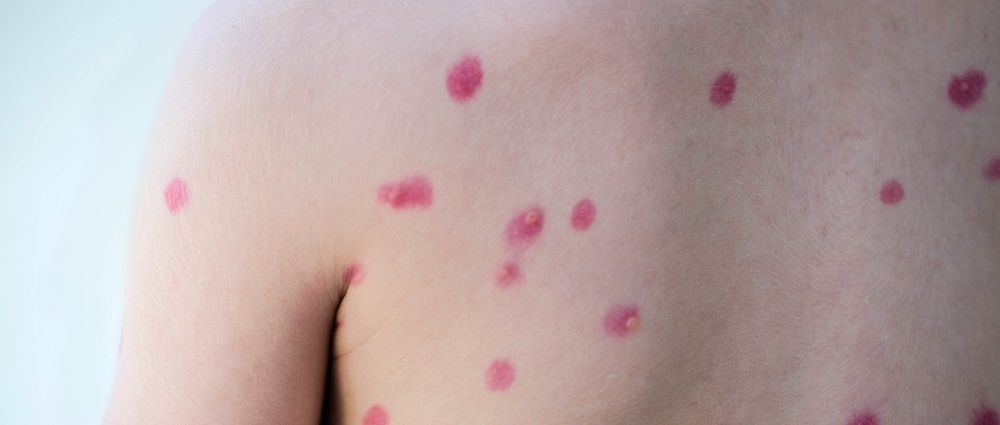
Many of us will remember having chickenpox as a child. The itchy red spots were almost impossible to stop scratching, but doing so could lead to scarring. In an attempt to soothe the itch, parents would douse us in calamine lotion and oatmeal baths. But now, instead of catching the virus to provide immunity, there’s another route parents can choose - the chickenpox vaccine.
by Lydia Smith
Further reading and references
- Linde K, Barrett B, Wolkart K, et al; Echinacea for preventing and treating the common cold. Cochrane Database Syst Rev. 2006 Jan 25;(1):CD000530. doi: 10.1002/14651858.CD000530.pub2.
- Weishaupt R, Bachler A, Feldhaus S, et al; Safety and Dose-Dependent Effects of Echinacea for the Treatment of Acute Cold Episodes in Children: A Multicenter, Randomized, Open-Label Clinical Trial. Children (Basel). 2020 Dec 15;7(12):292. doi: 10.3390/children7120292.
About the authorView full bio

Karen Gordon
Freelance Journalist
NCTJ
Karen is an NCTJ-qualified freelance journalist with a special interest in health.
About the reviewerView full bio

Dr Colin Tidy, MRCGP
General Practitioner, Medical Author
MBBS, MRCGP, MRCP (Paediatrics), DCH
Dr Colin Tidy is an NHS Doctor, based in Oxfordshire.
Article history
The information on this page is peer reviewed by qualified clinicians.
Article also available in English, German, Spanish, French, Italian, Portuguese, Hindi, Hebrew, Arabic, and Swedish.
Next review due: 23 Jan 2029
23 Jan 2026 | Latest version
22 Oct 2019 | Originally published
Authored by:
Karen Gordon
Join the conversation
Share your thoughts or experiences with others in our patient communities.

Ask, share, connect.
Browse discussions, ask questions, and share experiences across hundreds of health topics.

Feeling unwell?
Assess your symptoms online for free
Sign up to the Patient newsletter
Your weekly dose of clear, trustworthy health advice - written to help you feel informed, confident and in control.
By subscribing you accept our Privacy Policy. You can unsubscribe at any time. We never sell your data.
More in infections
- 9 ways to get rid of a UTI
- Can a pharmacist prescribe antibiotics?
- Flu, colds and fever videos
- Scientists identify a mechanism to 'neutralise' HIV
- Shingles myths you should stop believing
- Should schools or parents be fighting nits?
- Should you and your family get the meningitis vaccination?
- What causes blood in urine?
- What is freshers' flu and how long does it last?
- What is Hantavirus? Everything you need to know about this rare but serious virus
- What is HMPV and should we be worried?
- What is the difference between HIV and AIDS?
- What to do if you have an infected ingrown hair
- What to eat when you have gastroenteritis
- What you need to know about HPV
- What you need to know about pneumonia
- Where does a fear of vaccines come from?
- Where to get your flu jab this year
- Why wasn't I prescribed antibiotics?
- Will a UTI go away on its own?