Does hormonal contraception affect fertility after you stop taking it?
Peer reviewed by Dr Sarah JarvisAuthored by Lydia SmithOriginally published 6 Aug 2019
Meets Patient’s editorial guidelines
- DownloadDownload
- Share
- Language
- Discussion
- Audio Version
- Add to preferred sources on Google
Many of us use contraception for years, so we can have more control over our lives and decide if and when we want to get pregnant. If you have decided you want to start trying for a baby though, it can leave many questions unanswered. Is there usually a delay in your fertility returning? And is there anything you can do to make it come back faster?
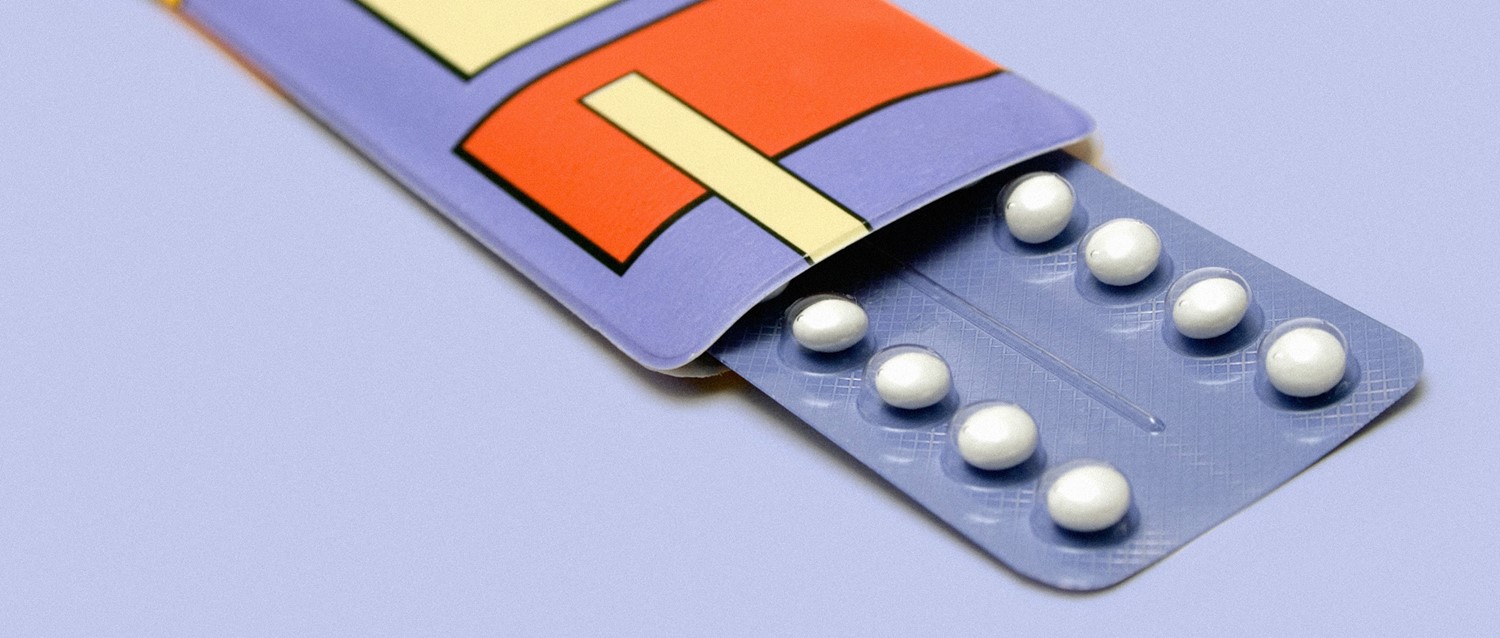
The contraceptive pill
"There are two different types of oral hormonal contraception available in the UK: the progestogen-only pill which, as the name indicates, contains only one type of hormone, and the combined pill, which contains two different types of hormones (oestrogen and progestogen)," says Dr Asha Kasliwal, president of the Faculty of Sexual and Reproductive Healthcare (FSRH).
"There is no evidence suggesting a delay in the return of fertility following discontinuation of the progestogen-only pill," she adds. "Guidelines by the Faculty of Sexual and Reproductive Healthcare recommend that other contraceptive methods should be used immediately following discontinuation of the progestogen-only pill if women wish to avoid unplanned pregnancies."
The same is true of the combined pill, Kasliwal explains. "Women who would like to get pregnant after stopping the combined pill should be advised that after stopping there is no significant delay in return to fertility, and that conception rates are comparable to those among women stopping other contraceptive methods or using no contraception."
Most women will have a period around two to four weeks after stopping the pill, but this can depend on your natural cycle and other factors, such as stress, your weight and conditions such as polycystic ovary syndrome.
The NHS advises allowing up to three months for your natural menstrual cycle to get going. The first period after coming off the pill is known as a 'withdrawal bleed' - but the next one is your first natural period. It is unlikely that the time you have been on the pill will cause fertility problems. In some cases, women conceive immediately after stopping it.
The hormonal coil
"The levonorgestrel intrauterine device (LNG-IUD) - the hormone coils known as Mirena, Kyleena and Jaydess - release a hormone called levonorgestrel (a progestogen). Once fitted, women don't need to think about repeat prescriptions or anything like that; Mirena and Kyleena will last for five years, and Jaydess, three," says Dr Kasliwal.
According to the NHS, it's possible to get pregnant as soon as the LNG-IUD is removed by a trained doctor or nurse.
"An FSRH guideline states that there is little data available on return of fertility after use of the hormonal coil. Reviews of the evidence suggest no delay in return to fertility," she says. "Women who do not wish to conceive but would like to stop using the hormonal coil should start using another method of contraception for at least seven days before removal."
The copper intrauterine contraceptive device (IUD) - also known as the coil - sits inside the womb (uterus) and works for up to ten years. It does not release hormones and can be taken out at any time by a specially trained doctor or nurse. It is possible to get pregnant straightaway after it is removed.
"You should be fertile straight after the removal of any IUD," says Diane Arnold, fertility nurse at Fertility Network UK. "There is a slight possibility of contracting a bacterial infection while having a copper coil in place, although this is very rare. Any infection could possibly affect the Fallopian tubes and cause blockage, therefore preventing an egg from entering the tube in readiness for fertilisation."
The contraceptive injection
The contraceptive injection lasts for two to three months - depending on the type - and releases the hormone progestogen to prevent pregnancy.
"There are three long-acting injectables available in the UK. The most commonly used is Depo-Provera. We also have Sayana Press and Noristerat," says Kasliwal. "Women need an injection of Depo-Provera and Sayana Press every 13 weeks. For Noristerat, they need one every eight weeks.
"There can be a delay of up to one year for fertility to return when they stop taking Depo-Provera and Sayana Press. It is important that women are informed about how this method affects their fertility so that they can plan their pregnancies accordingly.
"Because return to fertility varies widely from woman to woman and might happen faster to some than others, women wishing to stop contraceptive injectables and avoid unplanned pregnancies should start another contraceptive method before or at the time of their next scheduled injection, even if they have stopped menstruating."
As the injection is long-acting, it can take some time after the last injection for you to become fertile again, but this depends on the individual. Some women may not ovulate for six to eight months after their last injection, but for some, it can take longer. This delay is not related to the length of time you use this method of contraception.
The contraceptive implant
The progestogen-only implant is a small flexible plastic rod placed under the skin in the upper arm. It releases the hormone progestogen into your bloodstream to prevent pregnancy and lasts for three years.
"Women can have the progestogen-only implant removed at any time, and their natural fertility will return very quickly. Women who wish to avoid pregnancy should be advised that contraception is required immediately after implant removal," says Kasliwal.
"There is no need for additional precautions prior to removal of a progestogen-only implant, if the removal occurs no later than three years after insertion."
Contraceptive patch or ring
The contraceptive patch contains oestrogen and progestogen and is stuck on to the skin so the two hormones are continuously delivered to the body to prevent pregnancy.
The vaginal ring is a small soft, plastic ring that you place inside your vagina. It releases a continuous dose of the hormones oestrogen and progestogen into the bloodstream.
"The transdermal patch and the vaginal ring contain two types of hormone, oestrogen and progestogen. The patch goes by the name of Evra in the UK and is worn on the skin. The vaginal ring, NuvaRing, is a small plastic ring inserted inside the vagina. The patch needs to be changed every week, and the ring, 21 days after insertion.
"There is no evidence that use of combined hormonal contraception is associated with subsequent long-term reduction in fertility. As with other combined hormonal methods of contraception, there is no significant delay in return to fertility once women stop using these methods.
"Traditionally, women have had a seven-day hormone-free interval on the fourth week every month, when they have their bleed," says Kasliwal.
"However, new recommendations issued this year by the FSRH highlight that women can safely take fewer or no intervals to avoid monthly bleeds, cramps and other unwanted symptoms, because there is no health benefit from the seven-day hormone-free interval. Evidence suggests that extended use of combined hormonal contraception does not affect fertility once the methods are discontinued."
How to maximise your chances of pregnancy
To maximise your chances of getting pregnant after coming off contraception, there are several things you can do.
Stop smoking and eat healthily
"Women are usually advised to stop smoking and to eat a healthy diet and watch their weight when taking hormonal drugs - good advice at any time," Arnold says.
"Keeping yourself fit with some exercise and eating a healthy diet can only be good while you are trying to get pregnant. Cut right down, or right out, any alcohol; and no smoking."
Visit your GP
Women with certain medical conditions such as diabetes, epilepsy, mental health problems or other hereditary conditions, will benefit from advice before becoming pregnant. It's important to visit your doctor to discuss pregnancy if you have a long-standing medical condition or if you take medication - do not stop any medication without speaking with your GP first.
You GP will also be able to advise you if you have been trying to get pregnant but have not yet conceived. However, this doesn't mean rushing in if you don't get pregnant within a month or two - your GP won't be able to do anything.
"Should you have been actively trying to get pregnant for a year or more after coming off contraception, then you are best to check with your GP in case you need any investigations or a referral to a fertility specialist," Arnold says.
Take supplements
"Remember to take folic acid and vitamin D too," Arnold says. Folic acid is a vitamin which occurs naturally in certain foods, such as broccoli and potatoes, and you need a good supply of folic acid to help a baby's development.
Ideally, you should take folic acid tablets if you are thinking of getting pregnant and continue taking them until at least the 12th week of pregnancy. For most women, the dose is 0.4 mg a day.
Vitamin D is needed for growth and supplements are recommended for all pregnant women. If you are at risk of having a low vitamin D level - for example, if you only go out covered up, or if you eat no oily fish, eggs, meat, or vitamin D-fortified foods - it may be worth starting to build up the level in your body before you become pregnant.
Patient picks for Fertility

Sexual health
Scientists develop sperm separation method for sex selection
Researchers have developed a reversible chemical treatment to separate X and Y sperm in order to choose the sex of offspring.
by Milly Evans

Sexual health
Junk food diet linked to low sperm count
A man's fertility could be irreversibly damaged by eating a diet that's high in junk food, suggests new research.
by Ashwin Bhandari
About the authorView full bio

Lydia Smith
Feature writer
BA, MA, MSc
Lydia Smith is an award-winning journalist and feature writer who has written extensively on women's health and mental health. She is currently studying for an MSc in psychology.
About the reviewerView full bio

Dr Sarah Jarvis
Clinical Consultant
MA (Cantab), BM, BCh (Oxon), DRCOG, FRCGP, MBE
After training in medicine at Cambridge and Oxford, Dr Sarah Jarvis MBE became a GP.
Article history
The information on this page is peer reviewed by qualified clinicians.
Article also available in English, German, Spanish, French, Italian, Portuguese, Hindi, Hebrew, Arabic, and Swedish.
6 Aug 2019 | Originally published
Authored by:
Lydia SmithPeer reviewed by
Dr Sarah Jarvis
Join the conversation
Share your thoughts or experiences with others in our patient communities.

Ask, share, connect.
Browse discussions, ask questions, and share experiences across hundreds of health topics.

Feeling unwell?
Assess your symptoms online for free
Sign up to the Patient newsletter
Your weekly dose of clear, trustworthy health advice - written to help you feel informed, confident and in control.
By subscribing you accept our Privacy Policy. You can unsubscribe at any time. We never sell your data.
More in sexual health
- A chlamydia vaccine has passed initial safety tests
- Contraception videos
- Dispelling common myths about HIV and AIDS
- Does the contraceptive pill increase your risk of blood clots?
- Easy ways to get the pill: options beyond the GP surgery
- HIV in women: what you should know
- How quickly do different STIs spread?
- Is oral sex less risky than intercourse?
- Morning after pill myths debunked
- NewPerimenopause and birth control - how the pill can affect your symptoms
- Scientists identify a mechanism to 'neutralise' HIV
- Should you consider the copper coil for emergency contraception?
- The female reproductive system
- The pros and cons of female condoms
- The truth about getting pregnant after 40
- Video: How does PID affect fertility?
- What is post-birth control syndrome?
- What not to say to someone with HIV
- What to expect when you take the morning after pill
- When will I become fertile again after coming off contraception?