
6 health benefits of swimming
Revisado por pares por Dr Krishna Vakharia, MRCGPÚltima actualización por Emily Jane BashforthLast updated 31 Aug 2022
Cumple con las directrices editoriales
- DescargarDescargar
- Compartir
- Language
- Discusión
- Versión en audio
It's thought that around 14 million people go swimming yearly in England. Indoor swimming continues to be a popular sport with open water swimming on the rise, children typically attend swimming lessons with their schools, and that's not counting the Brits who swim abroad while on holiday. While swimming can be fun, did you know it's actually improving your health at the same time?
En este artículo:
Video picks for Ejercicio y actividad física
Continúa leyendo abajo
What are the benefits of swimming?
Dr Deborah Lee of Farmacia en Línea Dr Fox explains the benefits of swimming and how it's a fantastic form of aerobic exercise that works various areas of the body.
"Aerobic exercise involves using large muscle groups. It stresses the cardiorespiratory system (heart and lungs) to provide sufficient oxygen to exercising muscles. Taking part in regular aerobic exercise has been shown to be protective against the development of enfermedades del corazón, diabetes, y cáncer."
A gentle form of exercise that works various body parts
Volver al contenidoRunning miles on a treadmill isn't everyone's preferred form of exercise, so swimming might be for you if you prefer something that is slower-paced and gentler, but still beneficial. For this reason, swimming is a great exercise for when we get older and adopt a more sedentary lifestyle.
Continúa leyendo abajo
Helps to build muscle
Volver al contenido"Swimming involves pushing against water resistance which, in turn, aids with muscular strength at the same time as exercising the heart and lungs. By doing this, you will be increasing your 'maximal oxygen uptake' - the efficiency of your body in getting oxygen to exercising muscles," says Dr Lee.
Another benefit of swimming is that it can also improve your physical fitness by increasing your endurance and stamina levels, helping you to maintain a healthy weight, toning your muscles, and increasing strength. Since it works your entire body - from your fingertips down to your toes - swimming is a great all-over exercise1.
Aids with weight loss
Volver al contenidoRegular swimming can decrease your body fat levels. Dr Lee explains that swimming uses up more calories than many land-based exercises, such as running.
"The exact amount of calories you will burn depends on your weight but, for example, someone weighing 155 pounds (around 11 stone) will roughly use up between 493 and 704 calories per hour while swimming. If you tend to sweat heavily when exercising, swimming is good as it helps keep you cool."
She adds: "Regular swimming has been shown to reduce visceral fat (abdominal fat) which is dangerous, metabolically active fat. Visceral fat secretes hormones that cause chronic inflammation, a biochemical process that underpins the development of many of the chronic diseases we see today. Reducing the amount of visceral fat is key for good health."
Swimming can also result in favourable changes to your blood lipids (colesterol).
Additionally, swimming is a good exercise if you've gone a long time without working out and want to ease yourself back into exercise. Swimming can ease your risk of cardiovascular disease, hipertensión, type-2 diabetes, y demencia too.
Continúa leyendo abajo
Boosts mental health
Volver al contenidoSwimming regularly can greatly mejora tu salud mental. The exercise helps to combat stress and reduce levels of ansiedad y depresión by raising levels of endorphins (the brain's natural painkillers). This is why you'll often feel calmer and more relaxed post-swim.
In one study conducted by YouGov, 492,000 adults with mental health conditions said they had reduced their number of visits to a medical professional for their mental health as a result of swimming once every 2-3 weeks. Commissioned by Swim England, the poll also found that 490,000 people reduced, or no longer take, medication for mental health because of swimming2.
In fact, just immersing yourself in the water can increase blood flow to the brain, not only boosting your mood but also improving memory, concentration, and general cognitive function. Not to mention that swimming can be a social activity that you can do with friends, reducing loneliness and increasing general motivation in life.
Research also suggests that swimming can reverse brain damage from stress by creating new neurons (a process called hippocampal neurogenesis).
Mejora el sueño
Volver al contenidoIt has long been hypothesised that physical activity like swimming can aid with sleep and improve disorders such as insomnia. And it certainly seems to be a nice way to wind down at the end of the day, given that it doesn't need to be a strenuous activity, you can move at your own pace and it's done in a calm environment.
"Swimming is a great option for improving your sleep. Moderate-intensity exercise has been shown to improve the quality and duration of sleep," says Dr Lee.
Plus, some people just enjoy the sounds of the water. If you're swimming in a private pool or when your local swimming baths are quiet in the evening, the splashing of the water can be soothing and help you decompress.
Relieves pressure on joints
Volver al contenidoGoing swimming isn't going to strain your joints in the same way that weightlifting would.
Dr Lee explains: "When you swim, the water supports the body weight, which relieves pressure on joints. Those with osteoarthritis, or other inflammatory conditions affecting the joints, will find swimming is especially beneficial."
For this reason, swimming is a healthy exercise through middle-to-older age, as it's safe but also offers a wide range of benefits that you might not get from something more physically taxing.
For example, one study of adult women compared the effects of swimming versus walking. The findings indicated that, in the short term, swimming reduced body weight. In the long term, swimming improved body weight and improved body fat distribution in comparison with walking3.
Who might benefit most from swimming?
Volver al contenido"Swimming is a good way of strengthening your core muscles - chest, back, abdominal and pelvic muscles. It can help tone the suelo pélvico. Therefore, swimming can help people with back pain, disc problems, and arthritis, and be a good form of physiotherapy after surgery, including joint replacements. A strong core helps with balance and stamina, can help keep someone mobile, and can help prevent falls.
"Ageing is also linked to loss of muscle, but swimming can help to build this back up. Many people even in middle age have sarcopenia - a relative loss of muscle strength," Dr Lee adds.
Swimming has also been found to be beneficial for those with neurodegenerative conditions, such as multiple sclerosis, or after a spinal injury. It's also recommended for those who are pregnant, people with mental health conditions, and those with Alzheimer's disease3.
Dr Lee explains that the benefit of swimming is for just about everyone of all ages and abilities, provided it is done safely, and you seek advice before venturing into the pool if you have concerns or have recently been diagnosed with a severe health condition.
Lectura adicional
Volver al contenidoPatient picks for Ejercicio y actividad física

Vida saludable
5 maneras de aprovechar al máximo cada paso que das en el camino hacia una mejor salud
Walking is one of the most popular forms of exercise in the world. It costs nothing, can be done almost anywhere and provides numerous health benefits. It decreases the chance and severity of long-term illnesses such as heart disease, diabetes and dementia and improves mental health, sleep, longevity and healthy ageing.
por Laura Williamson
Vida saludable
¿Qué es el Pilates con Reformer y por qué es tan popular?
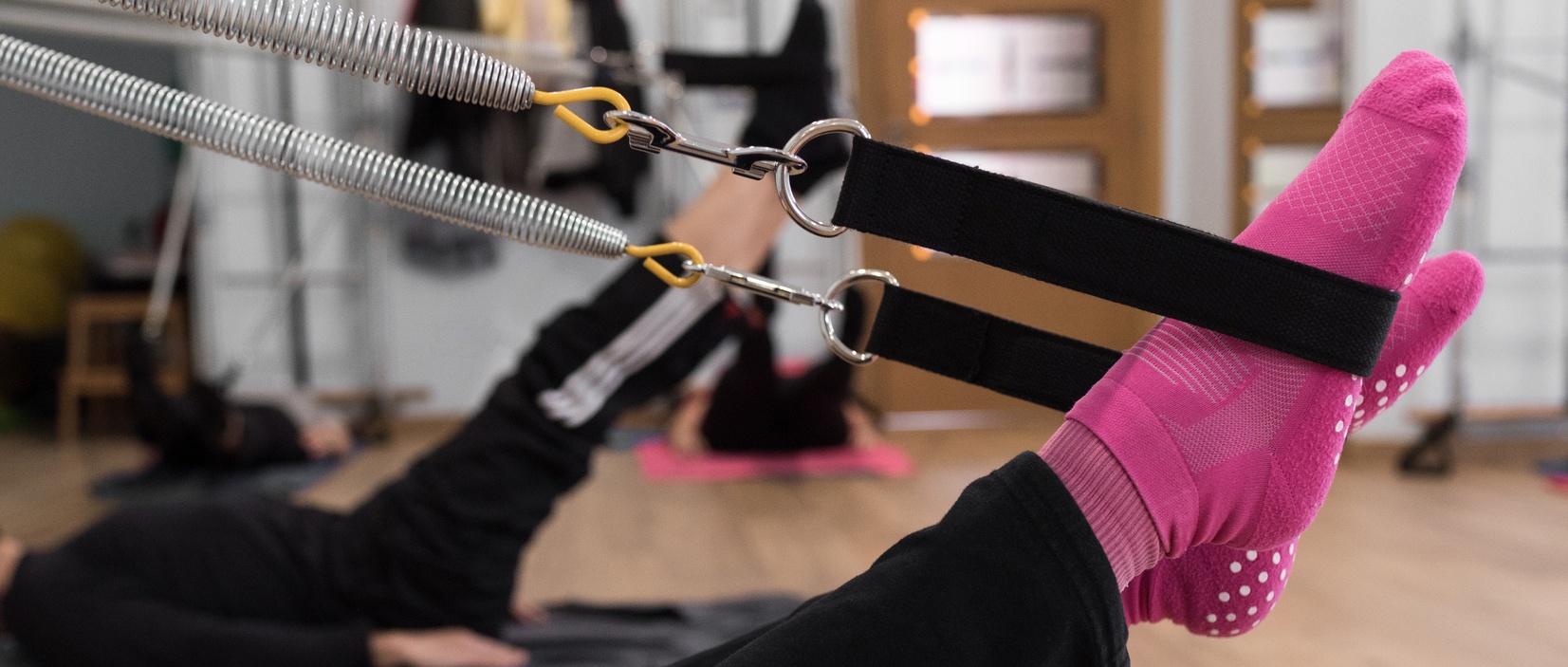
Pilates es una forma de ejercicio que se centra en movimientos controlados y la respiración para mejorar la fuerza, la postura y el equilibrio. A diferencia del Pilates en colchoneta, el Pilates Reformer utiliza equipos especializados para ofrecer un entrenamiento corporal completo más integral. Aquí, analizamos las diferencias entre los dos y examinamos cómo el Pilates Reformer puede impactar en tu salud física.
por Victoria Raw
Continúa leyendo abajo
Historial del artículo
La información en esta página es revisada por pares por clínicos calificados.
31 Aug 2022 | Última versión
31 Aug 2022 | Publicado originalmente

Pregunta, comparte, conecta.
Navega por discusiones, haz preguntas y comparte experiencias en cientos de temas de salud.

¿Te sientes mal?
Evalúa tus síntomas en línea de forma gratuita
Suscríbete al boletín de Patient
Tu dosis semanal de consejos de salud claros y confiables, escritos para ayudarte a sentirte informado, seguro y en control.
By subscribing you accept our Política de Privacidad. Puedes darte de baja en cualquier momento. Nunca vendemos tus datos.