¿Qué es la dieta BRAT y por qué es insegura?
Revisado por pares por Dr Krishna Vakharia, MRCGPÚltima actualización por Amberley DavisÚltima actualización 26 Oct 2023
Cumple con las directrices editoriales
- DescargarDescargar
- Compartir
- Language
- Discusión
- Versión en audio
- Agregar a fuentes preferidas en Google
The BRAT diet is a low-fibre, bland food diet that was once recommended by doctors in the US to treat an upset stomach. However, it is now believed that this diet has the potential to do more harm than good - and health organisations no longer recommend it.
What is the BRAT diet?
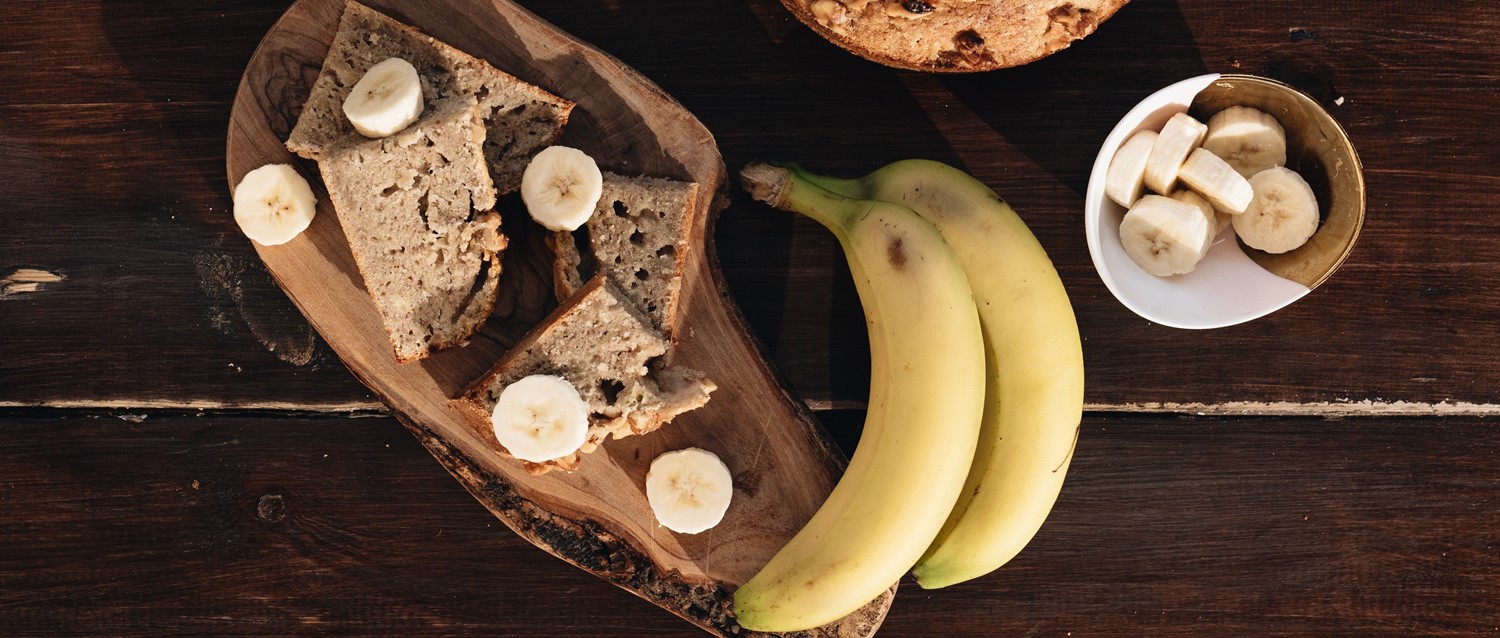
The BRAT diet stands for bananas, rice, applesauce, and toast. It was first developed in the 1920s. Until recently, it was a a popular recommendation by American doctors for treating children with upset stomachs - a general term that describes a painful or uncomfortable stomach that's often caused by indigestión - or problems with your digestive tract.
Now, experts believe that this diet is too restrictive and lacks nutrients.
But why this seemingly random combination of foods? The idea of the BRAT diet is that these foods are gentle on the stomach. "The foods in this diet were previously thought to be simple, plain and bland foods which are easy to digest," explains Kirsten Jackson, a consultant dietitian at The Food Treatment Clinic y Asociación Británica de Dietética (BDA) member.
According to the National Institutes of Health (NIH), bland foods are1:
Easily digestible.
Soft in consistency.
Low-fibre.
Cooked.
Non-spicy.
Experts believed that people with upset stomach illnesses could benefit from a diet consisting solely of bland BRAT diet foods that:
Are gentle on your stomach - They are low in protein and fat, two nutrients which can be more difficult to digest when you have a stomach illness.
Make your poo firmer - They are low in fibre and are starchy which can help runny poos to bind together more easily2.
May reduce náuseas - They are relatively bland in taste and smell. Certain people, like those experiencing pregnancy sickness, may find this more tolerable.
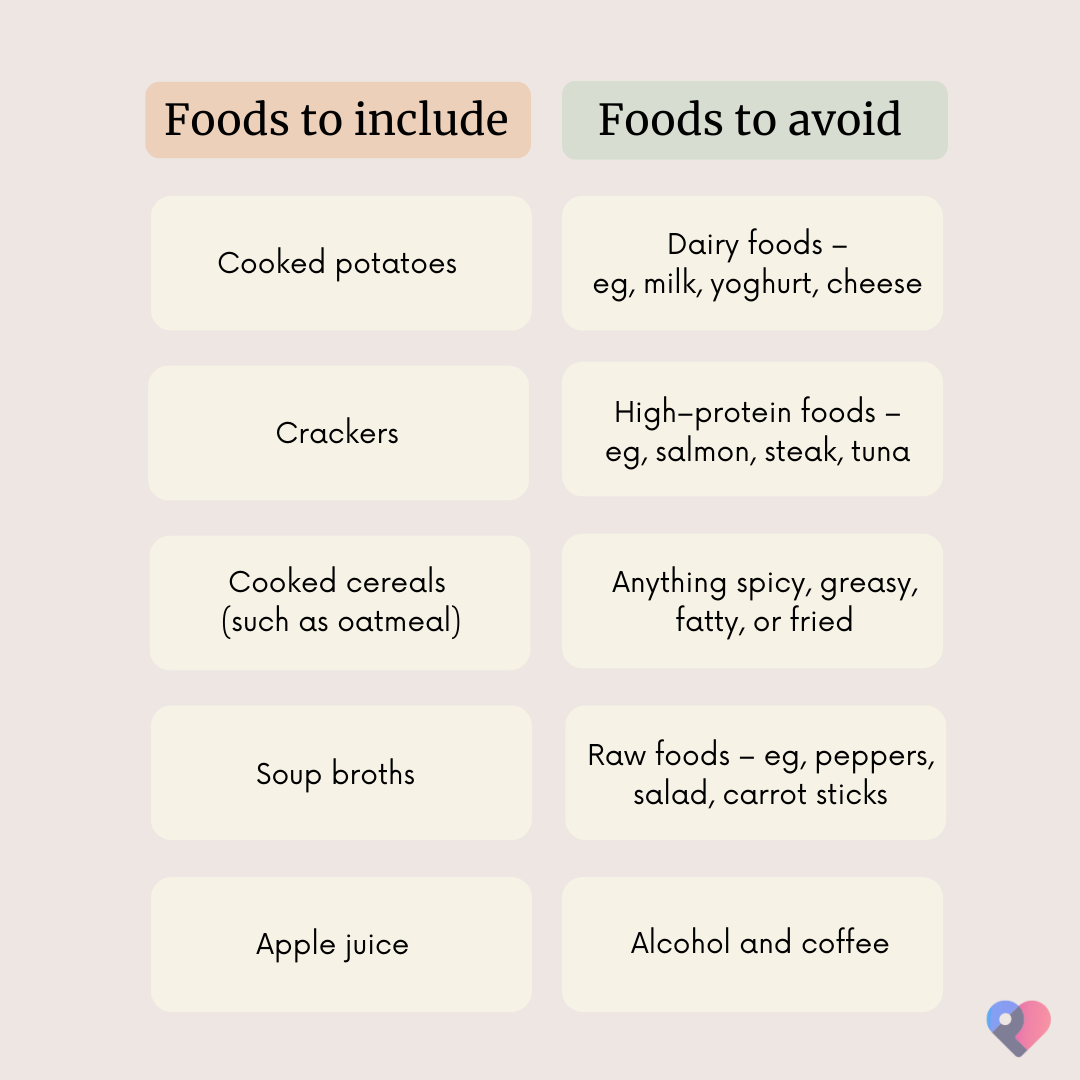
Despite the four foods in its name, the BRAT diet can include other bland food options.
BRAT diet food list for adults and children
When would the BRAT diet be recommended?
"The BRAT diet was recommended when someone was having digestive problems or symptoms," says Jackson. This includes using this low-fibre diet for an upset stomach.
Other stomach-related issues:
BRAT diet for stomach flu (gastroenteritis) - Despite being commonly called "stomach flu" this illness is not actually caused by the influenza virus but by various stomach bugs. This can cause pain, vómitos, y diarrea.
BRAT diet for diarrhoea - Loose, frequent, and unpredictable bowel movements can have a number of causes, including stomach flu, viral infections, ansiedad, and drinking too much alcohol..
BRAT diet for reflujo ácido - Stomach acid rises up into the gullet (oesophagus) causing a burning sensation. This might occur when you eat too many high-fat or acidic foods or drink too much alcohol.
Limited evidence
There are no high-quality clinical trials on the effects of the BRAT diet. Instead, the basis for this low-fibre diet is founded on the research of specific bland foods. For example, there's evidence that both banana3 and rice soup4 can help to treat diarrhoea in children.
It follows that there is little to no research into how long you should follow the BRAT diet. Informal guidelines suggest re-introducing your regular diet after around 24 hours. It has never been recommended for prolonged or long-term use.
Why is the BRAT diet now considered too risky?
Too restrictive
Experts no longer recommend the BRAT diet for adults and children: "It is extremely restrictive so would lead to nutritional deficiencies," says Jackson.
In other words, the range of nutrients in BRAT diet foods are too limited. Not only can this slow your recovery from stomach illness, but it might also cause other serious health issues related to malnutrition. In extreme cases, there is some evidence that the diet can even result in severe malnutrition in young children5.
Even though bananas and rice are healthy foods, following a diet containing only those foods can affect your body in a negative way. In fact, a lack of nutrients can make diarrhoea worse, and this illness can also make it harder to absorb nutrients in your diet.
As a result, health organisations no longer recommend the BRAT diet, including the American Academy of Pediatrics (AAP) y Centers for Disease Control and Prevention (CDC).
Contain FODMAPs
"We also now know that foods like apple, bread, and bananas contain FODMAPs," adds Jackson. "These are types of carbohydrates which are broken down in the large bowel, causing more gas to be produced and more fluid to be drawn in. In people with digestive problems, this can cause symptoms of pain, hinchazón, and runny poos."
Better and safer ways to recover from stomach illness
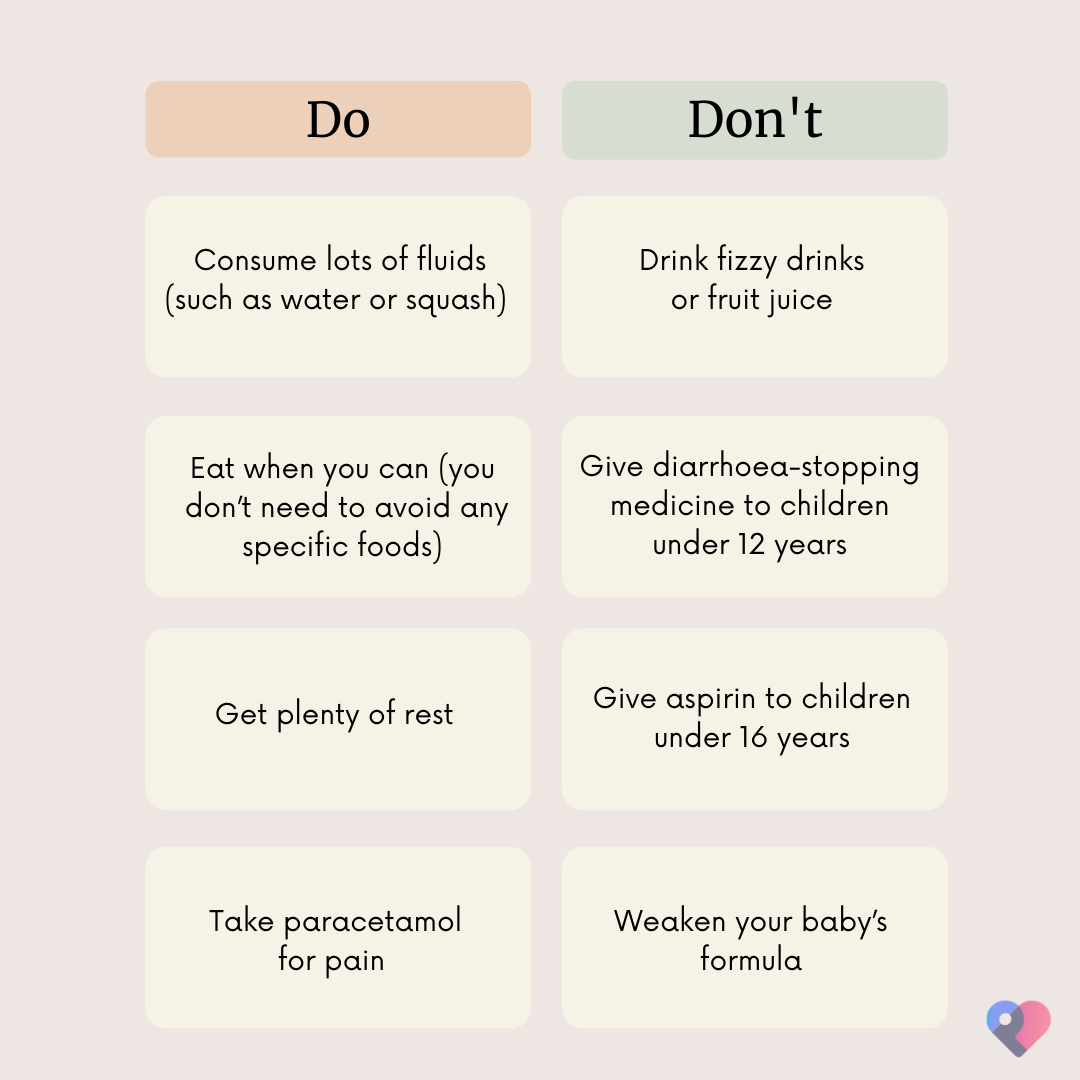
When it comes to eating during stomach problems, the current medical advice is to continue consuming a balanced diet. It's also very important that you drink enough water to prevent deshidratación, especially if you have vomiting or diarrhoea symptoms.
You can usually treat stomach-related symptoms at home
Your pharmacist can suggest further treatment options if symptoms of diarrhoea continue beyond 5-7 days and vomiting beyond 1-2 days. You should also seek their advice if you notice signs of dehydration, such as urine that's dark in colour and strong in smell.
They may recommend:
Powders that you mix with liquid that can help to rehydrate you.
Medicine that stops diarrhoea for a few hours.
Stomach bugs and viruses that can cause common upset stomach symptoms like diarrhoea, vomiting, and pain can be very contagious. You or your child should stay at home and avoid going into work or school for 48 hours after the symptoms have cleared.
Lectura adicional
Ho et al: Stopping or reducing dietary fiber intake reduces constipation and its associated symptoms.
Falcomer et al: Health benefits of green banana consumption: a systematic review.
Duro and Duggan: The BRAT diet for acute diarrhea in children: should it be used?
Selecciones del paciente para Dieta
Dieta y nutrición
¿Es la dieta de Okinawa una receta para la longevidad?
Once called the land of immortals, the island of Okinawa is home to some of the world's oldest and healthiest residents. These centenarians grew up eating a traditional Okinawa diet, with the ingredients available to them. We speak to an expert about replicating this way of eating, to promote healthy ageing and longevity - no matter where in the world you are. Hint: it's not just what you eat, but how.
por Lynn Stephen

Dieta y nutrición
La dieta de la longevidad - ¿puede añadir años a tu vida?
El Dr. Longo, especialista en envejecimiento, imagina un futuro en el que podamos llegar a los 110 años en buena salud, y todo depende de qué, cuándo y cuánto comemos. Este es el objetivo de su llamada dieta de longevidad, un plan de comidas que no solo está diseñado para ayudar a prevenir enfermedades, sino también para ralentizar el envejecimiento en nuestros cuerpos. Sigue leyendo para descubrir en qué consiste la dieta y si la evidencia la respalda.
por Lawrence Higgins
Sobre el autorVer biografía completa

Amberley Davis
Escritora senior
BA (Hons), CPD
Amberley es una escritora senior en Patient y ha escrito extensamente sobre una variedad de temas de salud y bienestar.
Acerca del revisorVer biografía completa

Dr Krishna Vakharia, MRCGP
Director Médico de Salud, Optum UK
MBChB, MRCGP(2013), BMedSci (hons), DFSRH, DRCOG, PGDipDerm (Distn)
La Dra. Krishna Vakharia es una médica general del NHS. También es examinadora habitual del Diploma de Posgrado en Dermatología Práctica en la Universidad de Cardiff, además de ser la Directora Médica de salud en Optum UK.
Historial del artículo
La información en esta página es revisada por pares por clínicos calificados.
Artículo también disponible en Inglés, Alemán, Español, Francés, Italiano, Portugués, Hindi, Hebreo, Árabe, y Sueco.
Próxima revisión: 26 de octubre de 2026
26 Oct 2023 | Última versión
8 Jun 2022 | Publicado originalmente
Escrito por:
Amberley Davis

Pregunta, comparte, conecta.
Navega por discusiones, haz preguntas y comparte experiencias en cientos de temas de salud.

¿Te sientes mal?
Evalúa tus síntomas en línea de forma gratuita
Suscríbete al boletín de Patient
Tu dosis semanal de consejos de salud claros y confiables, escritos para ayudarte a sentirte informado, seguro y en control.
Al suscribirte aceptas nuestros Política de Privacidad. Puedes darte de baja en cualquier momento. Nunca vendemos tus datos.
Más sobre dieta y nutrición
- 5 comidas rápidas y saludables para estudiantes
- 5 recetas de sopas reconfortantes
- ¿Valen la pena los alimentos fermentados?
- ¿Puede el kombucha mejorar tu salud?
- Dieta DASH - alimentación saludable que ayuda a reducir la presión arterial
- ¿Necesita tu cuerpo suplementos vitamínicos?
- ActualizadoCómo la dieta afecta a tu corazón
- Cómo preparar un relleno saludable
- ¿Es bueno para ti beber aceite de oliva?
- ¿Es bueno el cúrcuma para ti?
- Magnesio: Beneficios para la salud y riesgos
- Dieta pescatariana: pros, contras y qué puedes comer
- NuevoLeche cruda: ¿realmente es buena para ti o solo otra tendencia de bienestar?
- El tamaño importa: por qué nuestras porciones excesivas están contribuyendo a la crisis de obesidad
- La dieta keto: ¿qué es y funciona?
- ¿Pensando en volverte vegano? Aquí te mostramos cómo hacerlo de manera saludable
- ¿Cuáles son los beneficios de los probióticos para bebés?
- ¿Qué es la dieta Ornish y puede transformar tu salud?