Remedios naturales para ayudar a prevenir la retención de líquidos
Revisado por pares por Dr Colin Tidy, MRCGPEscrito por Victoria RawPublicado originalmente 16 Jul 2025
Cumple con las directrices editoriales
- DescargarDescargar
- Compartir
- Language
- Discusión
- Versión en audio
- Agregar a fuentes preferidas en Google
La retención de líquidos puede ocurrir por varias razones. Aunque algunas personas son más susceptibles a ella, cualquiera puede experimentar esta condición, sin importar su edad o género. Examinamos los signos comunes de la retención de líquidos, sus causas y formas de ayudar a prevenirla.
What is water retention?
Water retention - also called edema - is when your body holds in too much fluid. This can lead to swelling and puffiness in certain areas such as your legs, ankles, hands and feet.
Dr Po-Chang Hsu, Alpas Wellness, Greater Boston, USA explains that your body regulates fluid balance through your kidneys, circulatory system, and hormones such as aldosterone and antidiuretic hormone (ADH).
"When this balance is disrupted - due to diet, lifestyle, or underlying health conditions - fluid may accumulate where it should not," he says.
According to Hsu there are different types of water retention.
Estas incluyen:
Generalised oedema - this affects the entire body and is often linked to medical conditions such as kidney or liver disease.
Localised oedema - this is found in specific areas, such as the legs or hands, often due to injury, inflammation, or prolonged standing.
Symptoms of water retention include:
Puffiness.
Stretched or shiny skin.
Skin that temporarily holds a dimple when pressed (pitting oedema).
What causes water retention?
Water retention can be due to variety of common causes.
Estas pueden incluir:
Dietary habits.
Hormonal fluctuations.
Condiciones médicas.
Factores de estilo de vida.
Hsu outlines how each of these causes affects your body:
Dietary choices - a high-sodium diet causes the body to retain more water to balance out the extra salt.
Cambios hormonales - fluctuations in hormones during pregnancy, menstruation, or menopause can lead to temporary water retention.
Factores de estilo de vida - lack of physical activity, prolonged sitting or standing, and dehydration can contribute to fluid build-up.
Underlying health conditions - heart failure, kidney disease, and liver issues impair the body’s ability to regulate fluids.
Medicamentos - Non-steroidal anti-inflammatory drugs (NSAIDs), steroids, and certain blood pressure medicines can cause water retention as a side effect.
Catherine Gervacio, registered nutritionist-dietitian and certified exercise coach says some birth control medicines can also trigger water retention.
If your water retention is due to an underlying medical condition, your doctor may prescribe 'water pills' to help you pee more (diuretics). These stimulate your kidneys to remove excess fluid from your body.
Natural solutions for water retention
Hsu advises, however, that the best way to prevent and manage water retention is to live a healthy lifestyle. There are various actions you can take.
Mantente activo
Incorporating exercise into your daily routine - even if it's walking or gentle stretching - improves your circulation and prevents fluid from building up in your body.
"Movement keeps your blood and lymphatic systems working correctly," says Hsu.
Gervacio suggests that if your oedema makes movement difficult, consider engaging in low-impact exercises such as swimming or yoga.
Change your diet
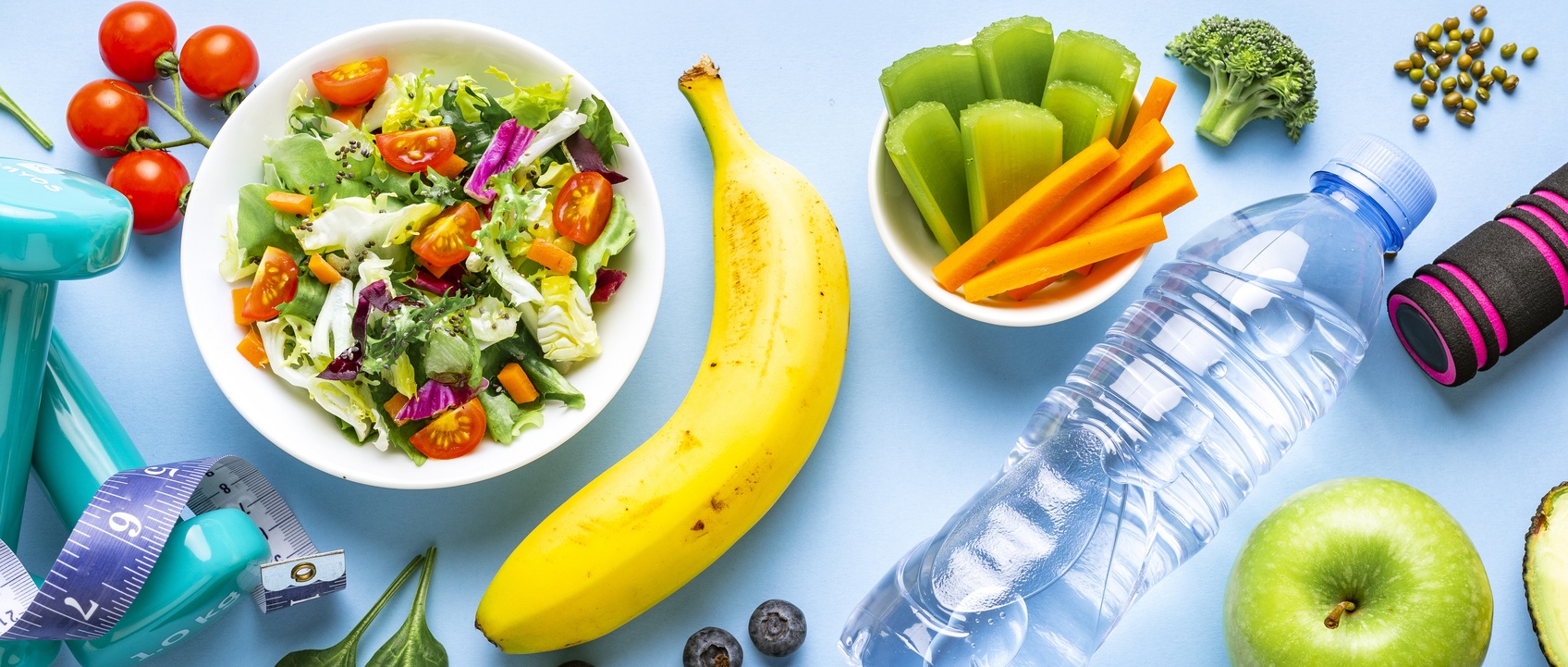
Reducing your intake of processed foods and salt can help your body shed excess water.
Gervacio recommends you avoid heavily processed foods such as canned soups, frozen meals, chips, and fast food.
"Season your meals with herbs, spices, lemon juice, or garlic instead of salt," she suggests. "Cut back on salty snacks and eat potassium-rich foods - such as bananas, spinach, and sweet potatoes - to balance sodium levels, and add natural diuretics such as cucumber, watermelon, and parsley to your diet."
Gervacio also advises you to drink at least 8-10 cups of water a day - more if you are active - as this helps flush out excess sodium and reduce swelling in your body.
Limit certain drinks
Sugary drinks can lead to water retention by causing your body to hold on to excess fluids. For this reason, it's best to avoid beverages such as sweetened drinks and fruit juices.
Alcohol dehydrates your body. In response, your body may retain fluids to compensate for this loss.
Elevate swollen areas
Raising your legs above heart level helps reduce swelling by improving circulation. This encourages fluid movement out of your lower body.
Hsu says: "Take breaks to move around if you're sitting or standing for long periods. Compression garments such as compression socks can improve circulation, especially during travel."
Manage stress
Gervacio explains that long-term (chronic) stress through the release of cortisol - your body's stress hormone - could also lead to water retention.
Incorporating relaxation techniques into your daily routine - such as yoga, meditation, or deep breathing - can benefit both your mind and body.
When should you see a doctor about water retention?
If your swelling doesn't improve, comes on suddenly, is painful or severe, book an appointment with your doctor.
Hsu and Gervacio say this is especially crucial and you should seek immediate medical help if your symptoms are accompanied by the following:
Falta de aliento.
Dolor en el pecho.
Dificultad para respirar.
Dolor.
Enrojecimiento.
Warmth in the swollen area.
Fiebre.
These additional signs could indicate something serious such as heart failure or a blood clot.
Hsu says: "Water retention can be uncomfortable, but you can manage or even prevent it with the proper steps - such as dietary changes, staying active, and addressing underlying medical issues.
"However, if symptoms persist or worsen, seek professional advice. A doctor can help identify the root cause and provide the most effective treatment for your situation."
Selecciones del paciente para Hinchazón
Signos y síntomas
¿Cuándo deberías preocuparte por las piernas hinchadas?
¿Tienes los tobillos hinchados? Tu médico tiene una palabra difícil de deletrear que significa lo mismo. Edema es la palabra médica para cualquier hinchazón causada por exceso de líquido debajo de la piel.
por Victoria Raw

Signos y síntomas
Causas, síntomas y tratamientos de la retención de líquidos
Probablemente hayas leído que el cuerpo humano contiene alrededor del 70% de agua, y todos sabemos que beber suficiente de este líquido es excelente para nuestra salud. Pero si tu cuerpo está reteniendo exceso de agua o líquido, puede resultar en síntomas incómodos y puede ser un signo de una condición médica subyacente.
por Gillian Harvey
Sobre el autorVer biografía completa

Victoria Raw
Redactora de artículos
Licenciatura en Artes (Hons), Literatura Inglesa
Victoria es una redactora de contenido en Patient, cuyos intereses especiales se centran en el bienestar mental, las tendencias sociales y el impacto de la tecnología en nuestra salud.
Acerca del revisorVer biografía completa

Dr Colin Tidy, MRCGP
Médico General, Autor Médico
MBBS, MRCGP, MRCP (Paediatrics), DCH
El Dr. Colin Tidy es un médico del NHS, con sede en Oxfordshire.
Historial del artículo
La información en esta página es revisada por pares por clínicos calificados.
Artículo también disponible en Inglés, Alemán, Español, Francés, Italiano, Portugués, Hindi, Hebreo, Árabe, y Sueco.
Siguiente revisión prevista: 17 de julio de 2028
16 Jul 2025 | Publicado originalmente
Escrito por:
Victoria RawRevisado por pares por
Dr Colin Tidy, MRCGP

Pregunta, comparte, conecta.
Navega por discusiones, haz preguntas y comparte experiencias en cientos de temas de salud.

¿Te sientes mal?
Evalúa tus síntomas en línea de forma gratuita
Suscríbete al boletín de Patient
Tu dosis semanal de consejos de salud claros y confiables, escritos para ayudarte a sentirte informado, seguro y en control.
Al suscribirte aceptas nuestros Política de Privacidad. Puedes darte de baja en cualquier momento. Nunca vendemos tus datos.
Más sobre signos y síntomas
- ¿Puedo tratar el dolor crónico con CBD?
- Nuevo¿Pueden las tormentas eléctricas darte dolor de cabeza?
- Causas comunes de picazón en el trasero
- Tos, resfriados y dolor de garganta: ¿es la miel mejor que los tratamientos de venta libre?
- ¿El tinnitus conduce a la pérdida de audición?
- Cómo aumentar tus niveles de energía y sentirte menos cansado en invierno
- Cómo aliviar los ojos irritados en el verano
- ¿Piel con picazón por la noche este verano? Aquí te decimos por qué
- Viviendo con fibromialgia - La historia de Jenny
- El pensamiento más reciente sobre el síndrome de fatiga crónica
- Causas, síntomas y tratamientos de la retención de líquidos
- ¿Qué causa los dolores de cabeza?
- ¿Qué causa el mareo durante la menopausia y cómo puedes manejarlo?
- Cómo es vivir con la fatiga del cáncer
- Lo que podría significar tu bostezo constante
- ¿Cuándo deberías preocuparte por el dolor?
- Cuándo preocuparse por los sudores nocturnos
- ¿Por qué estoy tirando tantos pedos?
- ¿Por qué tengo un cansancio extremo después de comer?