
Is it whooping cough or just a cold?
Peer reviewed by Dr Colin Tidy, MRCGPLast updated by Lawrence HigginsLast updated 31 Aug 2025
Meets Patient’s editorial guidelines
- DownloadDownload
- Share
- Language
- Discussion
- Audio Version
- Add to preferred sources on Google
The UK Health Security Agency (UKHSA) has announced that a baby has died of whooping cough - the first fatality of 2025. The baby's mother had not been vaccinated against the illness.
Here we look at how to spot the signs of this highly contagious infection which can effect anyone but can be particularly serious for babies and infants - and how to tell if it less serious. We also look at the need to get vaccinated.
How common is whooping cough and the vaccination against it?
In England, there were 502 confirmed cases of whooping cough in the first half of 2025 according to UK Health Security Agency. This is substantially lower than the 7,554 cases reported in the second quarter of 2024 when the illness was on the rise across the UK. Eight of these cases were in infants aged under 3 months.
The UKHSA says vaccine uptake levels in pregnant women, babies, and young children has fallen in recent years across England. Maternal vaccine uptake fell from 74.7% in December 2017 to 58.9% in March 2024 but rose to 72.6% in March 2025. Coverage for 2025 quarter 1 was 71.3%,
Monthly coverage has been steadily increasing since April 2024, although it remains below the historic peak of 76.2% in December 2016.
What causes whooping cough?
Whooping cough is caused by the bacterium Bordetella pertussis, and its early symptoms are very similar to those of a cold - runny nose, red watery eyes, a sore throat and raised temperature. Around a week later, the characteristic cough - including the 'whoop' caused by the individual gasping for air - follows. This cough becomes more intense and more frequent at night.
Whooping cough symptoms
At first, whooping cough may seem like a normal cough but you can recognise it by the following characteristics:
Whooping cough lasts longer - where a normal cough may last just a few days or weeks, whooping cough may last several months.
Whooping cough usually has several uncontrolled coughing spasms which can be quite severe and cause you to be sick.
There is a 'whooping' sound when inhaling compared to normal coughs - although this only happens in around one half of cases.
Choking and face colour changes - red or blue - are more common with whooping cough than with normal coughs.
Breathing difficulties are also more common with whooping cough than with normal cough.
The cough sometimes produces a thick mucus which can cause you to be sick.
Sometimes the force of coughing can cause light bleeding under the under the whites of the eyes and skin.
Some children may also have red faces from the strain of coughing, periods of shortness of breath, and briefly turn blue - but this is restored shortly.
The symptoms will become less severe and occur less frequently over time, but it can take months to stop completely.
How long does whooping cough last and be contagious for?
The cold-like symptoms of whooping cough usually last for 1 to 2 weeks, the following severe cough can last for up to to 3 months.
Whooping cough is spread in the drops of coughs and sneezes, and you can be infectious for around three weeks from the 'catarrhal' phase - when you have a runny nose, sneezing, temperature is up, and a mild cough.
Whooping cough treatment
Treatment depends on age and how long the infection has been present. Children under six months and people with severe symptoms or who are very ill will usually be admitted to hospital for treatment.
Antibiotics may be given within the first few weeks to reduce the spread of the infection. Most people are no longer infectious after three weeks and may not need any treatment. While antibiotics should reduce spread, they do not speed up recovery, or reduce the severity of symptoms.
To ease the symptoms you can:
Stay hydrated by drinking plenty of fluids.
Rest and get sleep.
Take painkillers such as paracetamol or ibuprofen - these may speed up recovery as well as reduce signs of the infection such as high temperature. Do not give aspirin to children under the age of 16 years.
Wash your hands and face regularly, put used tissues in the bin and wash clothes.
Cough medicines are not generally recommended as they are not suitable for young children and are of little or no benefit in whooping cough.
How to stop whooping cough spreading
To stop the infection spreading, the National Institute for Health and Care Excellence (NICE) suggests:
Keeping infected children off nursery or school, and adults off work, until 48 hours after starting antibiotics, or three weeks after coughing starts, whichever is sooner.
Cover your mouth and nose when coughing and sneezing.
Dispose of tissues straightaway
Wash hands with soap and water regularly.
What about the whooping cough vaccine?
Timely vaccination in pregnancy and in infancy are both important to protect vulnerable young babies from serious disease. Of the thirty-three infants who died of whooping cough since 2013, 27 had mothers who had not received the jab in pregnancy.
Dr Gayatri Amirthalingam, Consultant Epidemiologist at UK Health Security Agency, says: "Vaccination remains the best defence against whooping cough and it is vital that pregnant women and young infants receive their vaccines at the right time."
All pregnant women are offered a whooping cough vaccine to protect babies and young children from whooping cough, ideally between 20 and 32 weeks. This passes protection to their baby in the womb so that they are protected from birth in the first months of their life when they are most vulnerable and before they can receive their own vaccines.
All babies are given three doses of the 6-in-1 vaccine at 8, 12 and 16 weeks of age to protect against whooping cough and other serious diseases such as diphtheria and polio with a pre-school booster offered at 3 years 4 months. This booster doesn't offer lifelong protection, but can help prevent children getting whooping cough when young and more vulnerable to the effect of infection.
NHS England is helping parents to vaccinate their children with initiatives such as hosting extra clinics, catch up opportunities in schools, and localised outreach projects to target low uptake areas across the country. This has had some success with MMR1 uptake stabilising at 91.8% - but that’s still not enough to prevent outbreaks.
Can you get whooping cough twice?
If you have had whooping cough before, it is unusual, but you can still get it again. However, the symptoms tend to be less severe the second time around. Also, protection from the whooping cough vaccine tends to wear off after a few years.
Patient picks for Childhood infections

Children's health
Should schools or parents be fighting nits?
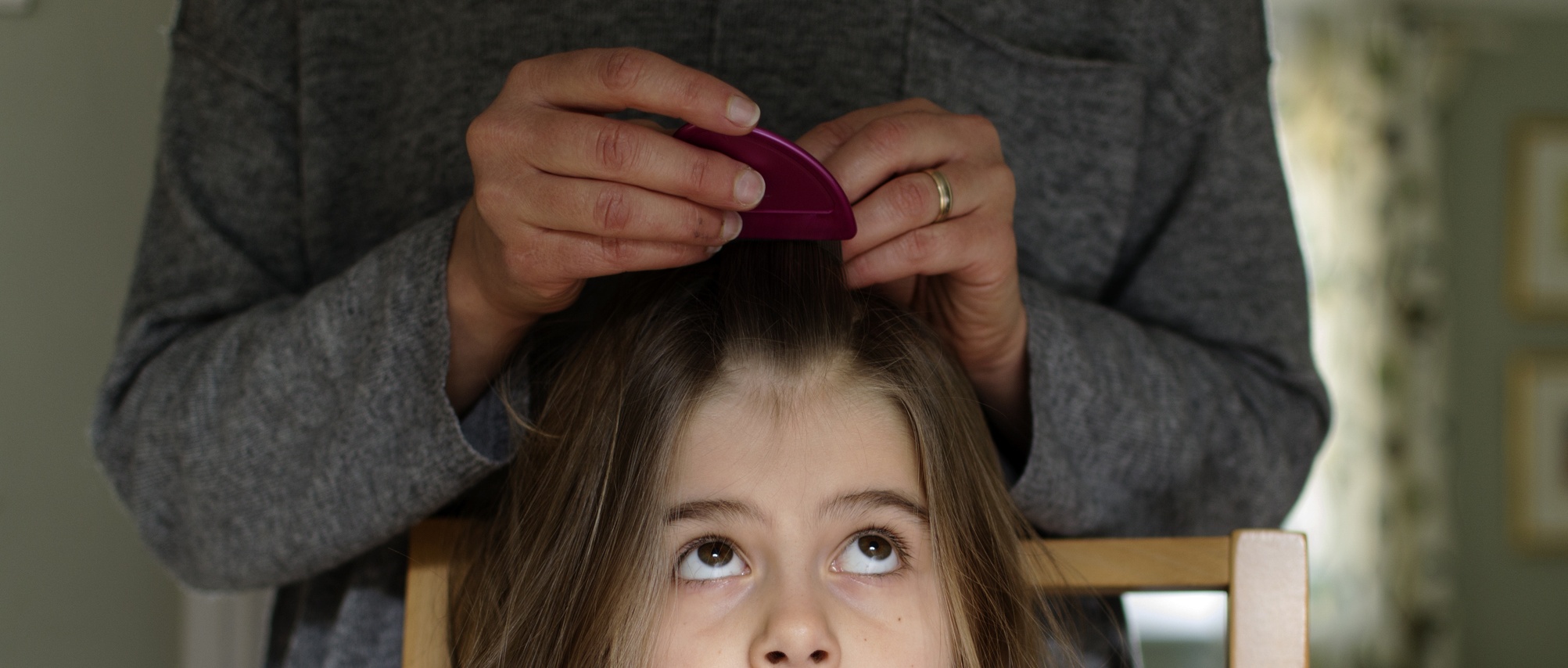
The latest figures suggest that nearly 70 per cent of primary school children will get head lice, much to their parents’ despair. So should schools be playing a bigger part in the battle against nits? Or does the responsibility lie with parents? We take a look at both sides of the argument.
by Danny Chadburn
Children's health
The best ways to get rid of head lice
They’re difficult to spot and are becoming increasingly difficult to treat; almost 50% of children in the UK have had head lice in the past five years. But don’t despair – the battle might be getting harder, but you can still win the war against head lice.
by Danny Chadburn
About the authorView full bio

Kerry Taylor-Smith
Freelance journalist
BSc (Hons) Natural Sciences
Kerry has been a freelance writer, editor and proofreader since 2016; she specialises in science and health-related topics.
About the reviewerView full bio

Dr Colin Tidy, MRCGP
General Practitioner, Medical Author
MBBS, MRCGP, MRCP (Paediatrics), DCH
Dr Colin Tidy is an NHS Doctor, based in Oxfordshire.
Article history
The information on this page is peer reviewed by qualified clinicians.
Article also available in English, German, Spanish, French, Italian, Portuguese, Hindi, Hebrew, Arabic, and Swedish.
Next review due: 31 Aug 2028
31 Aug 2025 | Latest version
8 May 2019 | Originally published
Authored by:
Kerry Taylor-Smith
Join the conversation
Share your thoughts or experiences with others in our patient communities.

Ask, share, connect.
Browse discussions, ask questions, and share experiences across hundreds of health topics.

Feeling unwell?
Assess your symptoms online for free
Sign up to the Patient newsletter
Your weekly dose of clear, trustworthy health advice - written to help you feel informed, confident and in control.
By subscribing you accept our Privacy Policy. You can unsubscribe at any time. We never sell your data.
More in children's health
- Could my toddler be depressed?
- Fever treatment for children: a doctor's advice
- Free chickenpox vaccine to be offered to children in England for the first time
- How can dogs help support families with autistic children?
- How to ask kids about their health
- How to be a calm parent when you're stressed
- How to help children develop healthy habits
- How to help your child build self-esteem
- How to look after your baby's first teeth
- How to manage breastfeeding when you return to work
- How to manage tonsillitis in children
- How to spot the signs of anxiety in kids
- How to tackle eating problems in children with autism
- How to talk to children about death
- Many 'healthy' baby food brands contain too much sugar
- Putting together a budget for your baby
- Signs of tinnitus to look out for in children
- What happens when you transfer from child to adult mental health services?
- What to do if your teen has a drug problem
- What to do when your child has a rash