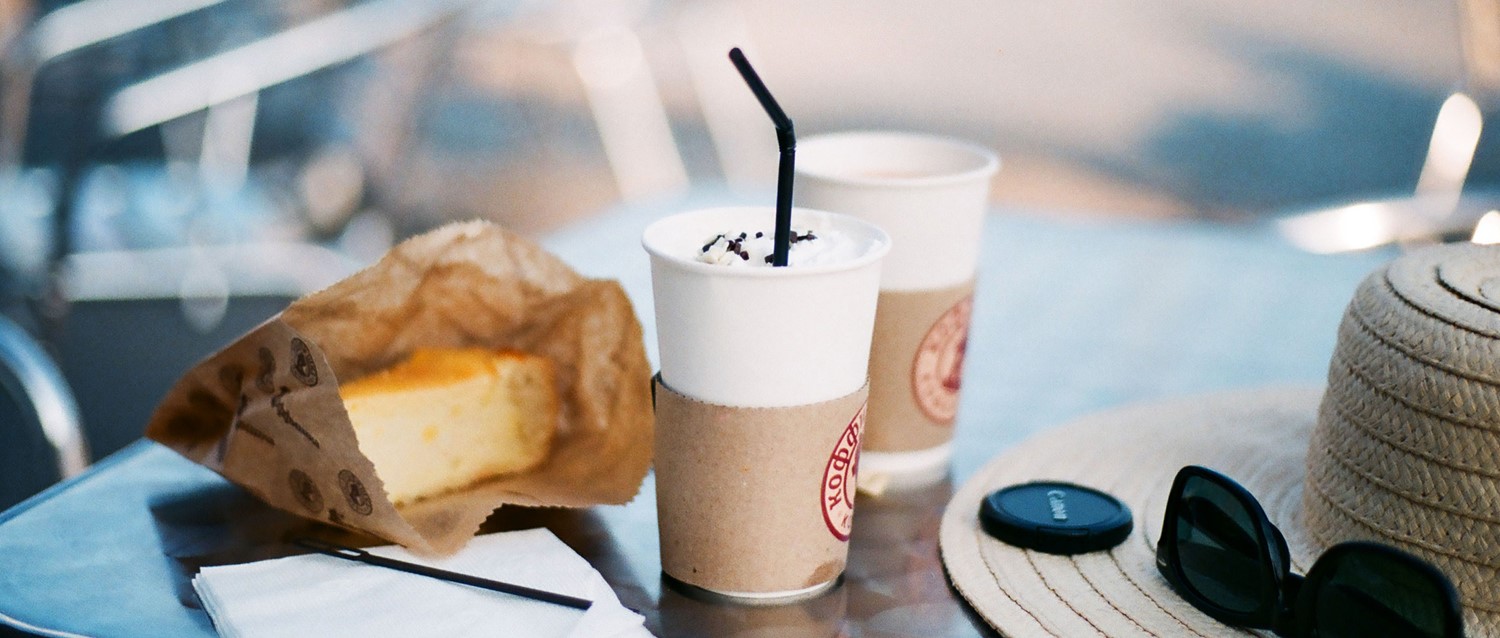
Los alimentos y bebidas que debes evitar en vacaciones si estás embarazada
Revisado por pares por Dr Hayley Willacy, FRCGP Última actualización por Abi MillarÚltima actualización 10 Abr 2018
Cumple con las directrices editoriales
- DescargarDescargar
- Compartir
- Language
- Discusión
- Versión en audio
- Agregar a fuentes preferidas en Google
If you're something of a foodie, travelling while pregnant can be a mixed blessing. On the one hand, a holiday is a holiday. On the other hand, you won't be able to spend your time roaming the backstreets and sampling all the local delicacies, as you might have done before you got pregnant.
¡Inscríbete en nuestro curso gratuito de 8 semanas sobre Embarazo Saludable!
Cada semana compartiremos información útil y consejos esenciales sobre temas como nutrición, ejercicio, salud mental, síntomas a tener en cuenta y preparación para el parto, para ayudarte a navegar tu viaje de embarazo en cualquier etapa en la que te encuentres.
Al suscribirte aceptas nuestros Política de Privacidad. Puedes darte de baja en cualquier momento. Nunca vendemos tus datos.
As Dr Vanessa Mackay, spokesperson for the Colegio Real de Obstetras y Ginecólogos (RCOG), explains, now is not the time for a culinary-focused vacation.
"There are some foods women should avoid or take care with when pregnant as they might make women ill or harm their baby," she says. "Avoid eating soft cheese with white rinds, mould-ripened soft goat's cheese and soft blue-veined cheese unless they have been cooked. Pâté, including vegetable pâté, should also be avoided."
These are just two examples on what is quite a long list - and perhaps two of the most heartbreaking if you’re going somewhere like France. However, with a bit of forward planning, and maybe some savvy food swaps, there's no reason why you can't eat healthily, safely and enjoyably on holiday.
Avoid undercooked meat
As Elizabeth Duff, senior policy advisor at NCT, points out, eating well abroad can sometimes be a bit more complicated than it was at home.
"Obviously most women who are pregnant will have discussed food with their midwife and done their own research about what is generally advised," she says. "What can be difficult abroad is that a lot of other countries have a tradition of serving meat quite undercooked, so that's something to check. It's common sense, but you don't want to worry about having a tummy upset and wondering whether that's affecting the baby."
She recommends opting for something cooked through, like a casserole, rather than something lightly grilled or fried (rare steaks, sadly, are a no). And since undercooked meat carries a risk of toxoplasmosis - a parasite-borne infection that can cause miscarriage - if something does look a bit pink when it arrives, it's best to leave it or give it to your partner.
On a similar note, you should exert caution with cold cured meats, such as salami, prosciutto and chorizo, as these can also contain toxoplasmosis-causing parasites. If you're preparing the meat yourself, you can reduce the risk by cooking it, or by freezing it for four days first. However, you should avoid these meats when eating out, since you can't be sure how they've been prepared.
"It is best for pregnant women to avoid eating game that has been shot with lead pellets as it may contain higher levels of lead," adds Mackay. "Pregnant women are advised not to eat liver or any products containing liver, as they may contain a lot of vitamin A, which can harm the unborn baby."
Be careful with cheese, fish and eggs
The recommendation around pâté and certain soft cheeses is due to the risk of infection.
"These soft cheeses are less acidic than hard cheeses and contain more moisture. This means they can be an ideal environment for harmful bacteria, such as listeria, to grow in," says Mackay. "While infection with listeria is rare, even a mild form of the illness in a pregnant woman can lead to miscarriage, stillbirth or severe illness in a newborn baby."
The good news is that all other cheeses are fine. So while you should steer clear of uncooked Brie, Roquefort, gorgonzola or Camembert, you can eat feta, halloumi or cheddar to your heart's content.
As for fish, this is generally fine during pregnancy, and in fact comes highly recommended. However, oily fish should be consumed sparingly because of the risk of pollutants like mercury, and uncooked shellfish (along with shark, swordfish and marlin) should be avoided altogether. Sushi, meanwhile, is only advisable if the raw fish has been frozen first.
"Fish and shellfish can be very tempting abroad, especially if you're at the seaside, but that's something that needs checking," says Duff.
Another food to watch out for is eggs. These days, eggs produced in the UK are considered safe for pregnant women, even when eaten soft-boiled or runny. This is because they come from hens that have been vaccinated against salmonella. However, this may not be the case abroad, so you should stick to eggs that are fully cooked through. Avoid foods containing partially cooked eggs, like mousses.
Watch out for contaminated water
Fruit and vegetables, of course, are extremely important when you're pregnant, and form part of a generally healthy diet. You just have to be vigilant about washing them beforehand, especially if they have visible traces of soil or dirt.
If you're holidaying somewhere with water safety concerns, you can always wash fruit with bottled water (and drink exclusively bottled water yourself). And if there's any doubt about how the food has been prepared, it's best to err on the side of caution.
"Speak to the people who are providing the food and be sensible about where you're eating it," says Duff. "It's lovely to go somewhere where the locals go, but if that might mean tap water that isn't safe, just be a bit more careful."
Indulge with caution
On a final (and somewhat sobering!) note, the temptation to drink alcohol may be that bit more acute on holiday. However, it goes without saying that you should pass on the Jägerbombs.
"Most people on holiday, if they do drink, will have more than they would ordinarily have," says Duff. "The advice in the UK is safest for pregnant women not to drink anything at all. Although it's a nuanced message - there isn't strong evidence of harm to the baby from a really modest amount of alcohol - most women prefer just not to drink."
All in all then, you're looking at a holiday of hard cheeses, well-done steak and mocktails. And although 'eating for two' is a myth, your babymoon is a perfect time to relax and allow yourself a few indulgences. You just need to make informed choices and be that bit more careful than normal.
Selecciones del paciente para Dieta y estilo de vida
Embarazo
¿Puedes beber café cuando estás embarazada?
Finding out you're pregnant can lead to a range of emotions, from excitement and joy to anxiety and fear. There is a lot to get your head around, including changes to your diet. Although most foods and drinks are safe to have during pregnancy, there are certain things to avoid or not have too much of - like overdoing it on caffeine. Read on to find out how much is enough of your daily brew.
por Lawrence Higgins
Embarazo
Cómo merendar saludablemente durante el embarazo
Navegar por las aversiones alimenticias, los antojos y las náuseas cuando estás embarazada puede ser una pesadilla. A veces, todo lo que quieres comer es comida chatarra, y solo pensar en comer verduras es suficiente para hacerte sentir mal. Sin embargo, es importante comer bien cuando estás esperando, y picar algo puede ayudar a aliviar las náuseas.
por Lydia Smith
Sobre el autorVer biografía completa

Abi Millar
Freelance Journalist
Licenciatura con Honores, Maestría
Abi es una periodista independiente con un interés especial en la escritura sobre salud y medicina.
Acerca del revisorVer biografía completa

Dr Hayley Willacy, FRCGP
Médico General, Autor Médico
MBChB (1992), DRCOG, DFFP, MRCOG (Part 1) MRCGP (2007), DFSRH (2013), MSc - medical education (2020)
La Dra. Hayley Willacy fue una médica general del NHS que trabajaba en el noroeste de Inglaterra, quien se retiró de la práctica clínica en 2022 después de 30 años.
Historial del artículo
La información en esta página es revisada por pares por clínicos calificados.
Artículo también disponible en Inglés, Alemán, Español, Francés, Italiano, Portugués, Hindi, Hebreo, Árabe, y Sueco.
10 Abr 2018 | Última versión

Pregunta, comparte, conecta.
Navega por discusiones, haz preguntas y comparte experiencias en cientos de temas de salud.

¿Te sientes mal?
Evalúa tus síntomas en línea de forma gratuita
Suscríbete al boletín de Patient
Tu dosis semanal de consejos de salud claros y confiables, escritos para ayudarte a sentirte informado, seguro y en control.
Al suscribirte aceptas nuestros Política de Privacidad. Puedes darte de baja en cualquier momento. Nunca vendemos tus datos.
Más sobre el embarazo
- Amniocentesis: riesgos, beneficios y precisión
- ¿Son las aplicaciones de fertilidad una forma confiable de anticoncepción?
- ¿El embarazo puede hacerte más sensible a la fiebre del heno?
- ¿Pueden tu dieta y estilo de vida mejorar la fertilidad?
- ¿Las pastillas anticonceptivas cambian tu comportamiento?
- ¿El cáncer de testículo afecta tu fertilidad?
- ¿Influye tu etnia en tu éxito de fertilidad?
- Formas fáciles de obtener la píldora: opciones más allá de la consulta del médico
- Cuánto tiempo esperar antes de tener tu segundo bebé
- Cómo mantener de manera segura tu rutina de ejercicio durante el embarazo
- Mitos sobre la píldora del día después desmentidos
- Videos sobre complicaciones del embarazo
- Insomnio durante el embarazo: cómo dormir mejor mientras estás embarazada
- Compradores secretos: ¿Reciben las mujeres el mejor consejo sobre anticoncepción?
- ¿Deberías preocuparte por el dolor pélvico durante el embarazo?
- Candidiasis durante el embarazo: lo que puedes y no puedes hacer
- ¿Qué sucede cuando dejas de tomar la píldora?
- ¿Cuándo volveré a ser fértil después de dejar la anticoncepción?
- ¿Qué medicamentos pueden afectar tu anticoncepción?
- ¿Qué tipo de almohada de embarazo es la mejor para ti?