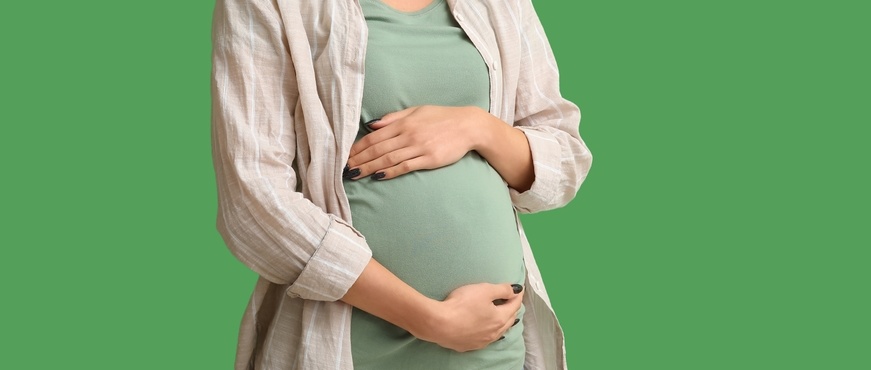
¿Qué es la preeclampsia y cómo puede afectar a las mujeres embarazadas?
Revisado por Dr Colin Tidy, MRCGPÚltima actualización por Lawrence HigginsÚltima actualización 7 Mar 2026
Cumple con las directrices editoriales
- DescargarDescargar
- Compartir
- Language
- Discusión
- Versión en audio
- Agregar a fuentes preferidas en Google
Pre-eclampsia is a condition that affects blood pressure in pregnancy, but despite up to 6 out of every 100 women experiencing it, we still don’t know exactly what causes it. Here we look at what are its effects and what what it means for long-term health.
¡Inscríbete en nuestro curso gratuito de 8 semanas sobre Embarazo Saludable!
Cada semana compartiremos información útil y consejos esenciales sobre temas como nutrición, ejercicio, salud mental, síntomas a tener en cuenta y preparación para el parto, para ayudarte a navegar tu viaje de embarazo en cualquier etapa en la que te encuentres.
Al suscribirte aceptas nuestros Política de Privacidad. Puedes darte de baja en cualquier momento. Nunca vendemos tus datos.
¿Qué es la preeclampsia?
Deirdre de Barra, head of pregnancy information at the pregnancy charity Tommy’s, explains that pre-eclampsia is a ‘hypertensive disorder’ - which combines raised blood pressure and often protein in the pee and problems with the riñones or liver.
"These symptoms will not be obvious to you and you will not know if you have them. However, they are picked up in your routine appointments through the control de la presión arterial checks and pee tests," she says.
"Pre-eclampsia usually affects women during the second half of pregnancy or soon after the baby is delivered."
Symptoms of pre-eclampsia include:
Swollen ankles. feet, face and hands.
Dolor de cabeza intenso.
Problemas de visión.
Around 6 in 100 people have a mild version of pre-eclampsia, but 2 in 100 have a severe form.
It can lead to serious complications for both mother and baby if not monitored or treated. “If pre-eclampsia is severe, it can start to affect other systems in the body - but these complications are rare,” says De Barra.
What causes pre-eclampsia?
Despite pre-eclampsia being relatively common, we still don’t fully understand what causes the condition. It is thought to happen when there’s a problem with the placenta - an organ that develops in the womb during embarazo. The placenta moves oxygen, nutrients, and antibodies from your blood to your baby, and pre-eclampsia may develop when the blood supply to the placenta is weaker.
A large-scale study called POPPY involving up to 3,500 first-time mums was launched in 2023 - and still ongoing - to find out more about pre-eclampsia. Women are being monitored before, during and after their embarazo to see what factors might be influencing the health of their placenta.
Dr Bernadette Jenner, a medical registrar in obstetric medicine at Cambridge University Hospitals NHS Foundation Trust who is leading the POPPY study in Cambridge, said:
"This study is the first of its kind, monitoring thousands of women before they become pregnant for the first time and tracking them through their pregnancies to try and discover why some develop placental conditions and others don’t," she says.
"We also hope to find out whether or not these conditions trigger longer-term health issues such as enfermedades del corazón y diabetes. Our lack of knowledge and understanding about placental conditions is really poor, especially when you consider how common they are, and the serious impact they can have on women and babies, which at times is life-threatening."
De Barra adds that like many pregnancy complications and broader ‘women’s health issues’, pre-eclampsia research has not seen the financial investment and attention it deserves. "However, our understanding of pre-eclampsia, how it develops and who is at highest risk has progressed in recent years," she explains.
"For example, as a result of the Tommy’s PARROT trial a quick, accurate, simple blood test is now available that can screen for pre-eclampsia risk. It measures levels of a protein called placental growth factor. If you're between 20 weeks and 36 weeks and 6 days (36+6) pregnant, and your doctors think you may have pre-eclampsia, they may offer you this blood test to help rule out pre-eclampsia."
Who is at higher risk of developing pre-eclampsia?
Presión arterial alta, diabetes, autoimmune conditions, age, and having la obesidad before pregnancy can increase the risk of pre-eclampsia and placental dysfunction, but it’s unclear exactly why and whether there are other causes. This is something the POPPY study is exploring.
"Others who have a slightly raised risk include women and birthing people over 40, those with a higher IMC, those who are expecting more than one baby, those having a first pregnancy or a pregnancy when their last one was more than 10 years ago, and people with a family member who has had pre-eclampsia," says De Barra.
Can pre-eclampsia affect someone’s long-term health?
Having pre-eclampsia increases the risk of developing presión arterial alta, enfermedades del corazón y accidente cerebrovascular in later life, and also raises the risk of having it again in a future pregnancy.
But it’s not clear however whether placental complications cause heart disease and diabetes directly, or whether these conditions happen in women who already have underlying or unknown health issues before pregnancy.
"However, healthy lifestyle changes like avoiding fumar, hacer ejercicio, eating a balanced dieta and maintaining a healthy weight will help reduce this risk," De Barra says.
How is pre-eclampsia treated?
Fleur Parker, an NCT Practitioner and antenatal educator, pre-eclampsia is usually resolved with the baby’s birth, although treatment doesn’t usually end straight away.
After being diagnosed, you’ll be assessed by a specialist and given the necessary treatment. If you have pre-eclampsia, you'll be closely monitored until it's possible to deliver the baby. You may be advised to have your baby at the 37th or 38th week of pregnancy, which may mean you need to be induced - have labour brought on artificially - or need to have a cesárea. Delivering your baby early reduces the risk of complications from pre-eclampsia.
"After having your baby, a longer hospital stay may be required so your blood pressure can be monitored, and medication may be prescribed if necessary," she says. "People with pre-eclampsia are often home and recovering well after a couple of weeks in my experience."
If you’re worried about your health at any point during pregnancy - or if you’re concerned about any changes in your wellbeing - it’s essential to speak to your midwife or your doctor.
Selecciones del paciente para Complicaciones

Embarazo
Acné durante el embarazo: por qué ocurre y cómo tratarlo
Todos conocemos el estereotipo de la madre embarazada radiante, con su piel luminosa, perfecta y clara, pero la realidad de las hormonas impredecibles del embarazo puede ser algo diferente. Para las mujeres afectadas por el acné adulto, no saber cómo reaccionará su piel — o cómo mantenerlo bajo control sin muchos de los tratamientos más comúnmente recetados — puede ser una preocupación durante el embarazo o al planear concebir. Pero hay varias opciones seguras para mantener a raya el acné del embarazo.
por Sarah Graham
Embarazo
¿Es seguro tomar medicamentos para la epilepsia durante el embarazo?
Hannah* was first prescribed sodium valproate to control her epilepsy when she was 13 years old. "At the time, I wasn't told about any of the risks and then I fell pregnant at 16," she says. "The pregnancy miscarried at four months, due to severe abnormalities with the baby, which were caused by my medication." More than 20 years later, UK drug regulator the MHRA last month announced a ban on prescribing sodium valproate to women and girls of childbearing age, unless they sign a form to say they understand the risks.
por Sarah Graham
Sobre el autorVer biografía completa
Actualizado por

Lawrence Higgins
Editor gerente
Licenciatura, Diploma de Posgrado
Lawrence ha trabajado como editor jefe de Patient.info y como autor colaborador. También es miembro del Guild of Health Writers.
Escrito por

Lydia Smith
Escritora de artículos
BA, MA, MSc
Lydia Smith es una periodista galardonada y escritora de reportajes que ha escrito extensamente sobre la salud de las mujeres y la salud mental. Actualmente está estudiando una maestría en psicología.
Acerca del revisorVer biografía completa

Dr Colin Tidy, MRCGP
Médico General, Autor Médico
MBBS, MRCGP, MRCP (Paediatrics), DCH
El Dr. Colin Tidy es un médico del NHS, con sede en Oxfordshire.
Historial del artículo
Artículo también disponible en Inglés, Alemán, Español, Francés, Italiano, Portugués, Hindi, Hebreo, Árabe, y Sueco.
Next review due: 7 Mar 2029
7 Mar 2026 | Última versión
22 Sept 2023 | Publicado originalmente
Escrito por:
Lydia Smith
Únete a la conversación
Comparte tus pensamientos o experiencias con otros en nuestro comunidades de pacientes.

Pregunta, comparte, conecta.
Navega por discusiones, haz preguntas y comparte experiencias en cientos de temas de salud.

¿Te sientes mal?
Evalúa tus síntomas en línea de forma gratuita
Suscríbete al boletín de Patient
Tu dosis semanal de consejos de salud claros y confiables, escritos para ayudarte a sentirte informado, seguro y en control.
Al suscribirte aceptas nuestros Política de Privacidad. Puedes darte de baja en cualquier momento. Nunca vendemos tus datos.