What your pregnancy cravings could mean
Peer reviewed by Dr Sarah JarvisLast updated by Sara LindbergLast updated 6 Apr 2018
Meets Patient’s editorial guidelines
- DownloadDownload
- Share
- Language
- Discussion
- Audio Version
- Add to preferred sources on Google
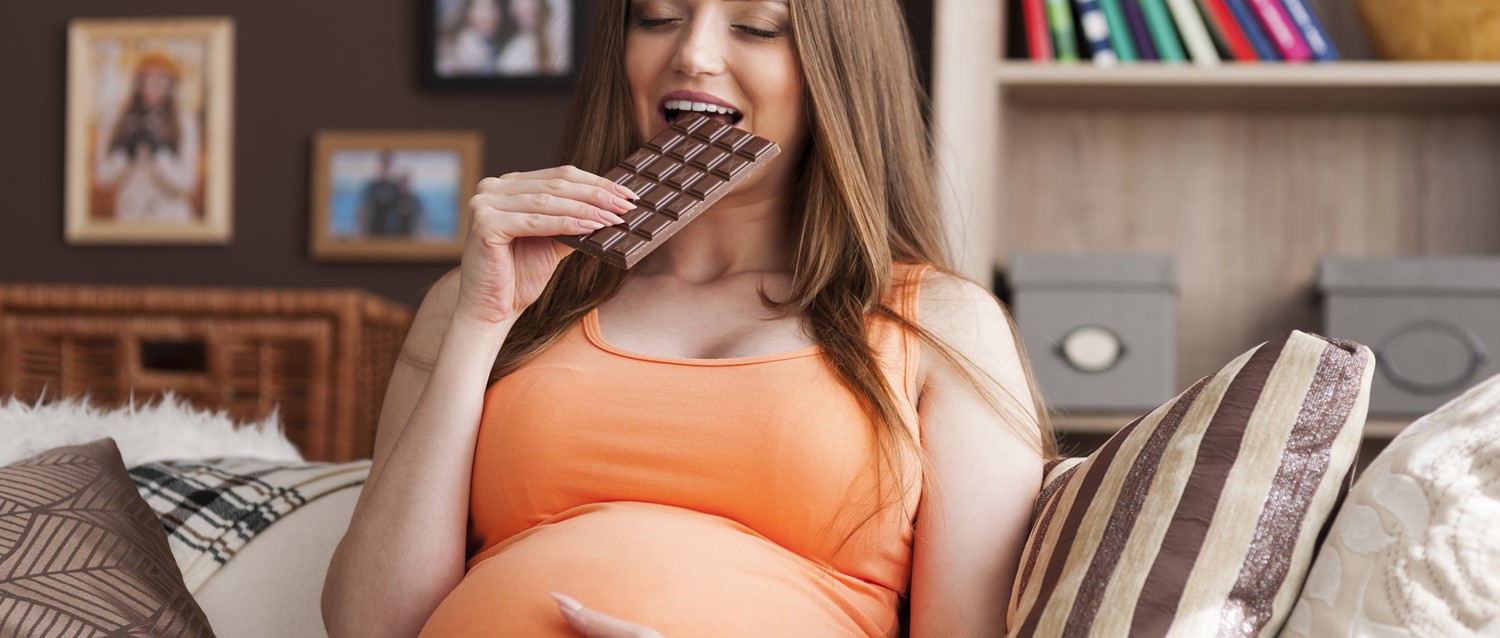
Have you been experiencing any out-of-the-ordinary food cravings during your pregnancy? If you've been on more than a few dates with a tray of ice cubes or an extra-large chocolate bar over the last few months, you're not alone. We explore what your cravings could mean.
Sign up for our free 8-week Healthy Pregnancy course!
Each week we’ll share useful information and essential tips on topics such as nutrition, exercise, mental health, symptoms to look out for, and preparing for childbirth, to help you navigate your pregnancy journey whatever stage you are at.
By subscribing you accept our Privacy Policy. You can unsubscribe at any time. We never sell your data.
Why do pregnant women crave certain foods?
While it's difficult to pinpoint exactly why some women experience food cravings, obstetrician Dr Cindy MP Duke says that some probably have a physiologial explanation (such as nutritional deficiencies and hormonal changes). But others can't be explained, possibly because research on the topic is lacking.
Brooklyn-based Brandice Taylor-Davis says that throughout her pregnancy she craved two things the entire time: steak and ice lollies - of which she would eat four at a time.
"I also craved steak almost daily, but we eventually discovered I was severely anaemic and that was corrected through iron supplements. I did crave steak less after that."
When cravings are more likely
Some women will crave the same foods throughout pregnancy but, for others, the cravings may change. Duke explains that pregnant women can also develop aversions to certain smells and flavours of foods that were previously pleasing to them. This has to do with how their sensory nerves perceive and respond to smell and taste.
If you've experienced a sudden love for cakes and fizzy drinks during the first few months of pregnancy, there's a reason for it. Duke says that most cravings occur in the first and second trimester as a result of the dramatic shift in hormones.
The most common pregnancy food cravings
It should come as no surprise that the majority of women who experience cravings during pregnancy desire unhealthy food.
"Cravings for sweet foods and starchy carbohydrates are usually at the top of the list and in my nutrition clinics pregnant women report the desire for refined carbs from early pregnancy, and especially when nausea kicks in," explains nutritionist, Yvonne Bishop-Weston.
In fact, a pregnancy cravings survey commissioned by Pregnacare found that women want everything from ice cubes to dry chocolate powder when expecting.
The group surveyed 1,400 women in the UK. Here are a few highlights:
More than a third of women said they craved ice cubes.
Cake, fizzy drinks, ice cream and spicy food were popular cravings.
The study also suggests an increase in cravings for cake, biscuits, fizzy drinks and burgers when compared with previous generations.
Haribo® sweets, boiled eggs with horseradish and garlic mushrooms dipped in custard are among some of the strange foods craved by pregnant women.
Others admitted to having a hankering for dry chocolate powder, while one vegetarian even said she suddenly developed a taste for bacon.
Three in ten women said they were desperate to tuck into chocolate. They said their mothers had also craved chocolate but were more likely to have hankered after food such as lean proteins and fish during their pregnancies as well.
Bishop-Weston suggests that what pregnant women crave does seem to be influenced by regional diets and availability of foods.
What are some non-food cravings?
In addition to food-related cravings, some pregnant women will also experience non-food cravings (a phenomenon known as pica). Duke explains that pica is sometimes driven by the anaemia some women experience during pregnancy. This can cause a pregnant woman to crave things like coal, dirt, chalk and sand.
If you are experiencing any of these cravings, it's best to talk to your doctor about ways to manage the condition for the remainder of your pregnancy.
How to maintain a healthy diet during pregnancy
Eating for two is part of the fun of being pregnant, right? Yes, but you must proceed with caution. Just because you are growing a baby, doesn't give you the green light to eat whatever you want.
Plus, pregnancy can be rough on your body. Not only do you have a constant shift in energy levels and varying degrees of nausea, you're also hit with the highs and lows of emotions, due to fluctuating hormones. That's why it's important to maintain a healthy diet, despite some of the intense food cravings you may be experiencing.
Since most of the reported food cravings don't tend to be for the healthy foods which are needed in pregnancy, "it’s critical that you focus on eating a rainbow of differently coloured fruits and vegetables, whole grains, beans, lentils and seeds," explains Bishop-Weston.
Here are some other things you can do to maintain a healthy diet during pregnancy:
Avoid alcohol.
Take a supplement of 10 micrograms a day of vitamin D throughout pregnancy, and 400 micrograms a day of folic acid until 12 weeks pregnant. Ideally begin them as soon as you start trying to get pregnant. You may find it easier to take an antenatal vitamin supplement that includes these and other vitamins and minerals.
if you have diabetes, are taking medication for epilepsy, or if you or members of your family have a history of neural tube defects, you may need to take a higher dose of folic acid.
Consume a wide variety of fruits and vegetables, especially those rich in folic acid, such as green vegetables.
Eat iron-rich foods such as red meat, dried fruit, green vegetables and fortified cereals.
Consume calcium-rich foods such as yoghurt, milk and cheese.
Eat plenty of fibre, which can be found in wholegrain bread as well as fruit and vegetables.
Drink plenty of water to stay adequately hydrated.
Patient picks for Diet and lifestyle
Pregnancy
Which pregnancy vitamins do I really need?
With so many pregnancy vitamins on the market, it can be hard to know where to begin. So which vitamins do you actually need during pregnancy and which are less essential?
by Abi Millar
Pregnancy
How to safely maintain your exercise routine while pregnant
Exercising during pregnancy can be a confusing subject, with a wealth of conflicting advice doing the rounds. For every runner who goes into labour after running a marathon, or weightlifter who takes part in a CrossFit inspired maternity shoot, there's another woman who's convinced exercise will harm the baby.
by Abi Millar
About the authorView full bio

Sara Lindberg
Senior Writer
BSc (Hons), MSc
Sara Lindberg is a freelance health, fitness, and wellness writer.
About the reviewerView full bio

Dr Sarah Jarvis
Clinical Consultant
MA (Cantab), BM, BCh (Oxon), DRCOG, FRCGP, MBE
After training in medicine at Cambridge and Oxford, Dr Sarah Jarvis MBE became a GP.
Article history
The information on this page is peer reviewed by qualified clinicians.
Article also available in English, German, Spanish, French, Italian, Portuguese, Hindi, Hebrew, Arabic, and Swedish.
6 Apr 2018 | Latest version
Join the conversation
Share your thoughts or experiences with others in our patient communities.

Ask, share, connect.
Browse discussions, ask questions, and share experiences across hundreds of health topics.

Feeling unwell?
Assess your symptoms online for free
Sign up to the Patient newsletter
Your weekly dose of clear, trustworthy health advice - written to help you feel informed, confident and in control.
By subscribing you accept our Privacy Policy. You can unsubscribe at any time. We never sell your data.
More in pregnancy
- Do anabolic steroids cause infertility?
- Does taking paracetamol in pregnancy lead to behavioural problems in kids?
- Experts dispute new study linking C-section births to autism
- Fertility diet: what to eat when you're trying to get pregnant
- Free morning-after pill now available at UK pharmacies
- General pregnancy videos
- Gestational diabetes - what's the outlook?
- Healthy pregnancy - what you need to know
- How does miscarriage affect partners?
- How to create a birth plan
- How to feel more confident about childbirth
- How to plan for pregnancy when you have mental health problems
- How to quit smoking during pregnancy
- How to stay healthy and safe when pregnant at Christmas
- Our top tips for coping with hot weather and pregnancy
- Should you change your contraception to the coil or implant?
- The best and the worst times of year to get pregnant
- What causes dizziness in pregnancy?
- What you need to know about inducing labour
- When should you announce a pregnancy?