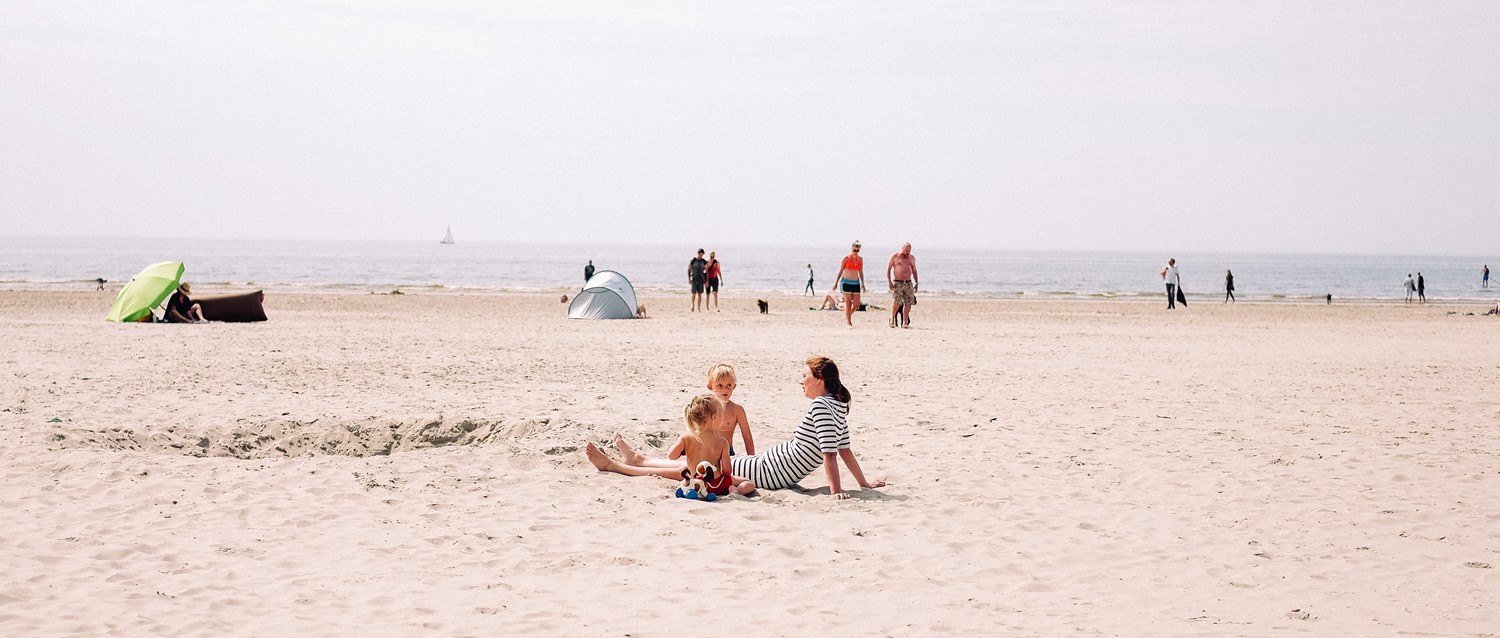
The warning signs of heatstroke and heat exhaustion
Peer reviewed by Dr Hayley Willacy, FRCGP Authored by Dr Sarah JarvisOriginally published 25 Jun 2020
Meets Patient’s editorial guidelines
- DownloadDownload
- Share
- Language
- Discussion
- Audio Version
- Add to preferred sources on Google
Hot weather may be great news for ice cream salesmen, but it can be risky for your health. No one wants to get heat exhaustion (or the more serious heatstroke), so take note of the following tips for staying safe this summer.
Across most of the world, the sun is something we look forward to. But it wasn't always that way, even in the decidedly non-tropical UK. Until only a couple of hundred years ago, people wouldn't dream of exposing themselves to the sun by choice. Women painted and powdered their skins to look as white as possible. Being pale and interesting meant you weren't forced to work outside as a manual labourer - you could afford to stay inside.
These days, if you can't get the real thing, there are sunbeds (very bad news health-wise) and artificial tans (a much safer alternative if you don't fancy the pale English rose look). But most of us bolt out into the sunshine the moment we can, often forgetting the very real risks of too much heat.
Heat exhaustion
Remember homeostasis from your school biology lessons? Your body is very good at it. It means keeping your internal environment constant, regardless of what's going on outside. Like a finely tuned racing car, your body's internal processes work best when levels of water, body salts and temperature are just right.
So when you get hot, your body's protection mechanisms kick in. You sweat to lose heat; your urine becomes more concentrated to preserve water, and your body tells you that you need to drink more and get out of the sun.
But if you stay in the heat, your body starts to struggle and here's where the problems start. You might begin to feel dizzy or sick. Heat exhaustion can also creep up on you quickly. It's largely down to dehydration causing a drop in blood pressure, and old and young, along with people with diabetes using insulin or those with heart or kidney problems, are at biggest risk.
Symptoms
The key signs and symptoms of heat exhaustion to look out for include: dizziness and feeling faint, tiredness, headache, feeling sick, lack of appetite, and cramping stomach pain. You may have clammy, pale skin and be sweating profusely. And you may be passing less urine than usual (which will be very dark in colour).
How to treat it
Fluid and a cool environment are key to treating heat exhaustion. If you think you're showing signs, immediately move to a cool room and take off as much clothing as possible, particularly if you're wearing tight clothes. It's a good idea to take a cool bath or shower if you can. But if there are no bathing facilities, sponge yourself down with cool water.
If there's fan nearby, put it on - if your skin is damp, the evaporation will cool you down quicker. Drink as much non-alcoholic fluid as you can and lie down if possible. If you're not feeling better within about half an hour, seek medical help.
The difference between heat exhaustion and heatstroke
Heat exhaustion is not serious and usually gets better once you've cooled down. But if it turns into heatstroke, this is a medical emergency.
In heatstroke, your body can no longer cope. The normal mechanisms to keep your body cool give up, and your temperature soars to over 40°C.
Sunstroke is a form of heatstroke. The only difference is that it's caused specifically by being exposed to too much direct sunlight. Symptoms and treatment are exactly the same as for heatstroke - they're both medical emergencies.
Symptoms of heatstroke
Other symptoms include:
Severe, throbbing headache.
Feeling very sick and vomiting.
Fast pulse (which can be weak or very strong and 'bounding' along).
Shallow, rapid breathing.
Very hot, flushed skin.
Weak or cramping muscles.
No sweating despite being very hot.
Dizziness, feeling faint or fainting.
Confusion and agitation.
Seizures.
Sometimes, collapse and loss of consciousness.
What to do
Heatstroke is a medical emergency and it can cause serious damage to kidneys and other vital organs if not treated promptly. People suffering from heatstroke are unlikely to be able to treat themselves. If you think someone has heatstroke, telephone for an ambulance immediately (in the UK, dial 999).
While you're waiting for medical help, move them to a cool place and lay them down. Stay with them at all times, and remove as much of their clothing as possible. Wet their skin with cool water, then fan them. If the person loses consciousness, put them in the recovery position.
How to prevent heat-related illnesses
Prevention, of course, is always better than cure. So follow these steps for staying safe this summer.
Dress for summer
Play it cool in loose, breathable clothing. Cotton and linen are ideal. Tight synthetic clothes like Lycra make it harder for your body to regulate your temperature, and make you prone to prickly heat. Wear light-coloured clothes that reflect light.
Sun safety
Wear sunscreen on all exposed areas when you're out - don't forget your lips and the tips of your ears. Your scalp can get burnt too - wear a hat (ideally wide-brimmed) outside. And stay out of the sun from 11am to 3pm.
When it's really hot outside, pull the curtains and shut the windows (ideally, light-coloured curtains that will reflect light and heat).
Cool shades
Protect your eyes as well as your skin. Sun damage to your eyes increases the risk of cataracts and age-related macular degeneration in later life. Choose sunglasses with high-UV protection.
High humidity
Be particularly wary when the weather is very humid. You lose less heat from sweat in humid weather, increasing the risk of heat exhaustion and heatstroke.
Drink up
Don't wait until you're thirsty to have a drink. As you get older, your body gets less good at recognising dehydration and responding by making you thirsty.
As a very rough rule of thumb, your urine should be pale straw-coloured. If it's darker than this (think Lucozade-colour) it's probably because you're dehydrated, and your kidneys are trying to conserve body water by making your urine more concentrated.
Water, juice, milk and flavoured drinks all count towards your daily fluid intake - but beware the sugar content of sweetened drinks and even fruit juice. Water is ideal.
Caffeinated drinks count towards your daily fluid intake up to 400 mg caffeine a day - about eight cups of tea or four cups of coffee. Don't have more than 2200 mg of caffeine in a day if you're pregnant.
But not alcohol
When is a fluid not a fluid? When it's alcohol! Alcohol is a diuretic and makes you pass more water, increasing the risk of dehydration.
Patient picks for Summer health
General health and lifestyle
How to sleep better in the heat
It can feel impossible to get a good night’s sleep when it's hot. You can't get comfortable when you're too hot, which can make you feel even more tired and lethargic the next day. So how can you sleep better when the temperature soars?
by Lawrence Higgins
General health and lifestyle
How to stay cool indoors this summer
The UK is not exactly renowned for its blazing hot summers, so most of us welcome with open arms a rise in mercury levels. Others find warmer weather uncomfortable and, for some people, the heat can even pose a health hazard.
by Victoria Raw
Frequently asked questions
Can using a sunbed cause sunstroke?
Sunstroke is a specific form of heatstroke caused by too much direct sunlight exposure. While sunbeds emit UV radiation, the article does not mention them as a cause of sunstroke or heatstroke.
How can I prevent my body from overheating?
To prevent overheating, wear loose, breathable, light-coloured clothing made of materials like cotton or linen. Protect your skin with sunscreen, wear a wide-brimmed hat, and try to stay out of direct sun between 11 am and 3 pm. Inside, close curtains and windows to keep heat out. Also, drink plenty of fluids and be extra cautious when it's humid.
Does humidity increase the risk of heat-related illnesses?
Yes, high humidity can increase your risk of heat exhaustion and heatstroke. This is because your body loses less heat through sweating in humid conditions, making it harder for you to cool down effectively.
How can I tell if I'm not drinking enough fluid?
A simple way to check your hydration is by looking at your urine colour. It should ideally be a pale straw colour. If it's darker, like the colour of Lucozade, it likely indicates dehydration, as your kidneys are concentrating your urine to conserve body water.
Do caffeinated drinks contribute to my daily fluid intake?
Yes, caffeinated drinks like tea and coffee do count towards your daily fluid intake. You can consume up to 400 mg of caffeine per day, which is roughly equivalent to eight cups of tea or four cups of coffee, without it negatively impacting your hydration.
About the authorView full bio
Authored by

Dr Sarah Jarvis
Clinical Consultant
MA (Cantab), BM, BCh (Oxon), DRCOG, FRCGP, MBE
After training in medicine at Cambridge and Oxford, Dr Sarah Jarvis MBE became a GP.
About the reviewerView full bio

Dr Hayley Willacy, FRCGP
General Practitioner, Medical Author
MBChB (1992), DRCOG, DFFP, MRCOG (Part 1) MRCGP (2007), DFSRH (2013), MSc - medical education (2020)
Dr Hayley Willacy was an NHS GP working in northwest England, who retired from clinical practice in 2022 after 30 years.
Article history
Article also available in English, German, Spanish, French, Italian, Portuguese, Hindi, Hebrew, Arabic, and Swedish.
25 Jun 2020 | Originally published
Authored by:
Dr Sarah JarvisPeer reviewed by
Dr Hayley Willacy, FRCGP
Join the conversation
Share your thoughts or experiences with others in our patient communities.

Ask, share, connect.
Browse discussions, ask questions, and share experiences across hundreds of health topics.

Feeling unwell?
Assess your symptoms online for free
Sign up to the Patient newsletter
Your weekly dose of clear, trustworthy health advice - written to help you feel informed, confident and in control.
By subscribing you accept our Privacy Policy. You can unsubscribe at any time. We never sell your data.