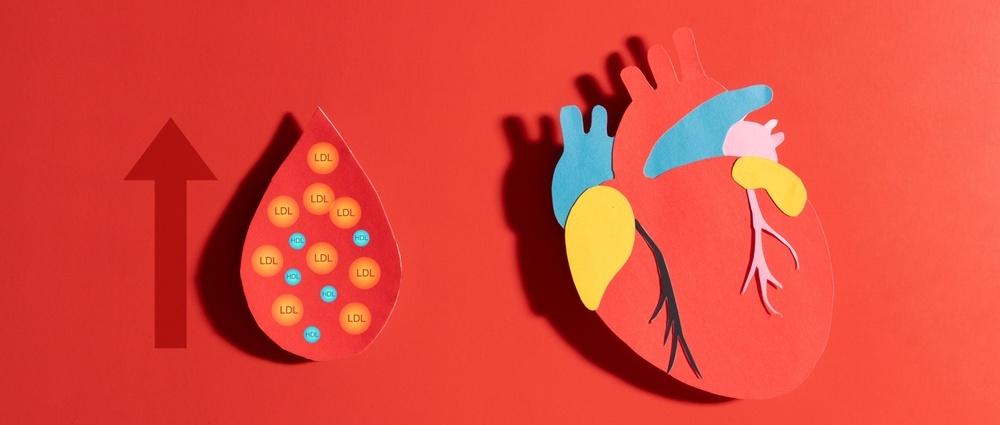
Conozca sus niveles de colesterol
Peer reviewed by Dr Colin Tidy, MRCGPLast updated by Lynn StephenLast updated 21 Dec 2025
Satisface las necesidades del paciente directrices editoriales
- DescargarDescargar
- Compartir
- Idioma
- Debate
Ya se ha revisado el colesterol, pero ¿qué significan realmente esas cifras? ¿Y qué debe hacer ahora? Veamos los hechos y las cifras.
En este artículo:
Seguir leyendo
¿Necesito una prueba de colesterol?
En el Reino Unido, el NHS le hará una prueba de colesterol gratuita si se da alguna de las siguientes circunstancias, ya que aumentan las probabilidades de que tenga el colesterol alto:
Tienes más de 40 años.
Padece una enfermedad coronaria o diabetes.
Ha sufrido anteriormente un ictus o un miniictus.
Tiene antecedentes familiares de enfermedades cardiovasculares o afecciones relacionadas con el colesterol.
You take medicine to lower cholesterol.
Even if you don't have a free service in countries such as the US, testing isn't expensive, and it's still recommended that you start checking your cholesterol early on in life. According to the Centers for Disease Control and Prevention (CDC), most healthy adults should have their cholesterol checked every 4 to 6 years.
¿Qué significan las cifras?
¿Qué es el colesterol alto?
Cholesterol levels are measured in millimoles per litre (mmol/L) in the UK. The government recommends that the general population aims for under 5 mmol/L of total cholesterol (TC) levels, but up to three out of five adults in the UK have levels of 5 mmol/L or above.
Your doctor will explain your cholesterol readings and what they mean in terms of your future health - mainly whether you have a high, moderate or low chance of developing cardiovascular disease (CVD) within the next 10 years.
Después de la prueba, es posible que sólo le den la cifra TC, pero puede pedir a su médico de cabecera los resultados completos y anotarlos para compararlos con futuros controles.
He aquí una guía rápida para conocer sus niveles de colesterol.
Seguir leyendo
Colesterol total (CT)
La cantidad total de colesterol en la sangre
What's healthy? Government advice has moved away from giving absolute figures, but ideally your cholesterol should be be 5 mmol/L or less. This becomes 4 mmol/L or less if your chances of developing CVD are higher, or you have high blood pressure, diabetes or have had a previous cholesterol-related heart issue.
What should I do? If your cholesterol level is too high, you can help bring it down by making some diet and lifestyle changes.
Entre ellas figuran:
Ser más activo.
Cutting down on foods rich in saturated fats, such as butter, lard, and full-fat dairy.
Cambiar las carnes grasas por carnes magras, como el pollo.
Eating more foods with healthy fats, such as olive oil, nuts, seeds, and oily fish.
Días sin carne: prueba Quorn® o los productos de soja.
Eating more fruits, vegetables, and whole grains, especially oats and barley.
Incluir en su dieta más alimentos enriquecidos con esteroles o estanoles vegetales.
Su médico o enfermera le dirán cuándo tiene que volver a hacerse la prueba.
Colesterol HDL (HDL-C)
El colesterol bueno
¿Qué es saludable? Lo ideal es que sea superior a 1,2 mmol/L en las mujeres y a 1 mmol/L en los hombres. En general, cuanto mayor sea su nivel de HDL, más protegido estará contra las enfermedades cardíacas.
What should I do? If your HDL-C levels are healthy, and your chance of CVD is low, you should have your cholesterol tested every five years.
To maintain healthy HDL-C levels, make sure you:
Mantente activo.
No fumes o, si fumas, deja de hacerlo.
Intenta perder el exceso de grasa abdominal.
Sigue una dieta sana: consulta los consejos anteriores.
Pide más consejos a tu médico.
It's sometimes possible to get a false reading, so if there's anything unusual about your test results, your doctor may ask for the test to be repeated. If your HDL-C level is high, this can also make your TC level look high, so your doctor usually checks all the components to your blood test - TC, HDL-C and LDL-C levels.
Seguir leyendo
Colesterol LDL (LDL-C)
El colesterol malo
¿Qué es saludable? Lo ideal es que sea de 3 mmol/L o menos, o de 2mmo/L si eres de alto riesgo.
¿Qué debo hacer? Si la lectura de su LDL-C está fuera de los niveles saludables, hable con su médico. Si es superior a 4,9 mmol/l y tiene antecedentes familiares de cardiopatía coronaria precoz, podría padecer hipercolesterolemia familiar (HF ), una forma de hipercolesterolemia hereditaria que requiere tratamiento y cambios en el estilo de vida.
Otros miembros de su familia pueden padecer la misma enfermedad, por lo que es importante obtener un diagnóstico adecuado para que todos puedan recibir el tratamiento adecuado. Si tu nivel de LDL-C es alto por otros motivos, cambiar tu dieta y tu régimen de ejercicio podría ayudarte a recuperar el colesterol malo.
El médico también puede recetarle estatinas, un grupo de medicamentos que ayudan a reducir el LDL-C en sangre, sobre todo si padece HF u otros factores de riesgo como la edad, la diabetes, el tabaquismo o la hipertensión arterial.
Colesterol no HDL: es el colesterol total menos el nivel de colesterol HDL. Es decir, la suma de todos los colesteroles malos, incluido el colesterol LDL.
¿Qué es saludable? Lo ideal es que sea de 4 mmol/L o menos.
What should I do? This reading has been shown to help calculate your likelihood of CVD more accurately than before. So if yours is high, you have a higher chance of developing CVD.
Your doctor may prescribe a statin but will recommend you follow healthy lifestyle advice (see above) too, along with losing weight and quitting smoking if needed. Exercise can be very helpful, as it can help raise HDL-C levels which offsets any rise in non-HDL cholesterol.
Relación TC:HDL
Su cifra de colesterol total dividida por la cifra de HDL-C
¿Qué es saludable? Cuanto más baja sea esta cifra, mejor. Lo ideal es 4,5, mientras que por encima de 6 se considera de alto riesgo.
What should I do? This reading will help your doctor work out whether your overall cholesterol levels are healthy, which in turn helps them calculate your chance of developing CVD - another reason why it's important to have full cholesterol results, not just TC.
It could be high if your TC, LDL-C and non-HDL cholesterol levels are too high, or if your HDL-C is too low, or a combination of both. Maintaining a healthy TC:HDL ratio long-term can help reduce your likelihood of having CVD in future. You can do this by following the advice above.
Triglicéridos (TG)
Otro tipo de grasa que se encuentra en la sangre, procedente principalmente de los alimentos que ingerimos
¿Qué es saludable? Menos de 1,7 mmol/L idealmente en una muestra en ayunas, o menos de 2,3 mmol/L en una muestra sin ayunar.
What should I do? High triglyceride levels are often seen with low HDL levels - an unhealthy combination linked with early heart disease. It can also cause a painful condition called pancreatitis which needs to be seen by a doctor immediately.
People can have raised levels for many reasons, but the most common reasons are lifestyle-related:
Tener forma de manzana: llevar un exceso de peso alrededor de la barriga.
Desarrollar o padecer diabetes de tipo 2.
Consumo excesivo de alcohol.
You can keep your triglyceride levels low by losing weight, being more active and eating sensibly, especially by cutting back on alcohol, sugary foods, and saturated fats, and eating more fruits, vegetables, pulses, and whole grains.
¿Y ahora qué?
There's no specific cholesterol level at which you will or won't have a heart attack, but they do help form part of a bigger picture. Your doctor uses these numbers alongside other risk factors, such as your family history, weight, age, sex and ethnicity, plus whether you smoke or have high blood pressure, to calculate your chance of CVD.
Once your risk has been worked out, your doctor will suggest a number of options to help you maintain healthy cholesterol levels and reduce your susceptibility to developing CVD. But whatever your cholesterol reading, it's always worth following a healthy lifestyle to help keep your cholesterol in check.
¿Aún tienes dudas? Hable con su médico o visite la Fundación Británica del Corazón y Heart UK, la organización benéfica contra el colesterol.
Selección de pacientes para Colesterol alto

Salud del corazón y vasos sanguíneos
Cómo reducir el colesterol
Los infartos de miocardio y los accidentes cerebrovasculares han disminuido un 30% en el Reino Unido en las dos últimas décadas. Sin embargo, siguen siendo un grave peligro para la salud. Los medicamentos eficaces para reducir el colesterol y la presión arterial han desempeñado un papel importante, pero también puede aumentar las probabilidades a su favor con cambios en el estilo de vida. Mantener un peso saludable puede reducir considerablemente los niveles de colesterol malo (LDL) y aumentar los de colesterol bueno (HDL), que protege el corazón.
por Victoria Raw

Salud del corazón y vasos sanguíneos
Cómo comprar una dieta baja en colesterol
Doing the weekly shop when you're not sure what to put in your trolley can be tricky - especially when branding and confusing food labels can make it hard to tell what's healthy and what's not. If you have high cholesterol, this can be a particular struggle. But you can turn detective and hunt out the healthy options with our guide to food shopping for a low cholesterol diet.
por Amberley Davis
Seguir leyendo
Historia del artículo
La información de esta página ha sido revisada por médicos cualificados.
Next review due: 21 Dec 2028
21 Dec 2025 | Latest version
27 Sept 2017 | Publicado originalmente
Autores:
Danny Chadburn

Pregunte, comparta, conecte.
Explore debates, formule preguntas y comparta experiencias sobre cientos de temas de salud.

¿Se encuentra mal?
Evalúe sus síntomas en línea de forma gratuita
Sign up to the Patient newsletter
Your weekly dose of clear, trustworthy health advice - written to help you feel informed, confident and in control.
By subscribing you accept our Privacy Policy. You can unsubscribe at any time. We never sell your data.