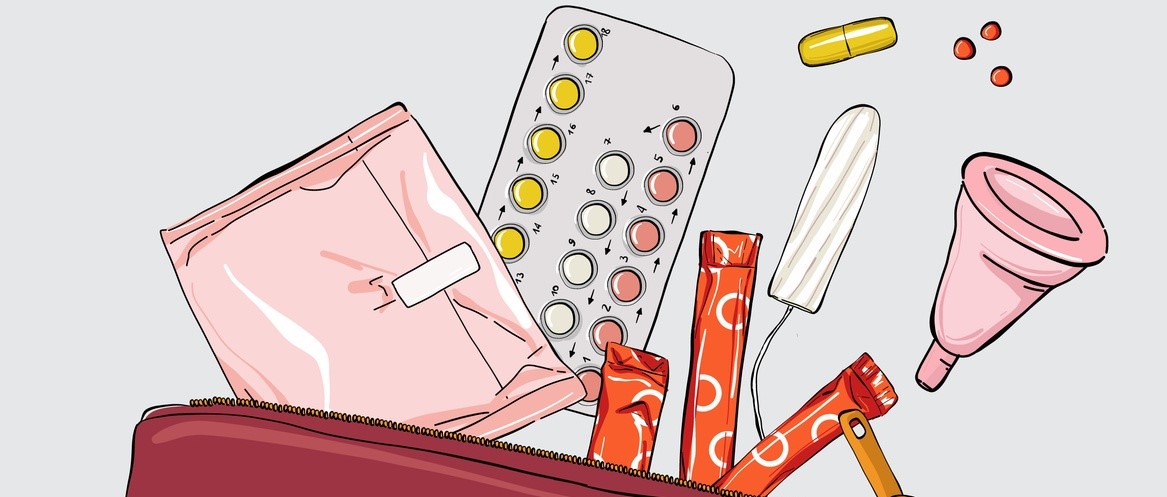
Period poverty: a public health crisis
Peer reviewed by Dr Krishna Vakharia, MRCGPAuthored by Amberley DavisOriginally published 10 Mar 2023
Meets Patient’s editorial guidelines
- DownloadDownload
- Share
- Language
- Discussion
- Audio Version
- Add to preferred sources on Google
Period poverty in the UK is affecting a growing number of women and girls - denying them essential hygiene, risking illness, affecting well-being, and hindering equality.
For the purpose of this article 'girls, females, or women' are those individuals assigned as female at birth. It is not intended to exclude or dismiss individuals who do not identify as female.
What is period poverty?
"Having access to period products is a basic human right - we can't function without them," says Tina Leslie MBE, Freedom4Girls.
Period poverty affects girls, women, and people who menstruate who are unable to afford or access hygienic and safe period products. It's a growing public health concern1 that has profound implications for a person's wellbeing and opportunities in life.
Tina Leslie, founder of period poverty charity Freedom4Girls, explains that period poverty, also known as menstrual equity, is mainly financial:
"Many people are not able to afford menstrual products. This might be because they have no money, or because they are in abusive relationships and have been coerced by their partners into giving over control of their finances."
The charity started in 2017, in response to food banks not providing period products.
"Why should people be worrying about how to manage their periods? It impacts absolutely everything: your sense of dignity, your emotions, your physical and mental health. On average, women have 3000 days of menstruation throughout our lives2. We've all been caught short, but why should we be?" says Leslie.
How does period poverty affect people?
Infection and illness
When women and girls aren't able to manage their periods safely and hygienically, this poses a direct risk to their health.
Imagine that you're in the supermarket and only have enough money for dinner or sanitary pads. To not go hungry, you may be forced to leave your current sanitary pads in when they need to be changed - something that more than one in four of UK women do3.
Or this dilemma could spur you to deal with your period using materials you can get for free or for less money. These options are usually less clean, like newspapers, or even dirty rags in the poorest communities.
How does using unsuitable period products affect your health?
Infection and irritation - unhygienic practises cause urogenital infections, like bacterial vaginosis and urinary tract infections (UTIs)4. Using materials that aren't designed for periods can also lead to skin irritation, green or white vaginal discharge, and vaginal itchiness5.
Serious illness - some of these infections can have long-lasting and devastating consequences. Reproductive and urinary tract infections may lead to infertility and birth complications6.
Mental health - cultural stigmatisation of periods encourages bullying, and being unable to manage periods breeds shame and embarrassment, often resulting in depression and other mental health problems7.
Stigma and dignity
Period poverty is not just a financial issue - it's also about the stigma of menstruation, how this makes women and girls feel, and how this highlights inequality in daily life. One 2020 study found that one third of parents feel uncomfortable speaking to their children about periods8.
Leslie says: "Period dignity is important. In the UK, you will typically go into a public toilet and find no free period products, so often women get caught short. Why do we provide soap and other essentials, but not this. Also, If a child starts their period young, and they don't know what is happening to them, their mental health often suffers."
Work and opportunity
Period poverty affects a lot of menstruating women in low paid jobs. If they can't afford period products, they're going to have to take time off during this time of the month. Freedom4girls is trying to educate employers to tackle this and think about providing easy and free access period products.
The mental toll of having to take time off can also not be under-estimated. Imagine it's your very first day that you're having to miss - if your financial well-being depends on this job, this creates a significant amount of stress.
Who suffers from period poverty?
Some of the most vulnerable people include those who are homeless and those who use food banks. People belonging to groups with particularly high rates of lower income jobs are also more likely to suffer. This includes:
People with disabilities.
Refugees and asylum seekers.
Transgender people.
Is there period poverty in the UK?
It's a myth that period poverty is exclusively a low-income country problem. According to Plan International UK, one in 10 UK girls can't afford period products, and 42% use makeshift period products because they struggle to afford them9.
The current financial crisis has had a huge impact but the problem precedes the recent turmoil. In 2017, period poverty made headlines when a teacher became concerned that girls were missing school due to a lack of access to menstrual products.
Access to period products by UK nation
Scotland - in 2020 became the first country in the world to offer free access for all.
Northern Ireland - in 2022 made free access compulsory in all schools, colleges, and public buildings.
Wales - currently no legislation around free access for all. There are schemes for those in education and for some workers, but without legislative back-up these aren't legally enforced.
England - currently no legislation around free access for all. Schemes exist for those in education up to 19 years old, but these aren't enforced by law and many schools either don't stock or don't promote free period products.
Are you struggling to afford or access period products?
Have you tried...
Swapping one-time-use for reusable products - purchase them to save money long-term, or learn to make them at sewing workshops.
The places most likely to stock free products - this includes NHS hospitals and many food banks. In Scotland, local councils are now required to supply them by law. In other parts of the UK, you can check your local council's website for this service.
Asking your school, college, or university - many now provide free products, but may not have spread the word. If they don't, you can use the Free Periods template letter to encourage them to do so.
Asking supermarkets - some have free period product schemes. In Morrison's, you can ask the customer service desk for "a package for Sandy". In Ireland, you can collect free period product coupons on the Lidl Plus app.
Looking out for signs - some public places advertise period positive toilets that stock free products.
Downloading Hey Girl’s Time of The Month book - for useful advice, including what to do if you start your period at school.
Asking period poverty charities - many donate free period products to individuals in need. These include Freedom4Girls, Hey Girls, and Bloody Good Period.
How can we end period poverty?
Healthcare
Since 2019, NHS England has been required to provide free period products on request - including sanitary pads, tampons, and pantyliners - for their menstruating patients. As well as providing for those needing urgent care, this should help people in hospital long-term, including mental health inpatients.
But is this being enforced across the board? And are all women and girls aware that they can ask for these products while under the care of the NHS? In reality, many GP surgeries haven't thought of supplying products. This could be especially important for people undergoing procedures - both for patient well-being and menstrual hygiene.
Education and schools
Despite the introduction of the 2020 period product scheme in English schools, research from UK charity Girlguiding in 2022 revealed that around oe in three girls aged 11-18 still couldn't access free products in their schools or colleges10.
Lucy and Caitlyn, Girlguiding advocates, said: "We were so pleased in 2020 when the government finally introduced free period products in schools and colleges in England. But our research shows that the scheme isn't working as it should and millions either don't have access to period products or, feel too uncomfortable and embarrassed to access them at school."
As well as free stock in every school, there's a need for better education around menstruation. This includes educating boys from an early age to combat period stigma, and raising awareness among grown men - especially those in management positions - not just over periods, but other menstrual issues such as endometriosis, which can also cause women to struggle in the workplace.
Reusable products
If you live in the UK, you might think of period products as one-use-and-discard items, like disposable tampons. This likely means you need to buy more products at least once every period - over an average of 450 periods in your lifetime. Yet, a one-off purchase suddenly makes safe period protection much more affordable.
Freedom4Girls is promoting reusables in its Make The Switch campaign, with help from Hey Girls. They are spreading the message at universities, community centres, women's groups and other locations, explaining how to use reusables and empowering women to use them for as long as possible.
When used properly:
Menstrual cups - can last 10 years.
Reusable pads - can last four years.
Public spaces
It's not just charities like Freedom4Girls and Hey Girls who can encourage our public spaces to stock free period products. If the toilets in your local/favourite cafes, pubs, theatre, library, clubs, or community centres aren't are period product-free, you could make a big difference by asking them to stock.
"We are encouraging many everyday spaces to have period-positive toilets," says Leslie. "If they agree to provide free period products, we give them a sticker to say they have supported our campaign, that they can then stick in the window to advertise the fact."
Further reading
Patient picks for Periods and period problems
Women's health
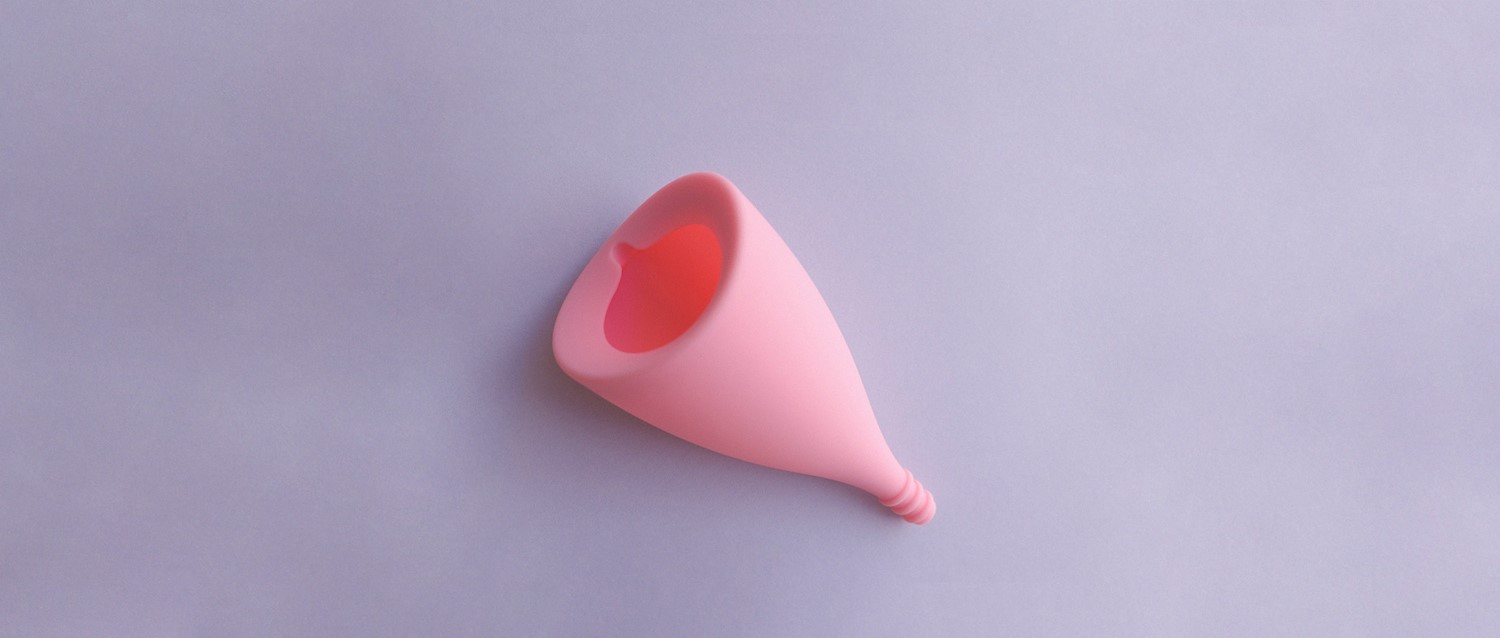
Should you buy a menstrual cup? Eco-friendly period products
Disposable pads and tampons generate more than 200,000 tonnes of waste per year, dumped in landfills, clogging sewers and eventually ending up in the ocean. And it's been estimated that the average British woman spends as much as £18,450 on their periods over the course of their lifetime. We explore the environmentally friendly menstrual products that could be good for your wallet, as well as the planet.
by Georgia Gallant
Women's health
Painful periods cost women nine days of productivity every year
Nearly nine days of productivity are being lost each year to period symptoms, according to a new study.
by Milly Evans
About the authorView full bio

Amberley Davis
Senior writer
BA (Hons), CPD
Amberley is a senior writer with Patient and has written extensively on a range of health and wellbeing topics.
About the reviewerView full bio

Dr Krishna Vakharia, MRCGP
Chief Medical Officer for Health, Optum UK
MBChB, MRCGP(2013), BMedSci (hons), DFSRH, DRCOG, PGDipDerm (Distn)
Dr Krishna Vakharia is an NHS GP. She is also a regular examiner for the postgraduate Diploma in Practical Dermatology at Cardiff University as well as being the Chief Medical Officer for health at Optum UK.
Article history
Article also available in English, German, Spanish, French, Italian, Portuguese, Hindi, Hebrew, Arabic, and Swedish.
10 Mar 2023 | Originally published
Authored by:
Amberley DavisPeer reviewed by
Dr Krishna Vakharia, MRCGP
Join the conversation
Share your thoughts or experiences with others in our patient communities.

Ask, share, connect.
Browse discussions, ask questions, and share experiences across hundreds of health topics.

Feeling unwell?
Assess your symptoms online for free
Sign up to the Patient newsletter
Your weekly dose of clear, trustworthy health advice - written to help you feel informed, confident and in control.
By subscribing you accept our Privacy Policy. You can unsubscribe at any time. We never sell your data.
More in women's health
- Can changing your diet improve PMS?
- How to check for breast cancer and what a lump feels like
- How to delay your period - is it safe to take norethisterone?
- Is your lifestyle giving you thrush?
- Is your period causing your migraines?
- Menopause videos
- Secret shoppers: Are women given the best contraception advice?
- Should you avoid the pill if you get migraines?
- Should you be worried about postmenopausal bleeding?
- Should you change your contraception to the coil or implant?
- Should you clean your vagina?
- Should you consider the copper coil for emergency contraception?
- Video: How does PID affect fertility?
- What causes menopause dizziness, and how can you manage it?
- What to do about lumps on the vagina or vulva
- What's the link between PCOS and diabetes?
- What's the recommended calorie intake for women?
- Why do women feel the cold more than men?
- Will we ever have a male contraceptive pill?