9 formas de deshacerse de una infección urinaria
Revisado por pares por Dr Krishna Vakharia, MRCGPÚltima actualización por Amberley DavisÚltima actualización 13 Oct 2023
Cumple con las directrices editoriales
- DescargarDescargar
- Compartir
- Language
- Discusión
- Versión en audio
- Agregar a fuentes preferidas en Google
Las infecciones del tracto urinario - ITUs - no son graves ni amenazan la vida, pero pueden ser muy incómodas y molestas. Ya sea que busques eliminar una infección existente o reducir las probabilidades de recurrencia de las ITUs, hemos preparado nueve tratamientos caseros, medicamentos y suplementos que pueden ayudarte a aliviar la irritación causada por las ITUs.
How to get rid of a UTI
Infecciones del tracto urinario (UTIs) occur when micro-organisms like germs and bacteria find their way into your urinary tract - the system of organs and tubes that make and send out your pee - where they multiply and cause an infection.
Both men and women can get UTIs and the causes can be different for both sexes. However, the risk is much higher in women - who have shorter urinary tracts than men so the bugs can get to the bladder quicker. This makes women more vulnerable to UTIs from sexual intercourse, the menopausia, and other causes.
If you believe you have the symptoms of a UTI, you should see your doctor. They may prescribe antibiotics, which are generally considered the most effective UTI treatment.
This said, there are several other methods to help you get rid of a UTI - from the most effective medication to natural urine infection home remedies and lifestyle hacks. Some of these methods can also help to prevent UTIs if you often have them and the irritation and discomfort they bring.
Two experts share their recommendations for getting rid of UTIs. Alongside these methods, painkillers can also help to ease your pain temporarily.
Medical ways to treat or prevent UTIs
Antibióticos
Dr Paul Ettlinger, GP at The London General Practice, explains that antibiotics are the main medical UTI treatment.
"Antibiotics can kill the bacteria causing the infection. The antibiotic prescribed to you will depend on the type of bacteria causing your UTI. Some are taken orally and some through IV - a needle or tube that's inserted into your vein."
This is generally the most effective medicine for UTIs1, but it's not always the right option for everyone. Your doctor could recommend that you wait to see if your UTI clears up without antibiotics, and likewise if a course fails to alleviate symptoms, you may be recommended to hospital for further tests.
For women - vaginal cream
This cream helps to prevent recurrent UTIs in postmenopausal women that are caused by a drop in their oestrogen hormone levels. It works by putting oestrogen onto the vagina, which in turn increases the presence of lactobacillus - a beneficial bacteria that helps prevent UTIs2. If you are postmenopausal and feel the dryness could be causing this irritation then see your doctor. You can now buy topical oestrogen that you can rub on from your pharmacy.
For men - alpha blockers and Cialis
For men, UTIs may be caused by an enlarged prostate. This common condition can make emptying your bladder more difficult, increasing the build-up of bacteria and the likelihood of UTIs.
Dr Ettlinger recommends alpha blockers, which help bladder emptying and peeing by relaxing the muscles of the prostate gland and bladder neck. Alternatively, Cialis is a medication taken by mouth that increases blood flow to the prostate, in turn improving problems with peeing associated with an enlarged prostate. By making it easier for you to pee, it stops the build up of bacteria and can therefore help reduce the chances of getting a UTI.
Supplements to treat or prevent UTIs
D-mannose
Laura Southern, nutritional therapist at London Gynaecology, suggests that supplements of D-mannose can be useful: "This is found naturally in cranberries and is a type of sugar that is thought to prevent E-coli - the most common UTI-causing bacteria - from taking a hold in the urinary tract. It's sold in a powdered or tablet form and the usual dose is about 1-2g per day."
She adds that small studies show that taking D-mannose may be just as effective as antibiotics in treating UTIs5. This makes D-mannose a promising alternative UTI treatment that does not increase your risk of resistencia antimicrobiana. Many doctors are recommending these to their patients. As this is a sugar - those with diabetes or who are at risk of diabetes need to be careful - consult your doctor first before taking them.
Probióticos
To treat a recurring UTI problem, you could try probiotic supplements. Studies of the urinary microbiome - the groups of healthy and harmful bacteria that live in the urinary tract - show there are significant differences between the bacteria found in people who get UTIs and those who don't3.
Laura Southern, nutritional therapist at London Gynaecology, says that women may take probiotic supplements to help the right strains of bacteria grow in the vagina. "This can help the vaginal microbiome, ensure the pH is at the best level to prevent bacterial growth, and therefore help prevent UTIs."
Although a relatively new research area, there have been promising results for probiotics as a preventative method against recurring UTIs4, as well as a UTI treatment that can accelerate recovery time.
Which probiotic?
"When choosing a probiotic to help prevent UTIs, make sure it contains the Lactobacillus strains - look for names like Lactobacillus reuteri, Lactobacillus rhamanous, Lactobacillus gasseri, and check that they have been proven to reach the vagina alive," recommends Southern.
UTI home treatment
Hydration
One of the simplest home remedies for UTIs is to drink lots of water and stay hydrated so that you pee regularly throughout the day and don't feel thirsty. According to Dr Ettlinger, deshidratación causes concentrated pee, and this can lead to bacteria build-up and infections such as UTIs.
Eating well
The weaker your immune system, the more at risk you are of UTIs. Southern explains what you can eat and avoid to help prevent UTIs:
"Include lots of brightly coloured fruits and vegetables and use a mix of cooking methods to maximise vitamin absorption. For example, a simple UTI home treatment could be adding fresh, dark-skinned berries at breakfast, eating an orange-vegetable soup at lunch, and then a lightly cooked stir-fry with lots of bright colour vegetables at dinner.
"Sugar, alcohol and ultra-processed foods can increase inflammation and this can make UTIs worse. Try and focus on a whole-food diet that's as unprocessed as possible."
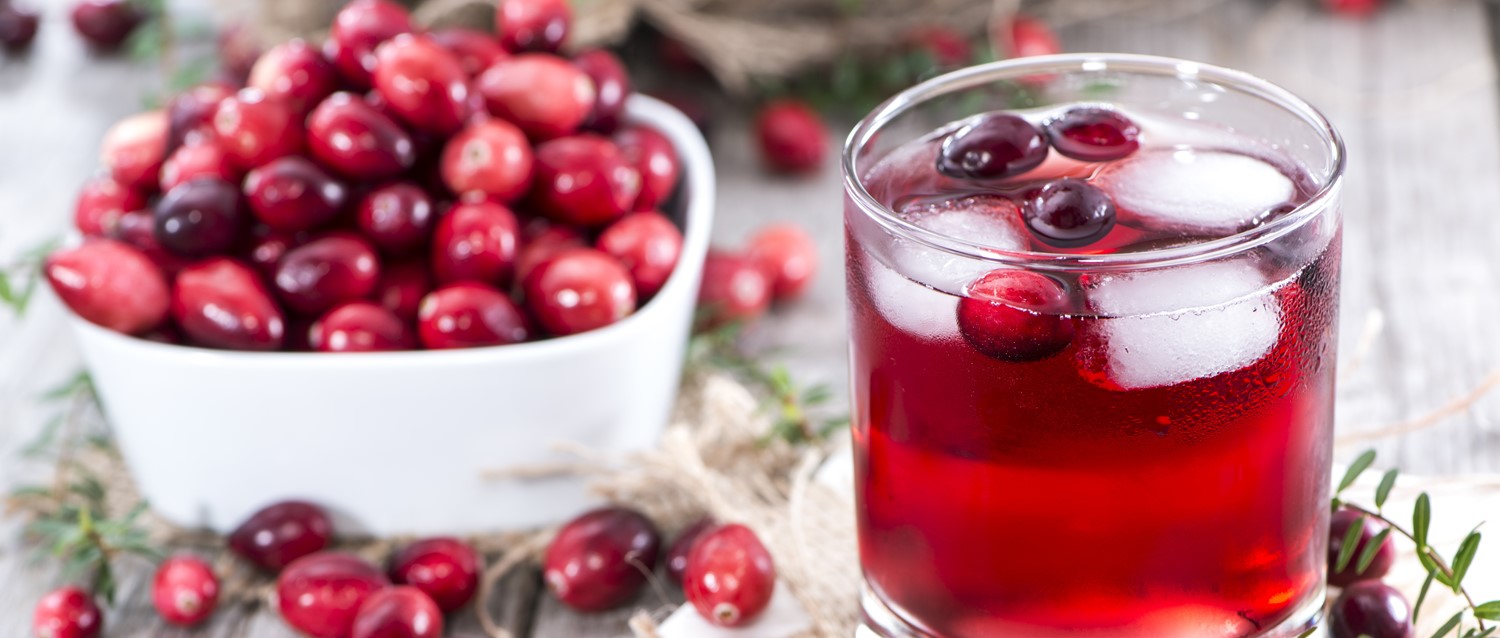
Cranberries - reliable remedy?
Some people have reported that cranberry products, like cranberry juice and cranberry supplements, have helped to cure their UTIs or ease their symptoms. This home remedy is based on the fact that cranberries naturally contain D-mannose - a popular UTI supplement. However, Dr Ettlinger says that there isn't strong evidence to back up the healing qualities of cranberry products.
This said, if you are prone to recurring UTIs, cranberry products may help to prevent UTIs from happening. Again though, more research is needed, and doctors urge patients to consider the sugar content of these foods1.
Peeing after sex
This is an important prevention tip for those who get recurrent UTIs. Peeing soon after sex helps to flush out any bacteria that was introduced during sexual intercourse. Women are more prone to intercourse-related UTIs than men because bacteria introduced to the vagina has a shorter path to travel to the urethra - the tube leading to your bladder.
Genital hygiene
While these won't clear up an existing infection on their own, getting into good hygiene habits can also help to prevent UTIs:
When you go to the toilet, wiping from front to back.
Go for a pee after sex.
If you use incontinence pads, change them regularly.
In general, ensure your genital area is clean and dry.
Lectura adicional
National Institute for Health and Care Excellence: Urinary-tract infections.
Rosenblum: Update in female hormonal therapy: what the urologist should know.
Akgul and Karakan: The role of probiotics in women with recurrent urinary tract infections.
Wirth and Moon: Do probiotics reduce the frequency of urinary tract infections in women?
Selecciones del paciente para Infecciones del tracto urinario y síntomas
Riñón y tracto urinario
Gráfico de incontinencia
Este formulario es para: 1) Registrar las veces que orina, 2) Registrar la cantidad de orina que pasa en cada ocasión y 3) Registrar las veces que pierde orina (es incontinente).
por el Dr. Laurence Knott
Riñón y tracto urinario
¿Qué es una infección urinaria y cómo se contrae?
Alrededor del 50% de las mujeres y el 5% de los hombres experimentarán una infección del tracto urinario - ITU - en su vida. ¿Por qué es tan común esta infección bacteriana y cuáles son los diferentes factores de riesgo para hombres y mujeres?
por Amberley Davis
Sobre el autorVer biografía completa

Amberley Davis
Escritora senior
BA (Hons), CPD
Amberley es una escritora senior en Patient y ha escrito extensamente sobre una variedad de temas de salud y bienestar.
Acerca del revisorVer biografía completa

Dr Krishna Vakharia, MRCGP
Director Médico de Salud, Optum UK
MBChB, MRCGP(2013), BMedSci (hons), DFSRH, DRCOG, PGDipDerm (Distn)
La Dra. Krishna Vakharia es una médica general del NHS. También es examinadora habitual del Diploma de Posgrado en Dermatología Práctica en la Universidad de Cardiff, además de ser la Directora Médica de salud en Optum UK.
Historial del artículo
La información en esta página es revisada por pares por clínicos calificados.
Artículo también disponible en Inglés, Alemán, Español, Francés, Italiano, Portugués, Hindi, Hebreo, Árabe, y Sueco.
13 Oct 2023 | Última versión
27 Ene 2023 | Publicado originalmente
Escrito por:
Amberley Davis

Pregunta, comparte, conecta.
Navega por discusiones, haz preguntas y comparte experiencias en cientos de temas de salud.

¿Te sientes mal?
Evalúa tus síntomas en línea de forma gratuita
Suscríbete al boletín de Patient
Tu dosis semanal de consejos de salud claros y confiables, escritos para ayudarte a sentirte informado, seguro y en control.
Al suscribirte aceptas nuestros Política de Privacidad. Puedes darte de baja en cualquier momento. Nunca vendemos tus datos.
Más sobre el riñón y el tracto urinario
- Malos hábitos de vejiga que debes evitar
- Problemas de vejiga que los hombres no deben ignorar
- Jugo de arándano para la cistitis: ¿funciona?
- Cistitis en hombres
- Cistitis de luna de miel: qué es y cómo evitarla
- ¿Cuántas veces deberías orinar al día?
- Cómo cuidar bien de tus riñones
- Gráfico de incontinencia
- Opciones de tratamiento de diálisis renal
- ¿Reírse hasta hacerse pis? Cómo el stand-up comedy puede abordar la incontinencia
- Ejercicios del suelo pélvico (ejercicios de Kegel) e incontinencia de esfuerzo
- Video: ¿Cuál es la mejor manera de curar una infección urinaria?
- ¿Qué causa sangre en la orina?
- ¿Qué hacen los riñones?
- ¿Qué es una infección urinaria y cómo se contrae?
- Qué hacer ante las infecciones urinarias constantes
- Lo que tu orina dice sobre tu salud
- Por qué necesitas orinar constantemente
- Por qué necesitas cuidar tu suelo pélvico
- ¿Desaparecerá una infección urinaria por sí sola?