Bad bladder habits to avoid
Peer reviewed by Dr Hayley Willacy, FRCGP Last updated by Dr Sarah JarvisLast updated 18 Jun 2018
Meets Patient’s editorial guidelines
- DownloadDownload
- Share
- Language
- Discussion
- Audio Version
- Add to preferred sources on Google
All too many of us have bad bladder habits. LUTS, or lower urinary tract symptoms, get more common with age. The way we treat our bladders can lead to disturbed nights and accidents.
Going 'just in case'
Were you one of the millions of mothers who asked your children, as they piled into the car to leave the house: "Are you sure you don't need to go to the loo just in case?" I know I was. That's all very well for children (and parents who want to avoid screeching to a halt on the hard shoulder), but as an adult you could be storing up problems.
As an adult your bladder should be big enough to store up to a pint of urine. As it fills it sends messages to your brain that you need to empty it. It's usual to go every few hours and to get up at night once. But if you have urge incontinence, there's a mismatch in the messages between your brain and bladder. You may need to pass urine very often, and get a sudden urge to empty your bladder, followed by an accident if you don't get to the loo in time.
Possibly as many as 6 million British women suffer from urge incontinence or stress incontinence (accidents when you cough, sneeze, laugh, run, jump, etc). If you're worried about accidents, it's natural to get into the habit of emptying your bladder often. But if you do this too much, your bladder is never full enough to stretch it. And the less it's stretched, the smaller it gets - so the more often you need to go.
Going thirsty
Many women with incontinence also restrict their fluid intake to avoid accidents. But this can lead to concentrated urine, which can irritate your bladder. And this can actually make urge incontinence in particular worse. If you have continence problems, do speak with your GP who can arrange a referral to a specialist clinic.
Holding it in
It's very easy to get caught where you are unable to empty your bladder. You're just about to leave the house and you're in a rush - can you risk holding on? For most healthy women, holding on to urine doesn't cause cystitis. Urine is usually sterile, and cystitis is a bladder infection caused by germs getting into your bladder. The germs get there by passing up your urethra (the tube your urine comes out of) into your bladder.
But if there are already germs in the bladder, holding on can allow them to multiply, leading to symptoms of infection. So if you're at high risk of cystitis (eg, if you get recurrent cystitis or are pregnant) it's not a good idea. It also puts more pressure on the valve at the bottom of the bladder that stops you leaking urine. This means that if you suffer from stress incontinence, you're more likely to have an accident.
Not emptying your bladder properly makes you more prone to urine infections like cystitis and even to bladder stones (more common in men with prostate problems). That's because urine sits in the bottom of your bladder and stagnates, making it a perfect breeding ground for germs. You may feel bloated, leak urine, need to strain to pass urine and may even end up with kidney damage.
Avoiding your doctor
With so many women too mortified even to think about incontinence, most don't seek help from their GP. In addition two in three women aren't using products designed to help with sensitive bladder, through embarrassment, lack of clarity on which products work best or lack of satisfaction with the products they have used. Over half 'make do' with sanitary products, which aren't designed to prevent urinary leakage and smell. Some just have regular changes of clothes.
Not exercising
Then there's the vicious cycle. While there are lots of women suffering from stress incontinence who aren't overweight, increasing weight does tend to make stress incontinence worse. Hardly surprisingly, 43% of sufferers found that exercising made their symptoms worse - but worryingly, almost one in five of them had given up exercising completely as a result. With so much evidence of the importance of regular exercise not only on general health but on keeping weight within a healthy range, there's little doubt that feeling unable to exercise would contribute to a vicious cycle of increasing weight and worsening symptoms.
Best bladder etiquette
Now you've read what not to do, here's how to show your bladder the love it deserves.
Positioning is key
As a woman, your bladder empties best if you're sitting with your feet planted on the floor or a footstool. As a man, it's better if you're standing up.
Take your time
Avoid being in a rush when you empty your bladder.
Don't neglect your bowels
Avoid constipation. An over-full bowel can press on the bladder, reducing the amount of urine it can hold or making you feel like you need to pass urine urgently. So keep your bowels regular with plenty of fibre (and laxatives if needed).
Wait a little
Try to build up the time between trips to the loo. And when you do have to go, after you've you've finished, wait 30 seconds, then lean forward and try to pass a bit more urine.
What not to wear
Wear products that are designed for continence, rather than relying on sanitary products.
Drink wisely
Don't restrict fluid too much. Avoid alcohol, which acts as a diuretic. Try cutting out caffeine (which can irritate your bladder) if you have urge incontinence. If you have stress incontinence, caffeine is unlikely to cause problems and contrary to popular belief it doesn't dehydrate you. It has no more diuretic effect than water when you have up to 400 mg (about eight cups of tea or four of brewed coffee) a day.
Pelvic floor exercises
For women with stress incontinence, proper pelvic floor training can cure, or significantly improve, the problem in six out of 10 patients. You can find out more from our Pelvic Floor Exercises resource. There are also many clinics across the country, accessed by direct referral from the GP, where specialist physiotherapists can help with pelvic floor exercises or use a variety of other treatment options.
With thanks to 'My Weekly' where this piece was originally published.
Patient picks for Bladder
Kidney and urinary tract
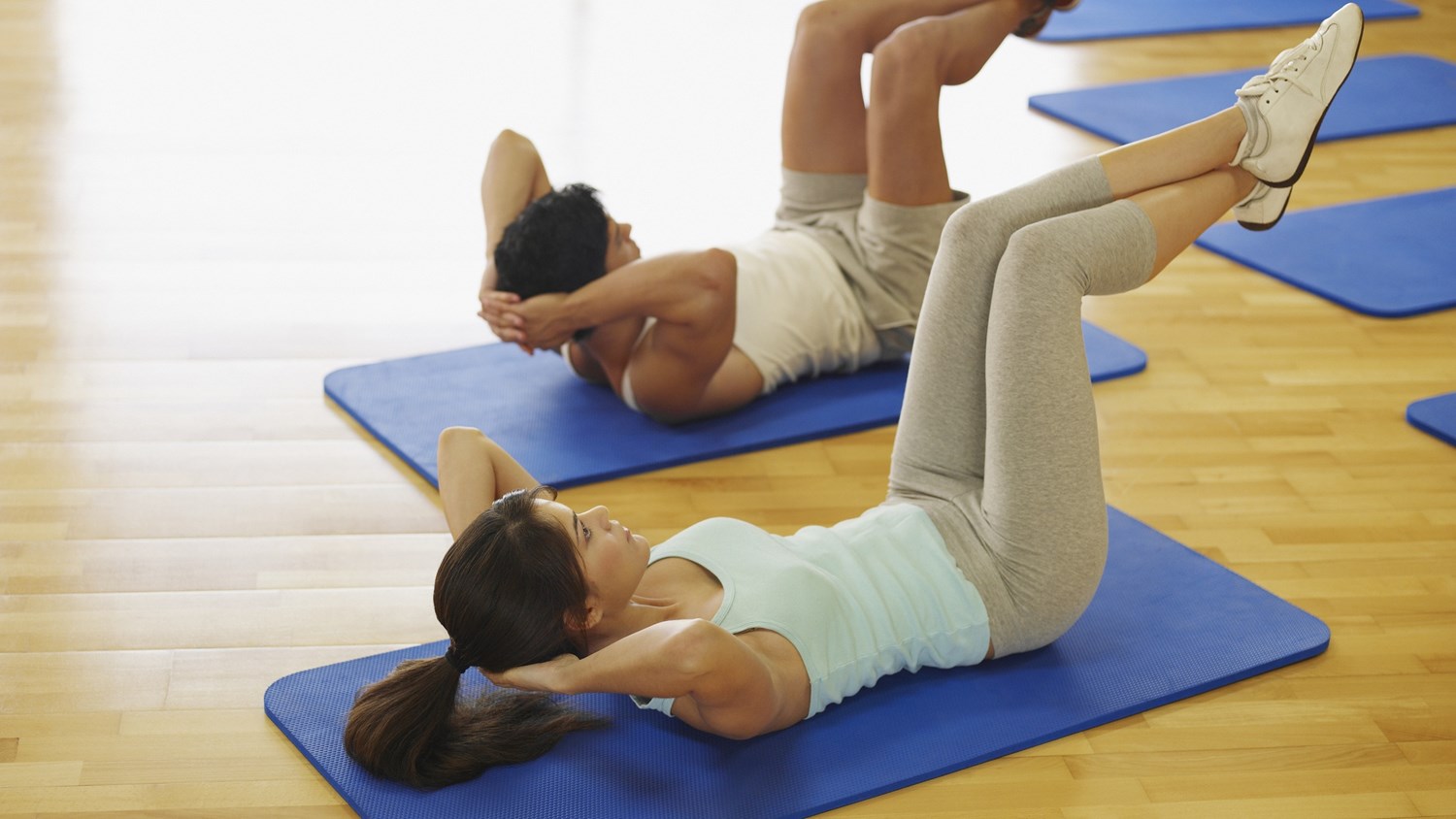
Pelvic floor exercises (Kegel exercises) and stress incontinence
Pelvic floor exercises, also known as Kegel exercises, have numerous benefits and may help cure stress incontinence. Pelvic floor exercises are also useful to prevent incontinence for women who have had children. In addition, some people feel that having strong pelvic floor muscles heightens the pleasure when having sex.
by Dr Jacqueline Payne, FRCGP
Kidney and urinary tract
Bladder problems men shouldn't ignore
Urinary problems in middle-aged men can be frustrating and embarrassing, and are often caused by an enlarged prostate. However, they may also be indicative of something more serious such as prostate cancer. Our two experts explain why vigilance is important and share their self-help tips.
by Julian Turner
About the authorView full bio

Dr Sarah Jarvis
Clinical Consultant
MA (Cantab), BM, BCh (Oxon), DRCOG, FRCGP, MBE
After training in medicine at Cambridge and Oxford, Dr Sarah Jarvis MBE became a GP.
About the reviewerView full bio

Dr Hayley Willacy, FRCGP
General Practitioner, Medical Author
MBChB (1992), DRCOG, DFFP, MRCOG (Part 1) MRCGP (2007), DFSRH (2013), MSc - medical education (2020)
Dr Hayley Willacy was an NHS GP working in northwest England, who retired from clinical practice in 2022 after 30 years.
Article history
The information on this page is peer reviewed by qualified clinicians.
Article also available in English, German, Spanish, French, Italian, Portuguese, Hindi, Hebrew, Arabic, and Swedish.
18 Jun 2018 | Latest version
Join the conversation
Share your thoughts or experiences with others in our patient communities.

Ask, share, connect.
Browse discussions, ask questions, and share experiences across hundreds of health topics.

Feeling unwell?
Assess your symptoms online for free
Sign up to the Patient newsletter
Your weekly dose of clear, trustworthy health advice - written to help you feel informed, confident and in control.
By subscribing you accept our Privacy Policy. You can unsubscribe at any time. We never sell your data.
More in kidney and urinary tract
- 9 ways to get rid of a UTI
- Bladder problems men shouldn't ignore
- Cranberry juice for cystitis: does it work?
- Cystitis in men
- Honeymoon cystitis: what is it and how to avoid
- How many times should you pee a day?
- How to take good care of your kidneys
- Incontinence chart
- Kidney dialysis treatment options
- Pee yourself laughing? How stand-up comedy can tackle incontinence
- Pelvic floor exercises (Kegel exercises) and stress incontinence
- Video: What is the best way to cure a UTI?
- What causes blood in urine?
- What do kidneys do?
- What is a UTI and how do you get it?
- What to do about constant UTIs
- What your pee says about your health
- Why you constantly need to pee
- Why you need to look after your pelvic floor
- Will a UTI go away on its own?