Is gastroenteritis harmful in pregnancy?
Peer reviewed by Dr Krishna Vakharia, MRCGPLast updated by Lydia SmithLast updated 4 May 2023
Meets Patient’s editorial guidelines
- DownloadDownload
- Share
- Language
- Discussion
- Audio Version
- Add to preferred sources on Google
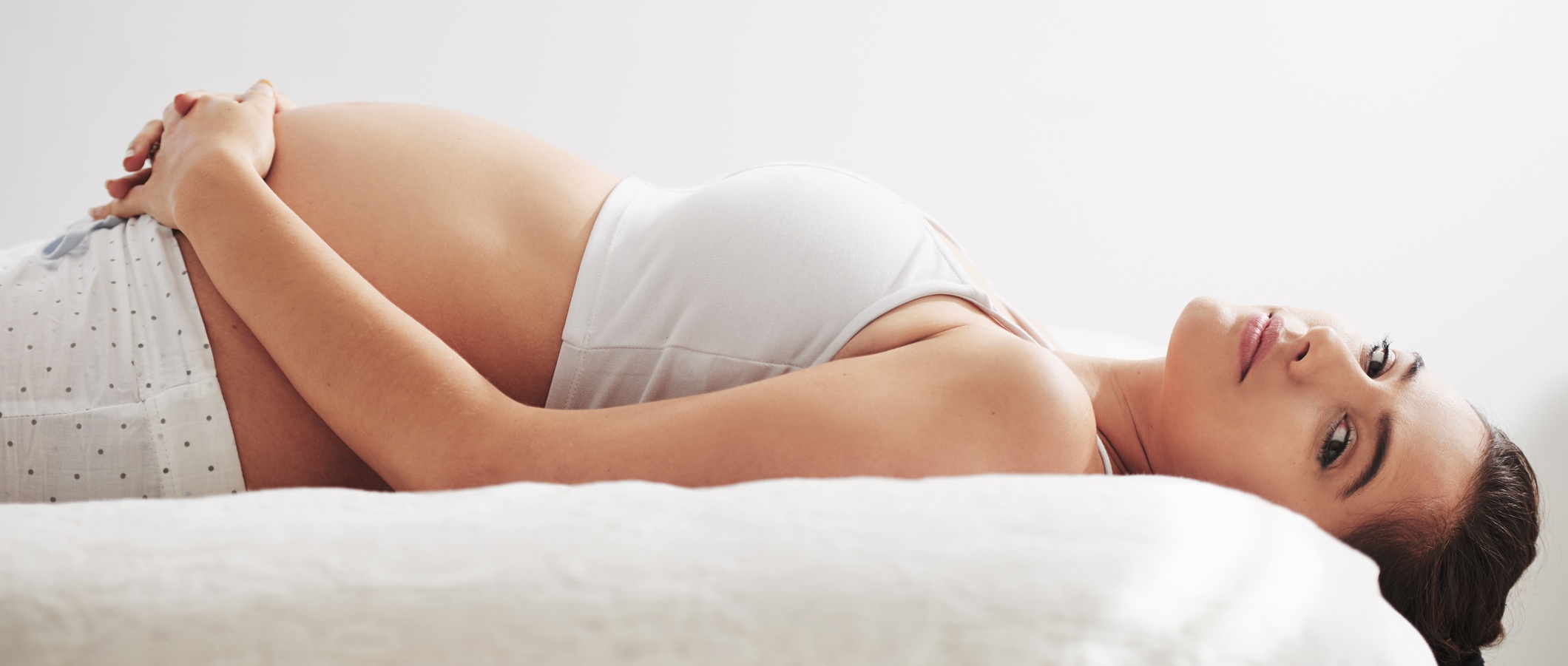
Having a stomach bug like gastroenteritis is never nice, but it can be especially unpleasant if you're pregnant and already feeling tired or run down. Being unwell when you're expecting can be worrying too, as you're conscious of your baby's health as well as your own.
Sign up for our free 8-week Healthy Pregnancy course!
Each week we’ll share useful information and essential tips on topics such as nutrition, exercise, mental health, symptoms to look out for, and preparing for childbirth, to help you navigate your pregnancy journey whatever stage you are at.
By subscribing you accept our Privacy Policy. You can unsubscribe at any time. We never sell your data.
What is gastroenteritis?
Gastroenteritis is a common condition that causes diarrhoea and vomiting. It's usually caused by a bacterial or viral tummy bug. It's frequently caused by two viruses called rotavirus and norovirus, but can also be spread by bacteria too.
The main symptoms of gastroenteritis include sudden, watery diarrhoea, feeling sick, vomiting and a high temperature. Other symptoms include stomach aches, aching limbs, headaches and a loss of appetite. Normally, gastroenteritis will clear up on its own in a few days and the main treatment is to stay well hydrated and rest.
Gastroenteritis is quite common during pregnancy. A study conducted in Sweden suggests that as many as one in three women will experience the illness during their pregnancy1. In some cases, severe dehydration or a long-lasting fever can bring about premature labour.
However, staying hydrated should prevent problems - so it’s important to drink plenty of water.
What to do if you have gastroenteritis in pregnancy?
There’s no specific treatment for gastroenteritis. Unfortunately, you have to let the illness run its course. If you have diarrhoea and vomiting, it’s important to stay at home and rest as much as possible.
Make sure you drink plenty of water throughout the day to avoid becoming dehydrated. It might help to sip water slowly if you feel sick.
Eat small, light meals if you are hungry and it doesn't make you feel sick. If you don’t eat for 24 hours, make sure you still drink water. Plain foods like toast, biscuits or crackers may help if you don’t feel like eating.
Gastroenteritis can be very easily spread to other people. You should stay at home until you have not been sick or had diarrhoea for at least two days.
Do not take any medication to stop diarrhoea in pregnancy, such as Imodium, without speaking to your GP, midwife or pharmacist first. These medications are not usually recommended in pregnancy.
You can take paracetamol for any fever or aches and pains, but make sure you stick to the recommended dose on the packet. Adults can take two, 500mg tablets, four times in 24 hours. You must wait at least 4 hours between doses. Do not take more than eight tablets in 24 hours. Do not take ibuprofen as not only can it cause heartburn symptoms, it can also cause problems with the baby's development especially if taken in the third trimester.
When should you speak to your doctor about gastroenteritis in pregnancy?
You should see your doctor if you are unable to keep any fluids down, or if the diarrhoea or vomiting doesn’t go away within 48 hours.
Speak to your GP, midwife or maternity unit as soon as possible if you have a fever, stomach pain, very dark wee, bloody diarrhoea or bleeding from your bottom. You may have dehydration or a gastrointestinal problem and need treatment.
If you have any of the following symptoms, then you should call 999 or go to A&E straight away as they could be signs of a more serious problem.
A sudden and severe stomach ache or headache
Pain when looking at bright light and a stiff neck
Blood in your vomit or vomit that looks like ground coffee
Vomiting yellow or green fluid
You are not producing much urine or not producing any urine at all.
How to avoid catching gastroenteritis
Viral gastroenteritis is spread by touching contaminated surfaces and then touching your mouth or face, sharing cups or utensils with an infected person, and eating contaminated food. You may also catch it via sneezes and coughs.
Pregnant women may contract gastroenteritis from their older children, who often pick up viruses. To reduce your risk of infection, wash your hands often and wash your children’s hands regularly.
It’s also important to regularly clean surfaces, such as toilet handles, door handles, taps and toilet seats. Finally, you should avoid going in swimming pools for two weeks after your symptoms have stopped.
Further reading
1. Ludvigsson: Effect of gastroenteritis during pregnancy on neonatal outcome.
Patient picks for Infections

Pregnancy
HPV and pregnancy: what to expect
There's nothing unusual about getting human papillomavirus (HPV) in pregnancy. In most cases it's harmless, but if you're pregnant, there are some possible complications to be aware of.
by Amberley Davis
Pregnancy
Thrush in pregnancy: what you can and can't do
It's normal to experience thrush in pregnancy. This won't harm your unborn baby, but it's important to treat the infection with medicines that are safe to use while pregnant.
by Amberley Davis
About the authorView full bio

Lydia Smith
Feature writer
BA, MA, MSc
Lydia Smith is an award-winning journalist and feature writer who has written extensively on women's health and mental health. She is currently studying for an MSc in psychology.
About the reviewerView full bio

Dr Krishna Vakharia, MRCGP
Chief Medical Officer for Health, Optum UK
MBChB, MRCGP(2013), BMedSci (hons), DFSRH, DRCOG, PGDipDerm (Distn)
Dr Krishna Vakharia is an NHS GP. She is also a regular examiner for the postgraduate Diploma in Practical Dermatology at Cardiff University as well as being the Chief Medical Officer for health at Optum UK.
Article history
The information on this page is peer reviewed by qualified clinicians.
Article also available in English, German, Spanish, French, Italian, Portuguese, Hindi, Hebrew, Arabic, and Swedish.
4 May 2023 | Latest version
4 May 2023 | Originally published
Join the conversation
Share your thoughts or experiences with others in our patient communities.

Ask, share, connect.
Browse discussions, ask questions, and share experiences across hundreds of health topics.

Feeling unwell?
Assess your symptoms online for free
Sign up to the Patient newsletter
Your weekly dose of clear, trustworthy health advice - written to help you feel informed, confident and in control.
By subscribing you accept our Privacy Policy. You can unsubscribe at any time. We never sell your data.
More in pregnancy
- Can pregnancy make you more sensitive to hay fever?
- Does testicular cancer affect your fertility?
- Flu vaccine in pregnancy does not lead to health problems in children
- How to feel more confident about childbirth
- How to quit smoking during pregnancy
- How to snack healthily when you're pregnant
- How to stay healthy and safe when pregnant at Christmas
- Is it safe to skip your period on the pill?
- Pregnancy acne: why it happens and how to treat it
- Pregnancy symptoms - when to act
- Scientists develop sperm separation method for sex selection
- Should you consider the copper coil for emergency contraception?
- Video: How do you calculate a due date?
- What are the benefits of postnatal Pilates?
- What do you learn in antenatal classes and what are the benefits?
- What to do if you miss alcohol during pregnancy
- What to do if you need an abortion
- Which medications can affect your contraception?
- Which type of pregnancy pillow is best for you?
- Will we ever have a male contraceptive pill?