8 stress-relieving tips to try every day
Revisado por Dr Colin Tidy, MRCGPÚltima actualización por Lynn StephenÚltima actualización 19 Aug 2026
Cumple con las directrices editoriales
- DescargarDescargar
- Compartir
- Language
- Discusión
- Versión en audio
- Agregar a fuentes preferidas en Google
Whether it's the pressure of work, family life, or a looming deadline, most of us have stress from time to time. There are lots of ways to reduce stress. So, if you're feeling the strain, try some of these simple stress-busters.
Apoyo para la salud mental de adultos y niños
Terapia cognitivo-conductual (TCC) y terapia psicológica en línea para adultos y niños de 8 a 17 años. Los profesionales acreditados de Onebright ayudan a personas que experimentan ansiedad, depresión y otros desafíos emocionales.
Is stress always a bad thing?
Not necessarily, says Dr Chi-Chi Obuaya, Consultant Psychiatrist, at Nightingale Hospital. He explains that stress can be useful in a sporting context, or even in the workplace. Short-term stress may also improve your performance.
However, he warns that if stress is excessive or continuous, it can have a negative impact on your mental health.
Stress affects millions of people every year. While stress in itself is not a mental health issue, it is linked to health issues such as ansiedad y depresión, autolesiones, and even pensamientos suicidas.
Long-term (chronic) stress can also have an impact on your physical health - affecting control de la presión arterial, digestion, and even causing problemas de fertilidad in some cases.
How to reduce stress
Here are eight simple habits to help alleviate stress and restore everyday calm.
1. Take a mindful pause
Mindfulness - the art of focusing your mind on the present moment is widely acknowledged as an excellent way to reduce stress. And you don't need to spend hours at a class in order to practice.
Vari McLuskie, mindfulness and meditation trainer, recommends taking a mindful pause during your day.
"Stop and breathe three times to become fully present," she says. "Let go of your thinking, anxieties, and plans and just focus fully on the breath. This will give you a short break from the busyness of your own mind and your day."
2. Visualise the positive
When we're stressed, most of us tend to picture the worst-case scenario, which can worsen our negative feelings.
Psychologist and clinical hypnotherapist Geraldine Joaquim, Quest Hypnotherapy, explains that we are predisposed to overthink negatively - it's part of our brain's survival system.
"This negative speculation causes us to release stress hormones, such as adrenaline and cortisol, to get us ready to run or fight," she says.
To counter this, Joaquim suggests visualising positive outcomes.
"By doing this we can change the chemical response, releasing hormones such as serotonin and dopamine," she explains. "This keeps us on an even keel and help to cap the levels of cortisol. So when we do hit a moment of stress we are in a better place to cope with it."
3. Don't reach for convenience foods
When we're stressed, it's tempting to reach for stimulation in the form of sugar. Sweets, chocolate, crisps, and other convenience foods may offer a short-term energy burst, but long-term can be damaging to our health and even increase stress levels.
According to registered dietitian Laura Clark, poor food choices may lead to energy slumps, and make you feel irritable and strung out.
"To regulate your blood sugar (glucose) levels, aim for balance in your meals," she says. "This means including some wholegrain carbohydrates such as brown rice noodles or wholemeal pitta, with some lean protein such as chicken, fish, or pulses."
As well as preventing the highs and lows that come with a glucose hit, eating a balanced diet can help us to feel better in the long term.
"Balanced eating also encourages the body's uptake of amino acid tryptophan - needed for serotonin production," adds Clark. "This can counteract the effect of raised cortisol levels in your body, which happen when you're under pressure."
4. Move your body
Taking a break from your desk to go for a walk, or incorporating more activity into your evening, could have a calming effect on both your mind and body. And you can incorporate exercise into your daily life. Whilst you might not have an hour to spend at the gym, most of us have the time for a short walk during the day.
Obuaya says: "Exercise is a very good coping mechanism - it gets dopamine flowing in your brain and has calming effects."
5. Release the pressure
If you feel your stress build, try this simple release recommended by reflexologists:
Using your left thumb, repeatedly press slightly above the centre of the palm on your right hand for around 30-60 seconds.
Hold for a few seconds more.
Repeat on your left hand.
Repeat as necessary throughout the day when you feel the need to de-stress.
6. Repeat a positive mantra
When you're feeling negative or stressed, repeating a positive phrase could work wonders.
Joaquim explains that Positive Affirmations were developed in the 1970s by neuroscientists. They incorporate a modern understanding of psychotherapy and linguistics to consciously rewire thought patterns towards more desired outcomes.
Joaquim suggests saying short phrases such as:
Today I'm going to greet everything with an open mind and an open heart.
I am in control of my life. I can choose what I accept or not.
I love myself as I am.
"It's a way of starting your day on a positive note, with a calm and positive energy, and using them if feeling under pressure during the day to induce equilibrium," she adds.
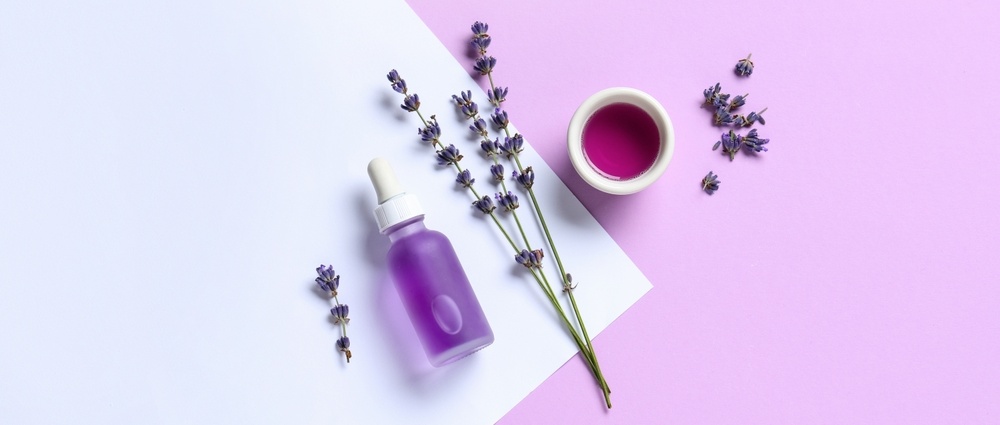
7. Try essential oils
Certain essential oils can have a calming effect and even create a relaxing atmosphere in your home or office.
Aromatherapist Lisa Basso recommends lavender, clary sage, or camomile oil for stress.
"Make sure you choose essential oils rather than a simple fragrance," she advises.
Basso adds that using oils needn't take up too much time.
"Simply heat 4-6 drops of your chosen oil in a diffuser, or even put them on to a nearby radiator," she suggests. "However, if you're pregnant, always consult a healthcare professional before using essential oils."
8. Create a pre-bed routine
If you feel under pressure, your sleep can be disrupted, and working long into the night may be counterproductive.
Joaquim explains that during the night our brain goes through essential 'download' processing, moving events into your long-term memory banks, and also carrying out necessary waste clearance.
"Lack of sleep - less than five hours per night - has been linked to Alzheimer's disease," she cautions. "Long-term poor sleep has been linked to cognitive decline."
Joaquim recommends the following:
Introduce the idea of creating a pre-bed routine - starting around 90 minutes before you want to be asleep.
Start by turning lights down, have any last drinks or snacks, and switch off screens.
Ensure your bedroom isn't too warm and that it is as dark as possible. If necessary, use an eye mask if there is intrusive light - such as street lights.
Use a relaxation audio to help promote good sleep.
If you stick to a routine, your brain will get used to the cues and will wind down quicker once the habit is embedded.
Whilst too much stress can be harmful, learning how to remain calm could help you to keep cool and remain healthy.
Selecciones del paciente para Manejo del estrés

Salud mental
¿Qué alimentos pueden reducir tu estrés y ansiedad?
La ansiedad puede ser compleja y difícil de manejar, pero al hacer pequeños cambios en lo que comes, podrías ver grandes mejoras en tu bienestar mental. Con la ayuda de un científico de alimentos y un entrenador de nutrición, desglosamos los mejores alimentos para la ansiedad para ayudarte a retomar el control.
por Lynn Stephen
Salud del corazón y vasos sanguíneos
¿Puede el estrés causar ataques al corazón?
While stress alone doesn't directly cause heart attacks, long-term, unmanaged stress can raise your chance of having one. In this article, we explore effective ways to lower your likelihood of heart attack and offer practical tips for managing stress.
por Victoria Raw
Sobre el autorVer biografía completa
Actualizado por

Lynn Stephen
Desarrolladora de contenido
Maestría con Honores
Lynn se unió a Patient en 2023 y su función incluye revisar todos los folletos profesionales, folletos de información para pacientes y folletos de medicamentos, para asegurar la consistencia en la ortografía, gramática, material de referencia y estilo de la marca, trabajando con los autores médicos y el director clínico para coordinar la redacción y revisión por pares de los folletos.
Escrito por

Gillian Harvey
Escritora Freelance
Licenciatura en Inglés (Hons)
Gillian es una escritora independiente y columnista para una variedad de periódicos y revistas nacionales.
Acerca del revisorVer biografía completa

Dr Colin Tidy, MRCGP
Médico General, Autor Médico
MBBS, MRCGP, MRCP (Paediatrics), DCH
El Dr. Colin Tidy es un médico del NHS, con sede en Oxfordshire.
Historial del artículo
Artículo también disponible en Inglés, Alemán, Español, Francés, Italiano, Portugués, Hindi, Hebreo, Árabe, y Sueco.
Next review due: 20 Aug 2029
19 Aug 2026 | Última versión
25 de abril de 2018 | Publicado originalmente
Escrito por:
Gillian Harvey
Únete a la conversación
Comparte tus pensamientos o experiencias con otros en nuestro comunidades de pacientes.

Pregunta, comparte, conecta.
Navega por discusiones, haz preguntas y comparte experiencias en cientos de temas de salud.

¿Te sientes mal?
Evalúa tus síntomas en línea de forma gratuita
Suscríbete al boletín de Patient
Tu dosis semanal de consejos de salud claros y confiables, escritos para ayudarte a sentirte informado, seguro y en control.
Al suscribirte aceptas nuestros Política de Privacidad. Puedes darte de baja en cualquier momento. Nunca vendemos tus datos.