What does spinning do to your body?
Peer reviewed by Dr Sarah JarvisLast updated by Amberley DavisLast updated 14 Dec 2021
Meets Patient’s editorial guidelines
- DownloadDownload
- Share
- Language
- Discussion
- Audio Version
- Add to preferred sources on Google
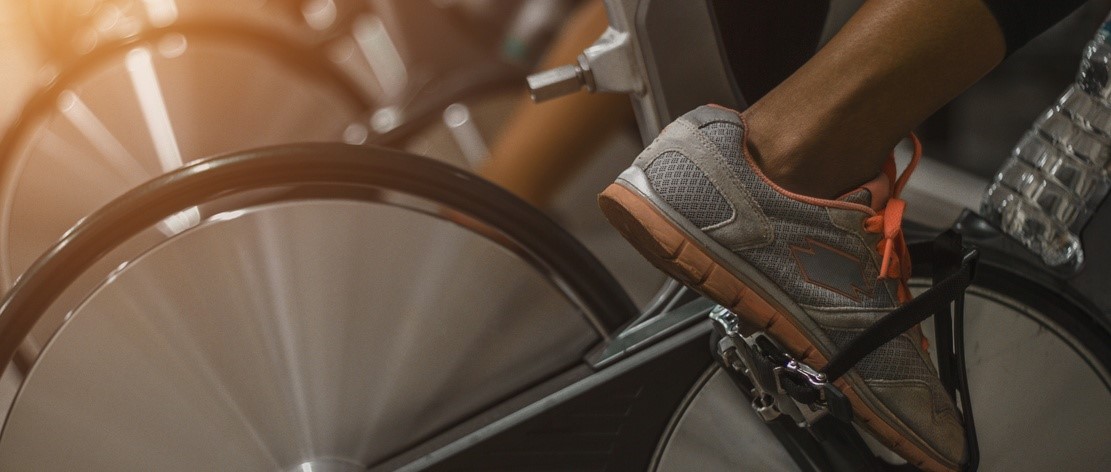
Spinning is currently one of the most popular fitness workouts in the UK. The muscles you use on a spinning bike are some of the largest in your body, making for high-intensity exercise that's also low impact.
What is spinning?
These days, walking into a gym expecting to see at least a few spinning bikes is a safe bet. These stationary bikes may look like the indoor equivalent of cycling, but they can offer a far more intense workout in many ways. Research suggests that spinning may be even more beneficial than ordinary bicycling for physical fitness, blood constituents, and body composition.
While you can choose to cycle on your own, most gyms also offer spinning classes. Typically, these classes last up to an hour, and an instructor sets the pace. You can adjust the tension to make pedalling use more energy, which imitates the uphill or downhill motions of outdoor cycling.
Many people enjoy spinning classes for the motivation provided by the instructor. Classes are normally set to music, and it's also not uncommon for people to go primarily for the fun atmosphere.
Whatever your motivation, spinning can be an effective way to improve your fitness and build your leg muscles. It can also help you to manage your weight if this is your goal.
What happens to your body during spinning?
"Spinning is an effective, low-impact way of improving fitness and helping to manage weight," says personal trainer Laura Williams.
"Your lower body muscles (quadriceps, hamstrings and glutes) all work hard during a spinning session, while standing during a session means your upper body and core all play a role too."
Your lower body muscles
Quadriceps (commonly called 'quads') - the muscles on the fronts of your thighs. Pushing the bike pedals down engages these muscles.
Hamstrings - the muscles on the backs of your thighs. Pushing the bike pedals up engages these muscles.
'Glutes' - the three muscles in your hips and butt (gluteus maximus, gluteus medius and gluteus minimus). You engage these muscles while pedalling and particularly when you accelerate hard.
These leg muscles are some of the largest in your body, which means you're exerting a lot of energy. This kind of high-intensity workout burns a lot of calories and builds up these muscles, which can result in legs that have less fat and are more toned.
Other muscles you engage
Calves - the muscles at the back of your lower legs. These are engaged for the complete rotation of the pedals.
Back and upper body muscles - these muscles support your torso during spinning.
Core - includes both your upper and lower abdominal muscles. Correct posture that holds tension in your core (pulling your belly button in and a straight back) and setting high resistance on the spin bike can engage your core.
Heart - this muscular organ also gets a workout during spinning. The heart must work harder to pump enough blood through the body to supply the tissues with nutrients and oxygen.
Exercise bikes also have a weighted disc called a flywheel attached to each pedal. As you pedal, this speeds up and stores the rotational energy that you generate, which gives you momentum. Heavier flywheels require an exertion of energy to get them moving quickly, increasing the workout intensity.
Williams points out the added benefits of spinning with weights: "Even small weights can add to intensity, helping to strengthen upper and lower body muscles even more. They will also help elevate the heart rate further, which will continue to increase cardiovascular fitness over time."
What are the main benefits of spinning?
Spinning builds muscle
The most obvious benefit of spinning is toned leg muscles. This happens as our body composition improves and the ratio of fat decreases and muscle mass increases. As we exercise, our engaged muscles get micro-tears. A natural process called muscle protein synthesis then occurs, repairing and rebuilding the muscles to better adapt them which increases muscle mass.
Spinning may also help to tone your back and upper body because the position you need to maintain on a spin bike creates some exertion on the muscles in these regions.
Spinning decreases fat mass
Engaging these muscles means we use a lot of energy during spinning. Many spin classes incorporate high-intensity interval training (HIIT) which is believed to increase how many calories you burn. This involves alternating between heavy and less heavy resistance pedalling, so your heart rate changes throughout the class.
Losing weight isn't synonymous with being healthy. However, if you have a lot of excess body fat you might be at greater risk of developing health complications such as type 2 diabetes.
Spinning improves heart health
Spinning can be a great cardiovascular workout. That is to say, our hearts have to work harder during a spinning session which can improve our overall heart health. With regular spinning, our muscles become more efficient at drawing oxygen from our blood, which decreases the physical demand on the heart over time.
Research has found that people who cycle are less likely to have heart problems than those who don't, including heart attacks and heart disease.
This is because regular spinning can lower blood pressure, lower stress hormones and raise our 'good' cholesterol. This decreases the risk of inflammation in the body and reduces our chance of developing type 2 diabetes.
One study has also found that one hour of spinning triggers the release of blood chemicals associated with heart stress or changes. The research suggests that these could lead to blood vessel renewal and repair.
Patient picks for Exercise and physical activity
Healthy living
Should you eat before swimming and what types of food are best?
You've probably heard the rumour that you shouldn't eat before going swimming, because it will make you sink to the bottom. Perhaps you were told it as a child. But what's the truth behind that? Can you eat before going swimming? And if so, what foods are best for enhancing your performance?
by Emily Jane Bashforth

Healthy living
How to work out without feeling like you're exercising
For those of us who dislike exercise, staying physically fit and healthy can be a challenge. What if you could work out without feeling like you're exercising - or taking any extra time out of your daily routine?
by Lynn Stephen
About the authorView full bio

Amberley Davis
Senior writer
BA (Hons), CPD
Amberley is a senior writer with Patient and has written extensively on a range of health and wellbeing topics.
About the reviewerView full bio

Dr Sarah Jarvis
Clinical Consultant
MA (Cantab), BM, BCh (Oxon), DRCOG, FRCGP, MBE
After training in medicine at Cambridge and Oxford, Dr Sarah Jarvis MBE became a GP.
Article history
The information on this page is peer reviewed by qualified clinicians.
Article also available in English, German, Spanish, French, Italian, Portuguese, Hindi, Hebrew, Arabic, and Swedish.
14 Dec 2021 | Latest version
14 Dec 2021 | Originally published
Join the conversation
Share your thoughts or experiences with others in our patient communities.

Ask, share, connect.
Browse discussions, ask questions, and share experiences across hundreds of health topics.

Feeling unwell?
Assess your symptoms online for free
Sign up to the Patient newsletter
Your weekly dose of clear, trustworthy health advice - written to help you feel informed, confident and in control.
By subscribing you accept our Privacy Policy. You can unsubscribe at any time. We never sell your data.
More in healthy living
- Can hair transplants improve mental health?
- Can you really be fit and fat?
- Everything you need to know about the Hot Girl Walk
- Healthier ways to get your TV fix
- How to exercise with a physical disability
- How to resist the toughest cigarette cravings
- How to sleep-proof your relationship
- Is getting a sleep divorce the key to better rest?
- Nurturing intimacy: 6 tips for long-term relationships
- Parental burnout: your guide to understanding and overcoming it
- Should you eat before swimming and what types of food are best?
- Smoking could lead to sight loss, warn optometrists
- Spotting depression in your partner
- What is 'Skinnymaxxing' - and why are health experts concerned about it?
- What is creatine? Benefits, uses and risks
- What is rucking and is it right for you?
- What to do if you're struggling with your mental health at Christmas
- UpdatedWhat your waist measurement says about your health
- Why do we find it comforting to re-watch our favourite movies?