¿Cuáles son los riesgos del alcohol a medida que envejeces?
Revisado por pares por Dr Colin Tidy, MRCGPÚltima actualización por Victoria RawÚltima actualización 13 de mayo de 2025
Cumple con las directrices editoriales
- DescargarDescargar
- Compartir
- Language
- Discusión
- Versión en audio
- Agregar a fuentes preferidas en Google
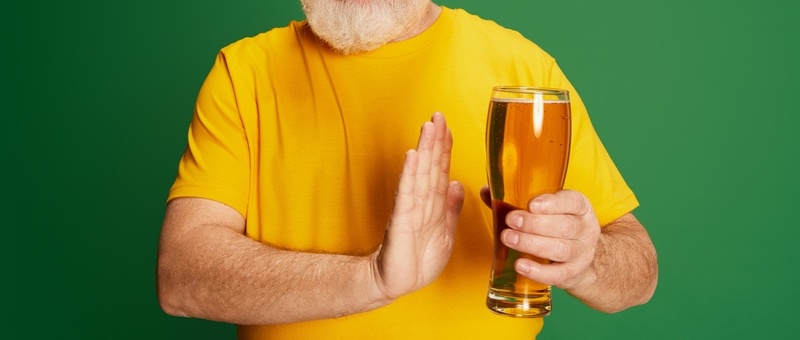
El alcohol presenta riesgos para la salud en personas de todas las edades. Pero a medida que envejecemos, nuestros cuerpos son menos capaces de lidiar con sus efectos, y las preocupaciones de salud aumentan aún más. Esto incluye nuestra probabilidad de desarrollar varios tipos de cáncer, la posibilidad de romperse un hueso tras una caída menor, tiempos de reacción más lentos y malas reacciones a los medicamentos.
Alcohol and ageing
As you get older, your body becomes less able to cope with alcohol. That's partly because some of your muscle is replaced by fat. What's more, the amount of water in your body gradually goes down - and alcohol is diluted by the water in your bloodstream. That means even if you drink the same amount of alcohol as someone younger, you're likely to have a higher level of alcohol in your blood.
Your liver processes alcohol, and too much alcohol can cause damage to your liver. As you age, the blood flow to your liver is decreased. That means alcohol stays in your liver for longer and can cause more harm.
Medicine side-effects and complications
Your liver also processes a whole host of medicines, which can interact with alcohol. This could mean you get more side effects. For example, painkillers, some antihistamines and some antidepressant medicines can make you feel drowsy, and this is often made worse by alcohol.
It could make you more susceptible to complications. Drinking alcohol with some diabetes medicines increases your chance of dangerous altos y bajos, and taking it with the blood-thinner warfarin could increase your chance of bleeding.
Dizziness and falls
If your blood pressure is too high, it raises your odds of developing ataque al corazón y accidente cerebrovascular. That's why it's so important to get your blood pressure checked regularly as you age, and to take medicine to control it if needed.
But as you get older, your body's ability to keep your blood pressure high enough if you become dehydrated, or stand up too quickly, begins to slow down. That means you may be prone to funny turns - feeling lightheaded if you stand up too fast or get up out of bed. Drinking alcohol increases your chance of these funny turns, and this dizziness makes you more susceptible to falls.
Avoiding falls depends on a combination of reflexes, hearing, coordination, eyesight and muscle strength. Even a small amount of alcohol can slow down your reflexes and reaction time further. This is another reason alcohol makes you more likely to have a fall as you get older. And if you do slip, you're more likely to break a bone even with a minor tumble, because your bones tend to become thinner with age.
Alcohol also increases your chance of developing osteoporosis, or thinning of the bones. This is a very common issue in older people, especially women - 1 in 2 women and 1 in 5 men over 50 will break a bone because of osteoporosis.
Alcohol, age, and cancer risk
In the longer term, drinking alcohol increases your likelihood of developing several cancers. For some, such as cáncer de mama, there's no lower level where drinking is safe. A unit of alcohol is around half a pint of normal strength beer or a single pub measure of spirits - a standard glass of wine has about 2.5 units. And even 1 unit of alcohol a day increases your chance of breast cancer by 7-11%.
The risks of cancer increase for men, too, even at lower levels of drinking.
Guidelines now recommend that both men and women should stick to no more than 14 units a week, spread over several days and with at least a couple of alcohol-free days every week.
You can work out how many units you are drinking by using our calculadora de unidades de alcohol.
How to drink less as you get older
Research shows that older people may turn to alcohol as a result of changes in their circumstances. This could be because they are retired and don't have as much to occupy their time. They may be less mobile and can't get out to socialise as much, or because they're mourning the loss of a loved one.
Of course, many older people have highly fulfilling, healthy lives. But staying safe and well takes a few more precautions as time passes. Keeping your alcohol intake moderate as you get older is a really sensible start to living a longer, healthier life.
These tips can help you enjoy alcohol in moderation:
Limit the times you drink - for instance, only drinking alcohol with meals means you'll absorb it more slowly, keeping your blood alcohol levels lower.
Alternate soft and alcoholic drinks when you go out.
Have an extra one or two alcohol-free days each week.
Devise some mocktails - alcohol-free cocktails which will feel like you're having a treat, without the drawback of a hangover.
It’s also so important to try and keep your mind and body as active as you can as you get older. You don't need to train for a marathon - a regular gentle walk can help you reconnect with nature, and even better if you go with a friend.
With thanks to My Weekly magazine, where this article was originally published.
Selecciones del paciente para Consejos sobre alcohol
Vida saludable
Las 5 mejores aplicaciones para un Enero Seco en 2024
Ya seas un bebedor de fin de semana, después del trabajo, diario o solo en compañía, un mes sin alcohol puede hacer maravillas en cómo te sientes, cómo te ves y cuán saludable estás por dentro. Exploramos cinco de las aplicaciones más populares que te ayudan a reducir o eliminar el alcohol.
por Amberley Davis

Vida saludable
Cómo beber de manera segura durante Navidad y Año Nuevo
A medida que las celebraciones de Navidad y Año Nuevo llenan nuestros calendarios, puede ser fácil excederse con las bebidas festivas. Para cuando enfrentamos enero, esto puede dejar nuestros cuerpos y mentes en mal estado de salud. ¿Cómo podemos disfrutar de las bebidas festivas de manera segura y saludable?
por Amberley Davis
Sobre el autorVer biografía completa

Dra. Sarah Jarvis
Consultora Clínica
MA (Cantab), BM, BCh (Oxon), DRCOG, FRCGP, MBE
Después de formarse en medicina en Cambridge y Oxford, la Dra. Sarah Jarvis MBE se convirtió en médica general.
Acerca del revisorVer biografía completa

Dr Colin Tidy, MRCGP
Médico General, Autor Médico
MBBS, MRCGP, MRCP (Paediatrics), DCH
El Dr. Colin Tidy es un médico del NHS, con sede en Oxfordshire.
Historial del artículo
La información en esta página es revisada por pares por clínicos calificados.
Artículo también disponible en Inglés, Alemán, Español, Francés, Italiano, Portugués, Hindi, Hebreo, Árabe, y Sueco.
Próxima revisión: 14 de mayo de 2028
13 de mayo de 2025 | Última versión
31 Jan 2024 | Publicado originalmente
Escrito por:
Dra. Sarah Jarvis

Pregunta, comparte, conecta.
Navega por discusiones, haz preguntas y comparte experiencias en cientos de temas de salud.

¿Te sientes mal?
Evalúa tus síntomas en línea de forma gratuita
Suscríbete al boletín de Patient
Tu dosis semanal de consejos de salud claros y confiables, escritos para ayudarte a sentirte informado, seguro y en control.
Al suscribirte aceptas nuestros Política de Privacidad. Puedes darte de baja en cualquier momento. Nunca vendemos tus datos.
Más sobre vida saludable
- 7 maneras de aliviar el 'temor matutino' durante la perimenopausia
- ¿Pueden los probióticos tratar la obesidad y la diabetes?
- ¿Puedes hacer demasiado ejercicio?
- ¿Podría tu 'temor matutino' ser un signo de perimenopausia?
- ¿El alcohol causa cáncer?
- Supervivientes de abuso doméstico tienen más probabilidades de desarrollar enfermedades mentales graves
- ¿Cómo afecta el alcohol a la temperatura de tu cuerpo?
- Cómo aliviar tus problemas de sueño durante la menopausia
- Cómo comenzar a hacer ejercicio de CrossFit de manera segura como principiante
- Cómo detectar las señales de advertencia del abuso doméstico
- ¿El insomnio está afectando tu trabajo?
- ¿Es el Pilates bueno para perder peso?
- Uno de cada cinco pacientes hospitalarios tiene un problema con el alcohol
- Las condiciones que causan aumento de peso inesperado
- La conexión entre la ansiedad y el insomnio
- Lo que realmente el maratón de series está haciendo a tu salud
- ¿Qué causa la parálisis del sueño?
- Lo que necesitas saber sobre la crianza con un problema de salud mental
- Por qué no necesitas desintoxicarte