Paperas
Revisado por Dr Colin Tidy, MRCGPÚltima actualización por Dr Philippa Vincent, MRCGPÚltima actualización 16 Mar 2023
Cumple con las directrices editoriales
- DescargarDescargar
- Compartir
- Language
- Discusión
- Versión en audio
- Agregar a fuentes preferidas en Google
Las paperas son una infección causada por un virus. Afectan principalmente las glándulas salivales, que están alrededor de la cara. A veces, otras partes del cuerpo también se ven afectadas. Las paperas suelen afectar a los niños, pero pueden ocurrir a cualquier edad. Actualmente, las paperas son poco comunes en el Reino Unido, ya que los niños reciben inmunización rutinaria contra ellas.
De un vistazo
Las paperas son una infección viral contagiosa que causa hinchazón dolorosa de las glándulas salivales debajo de las orejas.
Otros síntomas pueden incluir fiebre alta, dolor de cabeza, cansancio y dolor leve de estómago.
La vacuna MMR protege contra las paperas y se ofrece de manera rutinaria a todos los niños en el Reino Unido.
No hay cura para las paperas; el tratamiento se centra en aliviar los síntomas.
La mayoría de las personas se recuperan en aproximadamente una semana, pero pueden ocurrir complicaciones, especialmente en adolescentes y adultos.
Es importante quedarse en casa durante cinco días desde que comienza la hinchazón de las glándulas para prevenir la propagación del virus.
Consulte a un médico si sospecha que se están desarrollando complicaciones.
¿Qué es la parotiditis?
Las paperas son una infección viral contagiosa causada por un tipo de virus llamado paramixovirus. Se propaga a través de la saliva, de la misma manera que un resfriado u otra infección del tracto respiratorio superior. Esto significa que se puede contraer de una persona infectada al toser, estornudar, etc., o al tocar objetos infectados, como manijas de puertas.
Los casos de infección por paperas han sido menos comunes desde la introducción de la vacuna contra el sarampión, las paperas y la rubéola (MMR) en el Reino Unido. La infección por paperas es ahora más común en niños que no han recibido la vacuna. La vacuna MMR se administra en dos dosis, una al año de edad y la otra en el "refuerzo preescolar" a los 3 años y 4 meses aproximadamente. Ambas dosis son esenciales para reducir los riesgos. Mientras que el riesgo de sarampión se reduce en un 96% con la vacuna MMR, el riesgo de paperas se reduce en un 86%.
Es muy inusual que los niños menores de 1 año tengan paperas.
Síntomas de paperas
Los síntomas más comunes de las paperas son:
Las hinchazones dolorosas de una o ambas glándulas parótidas son los síntomas principales habituales. Las glándulas parótidas son las principales glándulas salivales que están justo debajo de las orejas; producen saliva que drena hacia la boca. Normalmente no se pueden ver ni sentir, pero la hinchazón de estas glándulas puede ser muy dramática y hacer que la cara se vea hinchada, a veces llamada 'cara de hámster'. Estas glándulas hinchadas suelen durar de 4 a 8 días.
La boca puede sentirse seca.
Masticar y tragar puede ser doloroso.
Temperatura alta (fiebre), dolor de cabeza, sentirse cansado y perder el apetito puede desarrollarse durante unos días. Estos síntomas pueden ocurrir antes de que se desarrolle la hinchazón de su glándula parótida.
Puede ocurrir un dolor leve en el vientre (abdominal).
Se cree que alrededor de 3 de cada 10 personas que contraen el virus de las paperas no presentan síntomas.
La parotiditis suele ser una enfermedad leve, pero a veces ocurren complicaciones. Por eso es importante la inmunización. Rara vez, las complicaciones pueden desarrollarse sin que aparezcan primero los síntomas habituales.
El sistema inmunológico produce anticuerpos durante la infección. Estos eliminan el virus y luego proporcionan inmunidad de por vida. Por lo tanto, es raro tener más de un episodio de paperas.
¿Es contagioso el virus de las paperas?
Las paperas son muy contagiosas. Toma de 14 a 25 días desarrollar síntomas después de ser infectado. Las personas afectadas son contagiosas desde aproximadamente seis días antes hasta aproximadamente cinco días después de que una glándula parótida comienza a hincharse.
Aunque los niños vacunados contra las paperas tienen muchas menos probabilidades de contraerlas, algunos adultos pueden no ser inmunes y algunos niños pueden tener un sistema inmunológico deficiente (inmunosupresión).
Entonces las personas con paperas deben quedarse fuera de la escuela, guardería, universidad o trabajo y evitar a otras personas tanto como sea posible. Esto es desde el momento en que se sospecha de paperas y durante cinco días desde el inicio de la hinchazón de las glándulas parótidas.
¿Cómo se diagnostica las paperas?
Las paperas se diagnostican más comúnmente por sus síntomas y el tipo de glándulas que están inflamadas. Sin embargo, desde la introducción de la vacuna MMR, todos los casos deben confirmarse mediante una muestra (hisopo) tomada de la boca para obtener algo de saliva. Esto será organizado por la Agencia de Protección de la Salud - las paperas son una "enfermedad de notificación obligatoria", lo que significa que se les informa de todos los casos sospechosos.
Tratamiento para las paperas
No hay medicamento que mate el virus de las paperas. Para la mayoría de las personas infectadas por el virus de las paperas, su condición mejora en una semana sin problemas a largo plazo.
El tratamiento para las paperas tiene como objetivo aliviar los síntomas hasta que el sistema inmunológico del cuerpo elimine el virus:
No se necesita tratamiento si los síntomas son leves.
Paracetamol o ibuprofeno puede aliviar la fiebre y el dolor.
Se debe animar a los niños a beber muchos líquidos, especialmente si tienen una temperatura alta (fiebre). El jugo de frutas puede estimular la glándula parótida para producir más saliva y causar más dolor. El agua es lo mejor si esto ocurre.
Un paño caliente colocado sobre una glándula parótida dolorida puede ser reconfortante.
Complicaciones de las paperas
El pronóstico para los niños pequeños con paperas es muy bueno. Los adolescentes y adultos con paperas tienen más probabilidades de desarrollar complicaciones, que pueden incluir una (o más) de las siguientes:
Los testículos (testes) a veces se ven afectados. Un testículo (testis) puede inflamarse, hincharse y doler durante aproximadamente una semana. Esto es poco común en niños pequeños. Sin embargo, alrededor de 1 de cada 4 varones que contraen paperas después de los 12 años desarrollarán un testículo doloroso e hinchado. Ocasionalmente, ambos testículos se ven afectados. La mitad de estos varones afectados tendrán una reducción en el tamaño del testículo afectado y 1 de cada 10 tendrá una reducción en su conteo de espermatozoides (aunque la infertilidad es poco común).
Inflamación cerebral (encefalitis o meningitis) es una complicación poco común. Normalmente causa somnolencia, dolor de cabeza, rigidez en el cuello, querer evitar la luz y náuseas (vómitos). Aunque alarmante, la meningitis causada por el virus de las paperas generalmente se resuelve sin ningún tratamiento después de unos días, sin problemas a largo plazo.
La pérdida de audición puede ocurrir a veces en personas con paperas. Esto suele ser solo transitorio y generalmente mejora con el tiempo. Muy raramente, las paperas pueden causar sordera permanente.
La inflamación del páncreas, el corazón y otros órganos son complicaciones raras.
Desarrollar paperas en las primeras 12 semanas de embarazo puede aumentar el riesgo de aborto espontáneo. Sin embargo, el virus de las paperas es reportado se cree que causa malformaciones o defectos en un bebé no nacido.
Cuándo contactar a un médico
La mayoría de los niños vuelven a la normalidad en un plazo de 7 a 10 días. Se debe solicitar ayuda médica si se sospecha de una complicación.
Prevención de las paperas
Vacuna contra las paperas
Una vacuna efectiva para prevenir las paperas está disponible. Es parte de la vacuna MMR. Esta se ofrece rutinariamente a todos los niños de 12-13 meses en el Reino Unido. Se ofrece una segunda dosis como parte del programa de refuerzo preescolar de rutina entre los 3 años y 4 meses y los 5 años de edad.
Se han ofrecido programas de recuperación para niños mayores durante los brotes.
Un historial previo de haber tenido paperas reportado significa que no necesitas la vacuna MMR porque el diagnóstico clínico puede haber sido incorrecto. (Las paperas a veces pueden confundirse con otras enfermedades virales.) No hay daño en recibir la vacuna MMR si has tenido paperas en el pasado.
La inmunización ofrece buena protección, por lo que las paperas son ahora raras en el Reino Unido. Consulte el folleto separado llamado Inmunización MMR para más detalles.
Selecciones del paciente para Infecciones infantiles
Salud infantil
Infección urinaria en niños
La infección de orina en los niños es común. Puede causar varios síntomas. Un tratamiento con medicamentos llamados antibióticos generalmente eliminará la infección rápidamente. En la mayoría de los casos, un niño con infección de orina se recuperará por completo. A veces, se recomiendan pruebas para verificar los riñones y/o la vejiga después de que la infección haya desaparecido. Su médico le informará si su hijo necesita estas pruebas. Esto depende de la edad de su hijo, la gravedad de la infección y si ha ocurrido antes.
por el Dr. Colin Tidy, MRCGP
Salud infantil
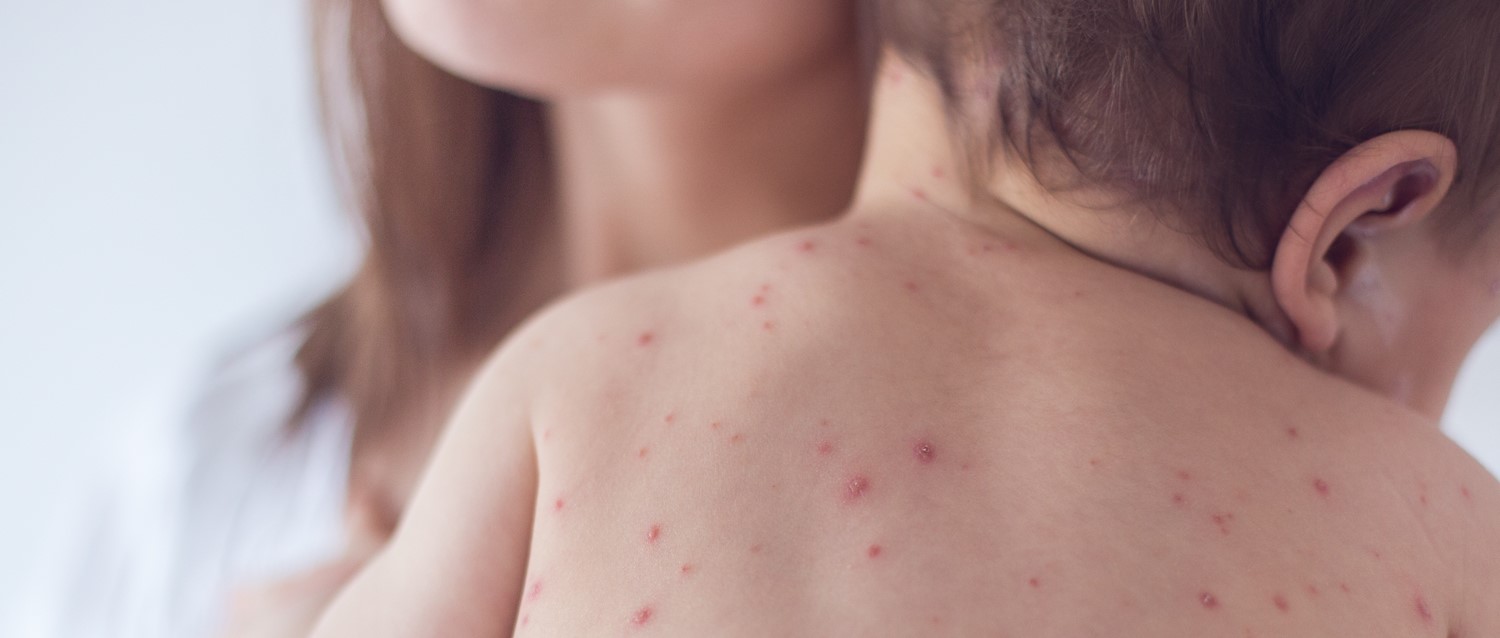
Varicela en niños
La varicela causa manchas (un sarpullido) y puede hacer que un niño se sienta generalmente mal. El tratamiento tiene como objetivo aliviar los síntomas hasta que la enfermedad desaparezca. La recuperación completa es habitual en niños menores de 12 años. Las complicaciones graves son raras, pero son más probables en niños con un sistema inmunológico deficiente, como aquellos que están en quimioterapia.
por el Dr. Colin Tidy, MRCGP
Preguntas frecuentes
¿Puede afectar las paperas a los adultos de manera diferente que a los niños?
Sí, los adultos y adolescentes que contraen paperas tienen más probabilidades de experimentar complicaciones en comparación con los niños pequeños. Aunque las paperas son generalmente una enfermedad leve, las complicaciones pueden incluir inflamación de los testículos, inflamación cerebral o pérdida de audición, que son más comunes en personas mayores.
¿Cuánto dura la inmunidad de por vida contra las paperas después de la infección?
Una vez que has tenido paperas, tu sistema inmunológico crea anticuerpos que eliminan el virus y generalmente proporcionan inmunidad de por vida. Esto significa que es muy raro contraer paperas más de una vez.
Si sospecho que mi hijo tiene paperas, ¿debería mantenerlo en casa y no enviarlo a la escuela inmediatamente?
Sí, si sospechas de paperas, la persona afectada debe mantenerse alejada de la escuela, guardería, universidad o trabajo y evitar el contacto con otros tanto como sea posible. Esto debe continuar desde el momento en que se sospechan las paperas y durante cinco días después de que comience la hinchazón de la glándula parótida.
¿Qué es una 'enfermedad de notificación obligatoria' en el contexto de las paperas?
Las paperas están clasificadas como una 'enfermedad de notificación obligatoria', lo que significa que todos los casos sospechosos deben ser reportados a la Agencia de Protección de la Salud. Esto permite a las autoridades de salud pública monitorear y gestionar la propagación de la infección.
¿Qué tipo de bebidas son mejores para alguien con paperas, especialmente si tiene fiebre?
Es importante beber muchos líquidos, especialmente si tienes fiebre alta. Sin embargo, el jugo de frutas puede estimular las glándulas parótidas para producir más saliva y causar un aumento del dolor. El agua simple es la mejor opción si esto sucede.
Lecturas adicionales y referencias
- Paperas: orientación, datos y análisis; Salud Pública de Inglaterra (ahora UKHSA), abril de 2013 - última actualización 2022
- Paperas: El Libro Verde, Capítulo 23; Salud Pública de Inglaterra (ahora UKHSA)
- Paperas; NICE CKS, diciembre 2023 (acceso solo en el Reino Unido)
Sobre el autorVer biografía completa
Actualizado por

Dra. Philippa Vincent, MRCGP
Médico General, Autor Médico
MB BS, Bsc, MRCGP (2000), DCH, DFSRH, DRCOG
Dra Philippa Vincent es un médico de cabecera del NHS que trabaja en el norte de Londres.
Acerca del revisorVer biografía completa

Dr Colin Tidy, MRCGP
Médico General, Autor Médico
MBBS, MRCGP, MRCP (Paediatrics), DCH
El Dr. Colin Tidy es un médico del NHS, con sede en Oxfordshire.
Únete a la conversación
Comparte tus pensamientos o experiencias con otros en nuestro comunidades de pacientes.

Pregunta, comparte, conecta.
Navega por discusiones, haz preguntas y comparte experiencias en cientos de temas de salud.

¿Te sientes mal?
Evalúa tus síntomas en línea de forma gratuita
Suscríbete al boletín de Patient
Tu dosis semanal de consejos de salud claros y confiables, escritos para ayudarte a sentirte informado, seguro y en control.
Al suscribirte aceptas nuestros Política de Privacidad. Puedes darte de baja en cualquier momento. Nunca vendemos tus datos.