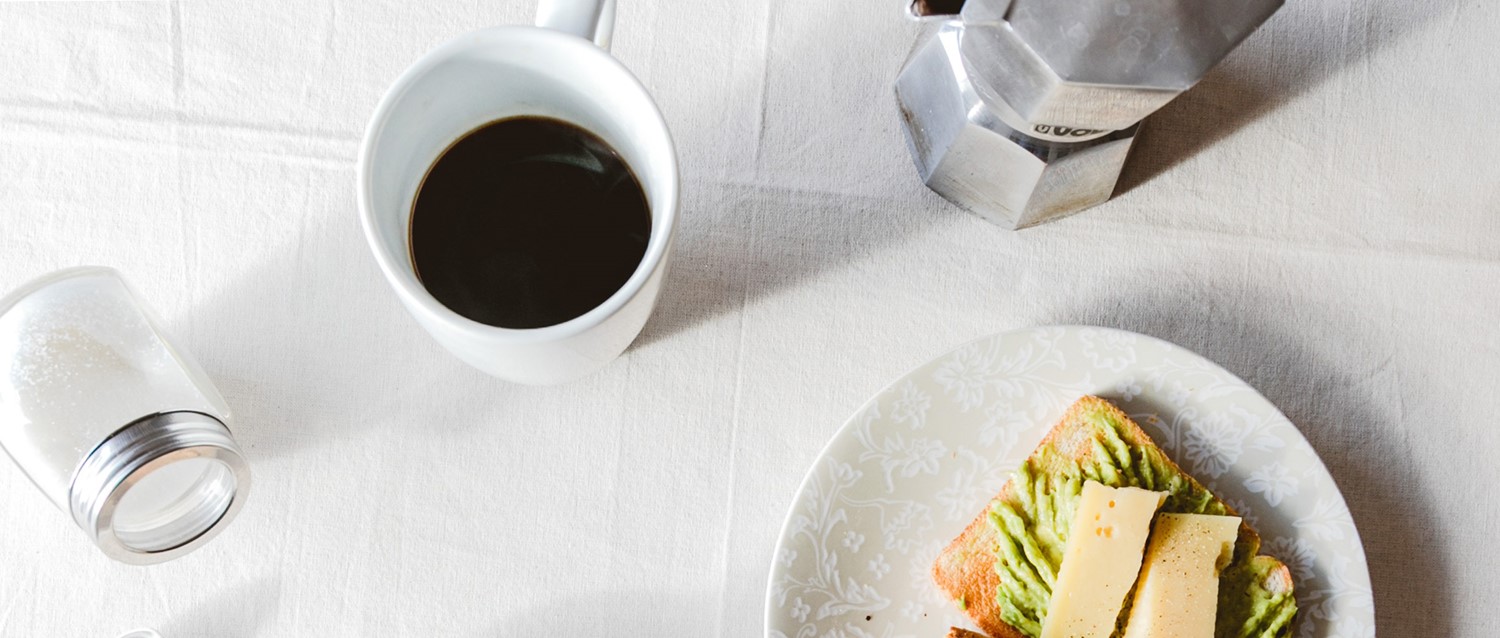
Can changing your diet ease endometriosis symptoms?
Peer reviewed by Dr Sarah JarvisAuthored by Natalie HealeyOriginally published 21 May 2018
Meets Patient’s editorial guidelines
- DownloadDownload
- Share
- Language
- Discussion
- Audio Version
- Add to preferred sources on Google
Endometriosis affects around one in ten women in the UK and can cause pain, infertility and misery. There's no guaranteed cure; while in some cases it settles on its own, it's usually treated with medication or surgery. However, some women claim that adopting an endometriosis diet by eating or avoiding certain foods can help reduce endometriosis symptoms. So what's the truth?
Can endometriosis be cured by diet?
If you suffer from endometriosis, a condition that can cause agonisingly painful periods and difficulty getting pregnant, it's understandable to wonder if changing your lifestyle or adopting an endometriosis diet could help. Current endometriosis treatments, which include surgery and hormonal medication, can be invasive and have unpleasant side effects. It's no wonder many women with endometriosis pin their hopes on alternative solutions, from acupuncture to avoiding certain foods.
Georgina, 27, from Surrey, was diagnosed with endometriosis six years ago and has had numerous surgeries to help control the condition. She says: "After my latest surgery, I was told that changing my diet - in particular, giving up dairy products, alcohol and gluten - might help my endometriosis symptoms. But I didn't necessarily want to give up the foods I love if there's no evidence that it would actually help."
There are countless blogs online by women who claim their endometriosis symptoms disappeared after changing their diets. Such information can undoubtedly offer hope to those facing devastating pain and infertility - but are these stories too good to be true?
Komal Kumar, senior dietitian at The Lister Fertility Clinic, part of HCA UK, cautions that so far the evidence for a link between certain foods and endometriosis is inconclusive. And even if there is a connection, it's likely diet is only one piece of the puzzle.
"It's only recently research has started to show a potential link between endometriosis and diet," she explains. "But it's important to note that such research refers to how diet can play a role in the management of endometriosis symptoms, rather than as a treatment for endometriosis altogether."
Is a low FODMAP good for endometriosis?
Women with endometriosis who are perhaps most likely to benefit from a dietary change, Kumar reveals, are those who also suffer from digestive conditions such as IBS - which can cause abdominal pain, bloating and constipation or diarrhoea.
She points to a recent study which found 72% of a group of women who had both endometriosis and IBS reported an improvement in symptoms after trialling a low FODMAP diet.
"I believe this is a massive breakthrough for women who suffer with other conditions related to their endometriosis, as through dietary management women have the opportunity to greatly improve their quality of life and reduce the burden of their conditions."
What are the downsides of diet changes
Saying that, Kumar acknowledges that the low FODMAP diet is very restrictive. She certainly wouldn't advise every woman with endometriosis to start following it.
"It's vital that if someone with endometriosis is looking to make dietary changes, they seek the expert opinion of a qualified dietitian first, who can provide the latest credible evidence-based information. Without this, the patient could be at risk of developing nutritional deficiencies and other negative side effects such as rapid weight loss or gain."
This is particularly important for women who are trying to conceive, she explains. If you're planning a pregnancy and looking to change to an endometriosis diet, approach the change cautiously and ensure you're getting the nutrients you need before and after conception.
Does going gluten-free help with endometriosis symptoms?
Some women claim their symptoms of improve on a gluten-free diet. But should Georgina follow suit? Kumar says not necessarily.
She confirms that some women have found their endometriosis symptoms improve when they cut out certain foods, but what works for one woman, won't work for everyone.
There was a study conducted on patients with severe endometriosis in 2012, which found 75% of participants noticed an improvement on a year-long gluten-free diet. But the study itself only followed a small amount of women. More research is needed before we know if giving up wheat is truly beneficial in this scenario.
"There is no specific diet for endometriosis management, and it is impossible to say what women should restrict or should include with their diet as everyone is different," Kumar stresses. "It is so important not to restrict certain food groups or nutrients, such as gluten, unless you have been medically diagnosed as having an intolerance or condition such as coeliac disease, as this can deprive the body of vital nutrients."
How to eat well with endometriosis
For most women with endometriosis, Kumar says the best bet is simply to follow a healthy, balanced diet. She points to Public Health England's Eatwell Guide - a resource which shows how much of what we eat overall should come from each food group. You can find more tips on following this method in our healthy eating leaflet.
"This is based on consuming a balanced diet of carbohydrates, fats and proteins, with women aiming for 2,000 calories per day, unless they are specifically looking to gain or lose weight under the close guidance of a dietician."
And remember, while eating certain foods won't necessarily improve endometriosis, it never hurts to eat healthily. Plus, a nutritious diet is also important for preventing potential future health issues such as obesity, high blood pressure, type 2 diabetes and heart disease.
For women looking to conceive, it's advised to take 400 mg of folic acid per day, Kumar explains. And consuming foods rich in folate - such as spinach, kale and broccoli - is also a good idea.
"Following a good nutrition plan can help to regulate ovulation cycles affected by weight, improve the health of a woman's eggs, improve the success of assisted reproduction therapies such as IVF treatment, and improve chances of bringing a healthy baby to full term," she adds.
Patient picks for Endometriosis
Women's health
Could your period pain be endometriosis?
For around one in ten women, endometriosis is the underlying cause of period pain. This can be quite distinct from normal period pain, so you should speak to your doctor about endometriosis is the cause of your pain. Here we look at when to be concerned about period pain and what to do about it.
by Victoria Raw
Women's health
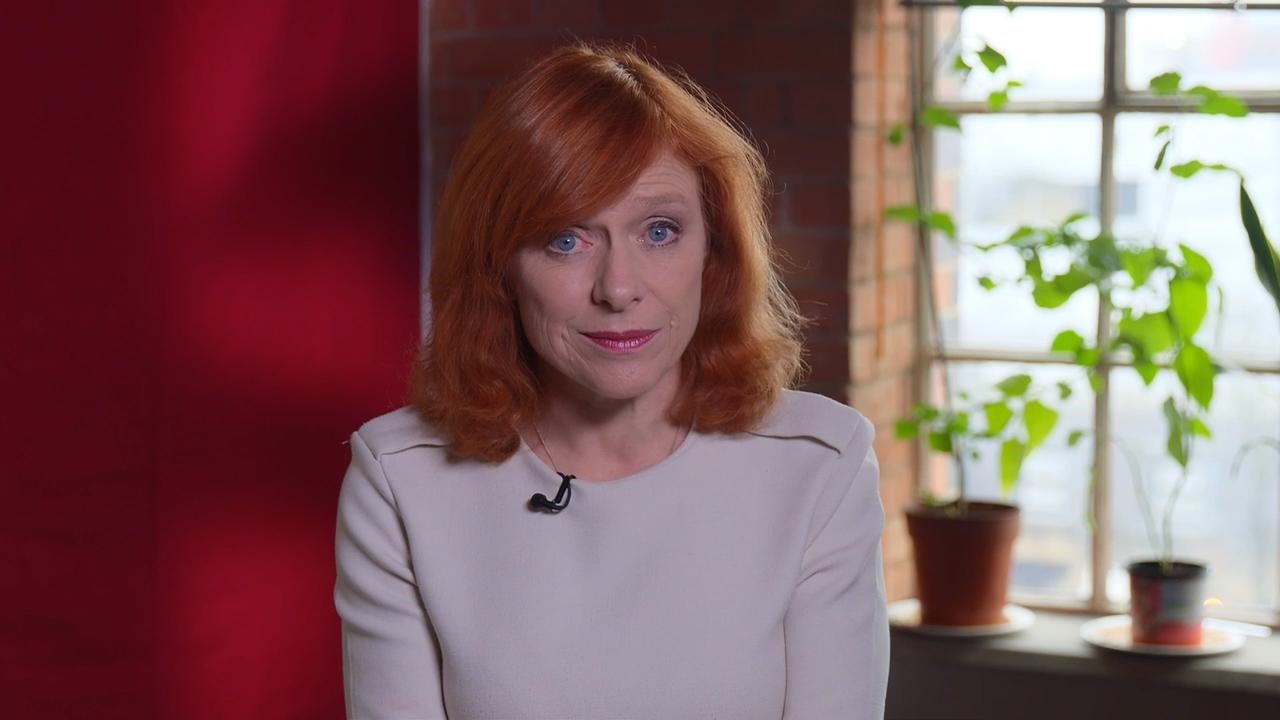
Video: Can endometriosis occur whilst pregnant?
Endometriosis, a condition in which tissue similar to the lining of the womb grows elsewhere like the ovaries or bowel is one of the most confusing conditions women can face. While some women have no symptoms, for others, it can be debilitating. Dr Sarah Jarvis explains some of the essential information to know.
by Lydia Smith
About the authorView full bio

Natalie Healey
Freelance journalist
BSc (Hons) Biomedical Science
She is a London-based health journalist who has been writing about science and medicine for several years. She is the former head of editorial at Patient.
About the reviewerView full bio

Dr Sarah Jarvis
Clinical Consultant
MA (Cantab), BM, BCh (Oxon), DRCOG, FRCGP, MBE
After training in medicine at Cambridge and Oxford, Dr Sarah Jarvis MBE became a GP.
Article history
Article also available in English, German, Spanish, French, Italian, Portuguese, Hindi, Hebrew, Arabic, and Swedish.
21 May 2018 | Originally published
Authored by:
Natalie HealeyPeer reviewed by
Dr Sarah Jarvis
Join the conversation
Share your thoughts or experiences with others in our patient communities.

Ask, share, connect.
Browse discussions, ask questions, and share experiences across hundreds of health topics.

Feeling unwell?
Assess your symptoms online for free
Sign up to the Patient newsletter
Your weekly dose of clear, trustworthy health advice - written to help you feel informed, confident and in control.
By subscribing you accept our Privacy Policy. You can unsubscribe at any time. We never sell your data.
More in women's health
- Can women take Viagra?
- Do contraceptive pills change your behaviour?
- Does hormonal contraception affect your sex drive?
- Fibroids videos
- How does race affect menopause care?
- How to cope with metastatic breast cancer
- Is your period causing your migraines?
- New insight into breast cancer risk after stopping HRT
- NHS opens walk-in clinics for FGM survivors
- Painful periods cost women nine days of productivity every year
- Personalised blood test detects return of breast cancer
- Should vaginal mesh surgery be banned?
- Should you clean your vagina?
- Should you exercise during period times?
- What does a women's health physiotherapist do?
- What to do about lumps on the vagina or vulva
- What to expect during a breast screening
- What you need to know about testosterone and menopause
- Will we ever have a male contraceptive pill?