Which natural remedies help soothe eczema?
Peer reviewed by Dr Krishna Vakharia, MRCGPLast updated by Lydia SmithLast updated 23 Feb 2024
Meets Patient’s editorial guidelines
- DownloadDownload
- Share
- Language
- Discussion
- Audio Version
- Add to preferred sources on Google
Itchy and sore, eczema can be very unpleasant - and often, unbearable. Although there is no cure for eczema, conventional treatments like creams and ointments can help relieve dry, irritated skin. However, some natural products - like coconut oil - may provide some much-needed relief too.
Atopic eczema, also called atopic dermatitis, is the most common form of eczema, a condition that causes the skin to become itchy, dry and cracked. Treatments like moisturisers and steroids can help to relieve the symptoms, but many find natural remedies work too.
Natural remedies are products that are made from natural ingredients, such as oils from plants or vegetables. Although some of these products may help to soothe irritated skin, they might not work for everyone.
Before trying any new products on your skin speak to your doctor or skin specialist (dermatologist) to make sure they will not make your symptoms worse or have an affect on any of your treatments.
Best natural remedies
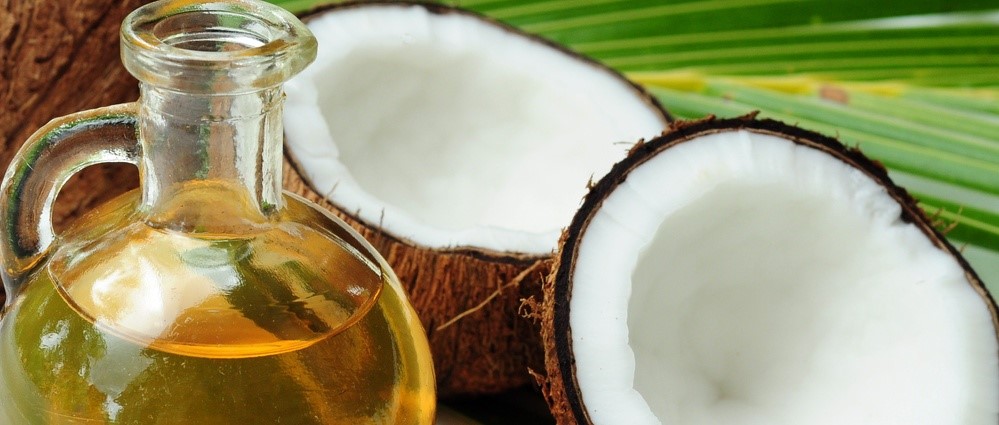
Coconut oil
Coconut oil is found in many cosmetic and hair products because of its moisturising properties. Natural coconut oil in its purest form - also called virgin coconut oil - may help ease the symptoms of eczema when put onto the affected area of skin. This is because it sits on top of the skin and prevents water loss, as well as moisturising the skin beneath.
One study found that 47% of patients with eczema who put 5 millilitres (ml) of virgin coconut oil to the skin twice daily had moderate improvement in symptoms, and 46% had an excellent response to the product1. A separate study found that coconut oil has anti-inflammatory properties that may help people with eczema2.
Most studies have examined virgin coconut oil to explore the benefits, rather than coconut-scented products with added chemicals that may irritate the skin further.
Dr Derrick Phillips, skin specialist (dermatologist) and British Skin Foundation spokesperson, says that while adults with eczema may benefit from natural remedies, children’s skin is more sensitive. Therefore, you should stick to eczema products specifically formulated for infant skin that have been approved by your doctor.
"Adult skin is generally more resilient than children’s skin and may benefit from the hydrating effects of coconut oil,” says Phillips. “Babies have immature, sensitive skin that is easily irritated. It is important to only use products that have been specifically formulated for infant skin. Coconut and rosehip oils may cause irritation and aggravate infantile eczema, and should be avoided."
Colloidal oatmeal
Colloidal oatmeal is a natural product made from ground oats. With its high concentration of starches and beta-glucan - a type of soluble fibre so it dissolves in water - colloidal oatmeal helps the skin retain water. It has been used to soothe skin conditions such as atopic eczema, as well as the itchy rash caused by chickenpox.
Studies suggest that colloidal oatmeal helps to protect the skin barrier - which is weaker in people with eczema - and moisturises the skin while working as an anti-inflammatory3.
Natural colloidal oatmeal comes in powder form which you add to your warm - not hot - bathwater. Soak for 15 minutes and when you’re finished, pat your skin dry. Put on your usual emollient or moisturiser afterwards.
Sunflower oil
Sunflower oil, found in sunflower seeds, can help to produce ceramides, which are fats in skin cells that help keep moisture in your skin4. It also helps to protect the skin barrier and keep bacteria out. It can be put directly onto the skin.
However, not all vegetable oils are good for your skin. Research shows that olive oil can cause redness, rashes and irritation when put onto the skin because it contains irritating fatty acids such as oleic acids. It is also comedogenic, meaning it can clog your pores5.
Witch hazel
Witch hazel, from the witch hazel shrub, is an astringent - something that cleanses the skin, reduces inflammation and has antibacterial properties. Witch hazel dries out the skin, so it isn’t suitable for dry, scaly eczema. However it may help soothe eczema that is wet or weeping to help prevent infections6.
Aloe vera
Aloe vera gel comes from the leaves of the aloe vera plant and is used to treat many skin conditions, including sunburn and dry skin. It can help to cool and moisturise your skin, calm inflammation, provide temporary relief from itching and soothe soreness7. Aloe vera gel can also help broken skin to heal, which can be helpful if your skin is chapped from scratching.
Rosehip oil
Rosehip oil, also known as rosehip seed oil, comes from the seeds of the dog rose plant. Research suggests this oil - when used in its cold-pressed form without any chemical changes made by heat - can have an anti-inflammatory, moisturising effect on the skin, which may make it an effective topical treatment for eczema8.
"However, rosehip oil is rich in vitamin A, which has an exfoliative action that may aggravate inflamed, eczematous skin," adds Phillips.
Further reading
Patient picks for Eczema
Skin, nail and hair health
Will a gluten-free diet help my child's eczema?
One in five children in the UK has eczema. Many children develop the condition in their first year of life and often, the earlier symptoms become apparent, the more severe the child's eczema. Eczema is one of a group of 'atopic' conditions that also includes asthma, hay fever and food allergy, so they commonly occur together to varying degrees. The term 'atopic' means sensitive to allergens: in people with atopic conditions, their immune system overreacts to a substance and attacks the body, resulting in the symptoms of the allergy.
by Allie Anderson
Skin, nail and hair health
Why we need better care for people with eczema
Atopic eczema, the most common form of the skin condition eczema, affects one in five children and one in ten adults in the UK. Not only does it cause the skin to become itchy, sore, dry and cracked, the discomfort and appearance can lead to considerable psychological distress - affecting people's sleep, work and more. Despite this, many people with eczema wait many months for treatment and suffer in silence.
by Lydia Smith
About the authorView full bio

Lydia Smith
Feature writer
BA, MA, MSc
Lydia Smith is an award-winning journalist and feature writer who has written extensively on women's health and mental health. She is currently studying for an MSc in psychology.
About the reviewerView full bio

Dr Krishna Vakharia, MRCGP
Chief Medical Officer for Health, Optum UK
MBChB, MRCGP(2013), BMedSci (hons), DFSRH, DRCOG, PGDipDerm (Distn)
Dr Krishna Vakharia is an NHS GP. She is also a regular examiner for the postgraduate Diploma in Practical Dermatology at Cardiff University as well as being the Chief Medical Officer for health at Optum UK.
Article history
Article also available in English, German, Spanish, French, Italian, Portuguese, Hindi, Hebrew, Arabic, and Swedish.
23 Feb 2024 | Latest version
26 Jul 2023 | Originally published
Authored by:
Lydia Smith
Join the conversation
Share your thoughts or experiences with others in our patient communities.

Ask, share, connect.
Browse discussions, ask questions, and share experiences across hundreds of health topics.

Feeling unwell?
Assess your symptoms online for free
Sign up to the Patient newsletter
Your weekly dose of clear, trustworthy health advice - written to help you feel informed, confident and in control.
By subscribing you accept our Privacy Policy. You can unsubscribe at any time. We never sell your data.
More in skin, nail and hair health
- A guide to UV protection sunglasses
- Can dandruff and an itchy scalp lead to hair loss?
- Can hair transplants improve mental health?
- Can vitamins really prevent hair loss?
- Do LED face masks really work?
- Do probiotics promote healthy hair?
- Does getting good sleep really improve your skin?
- Drinking in the sun: a dangerous cocktail
- How to keep your kids sun safe this summer
- How to prevent and soothe skin cysts: a simple guide
- Retinol: skincare benefits, side effects and more
- Rise in scabies cases across the UK
- Scarlet fever: a doctor's advice
- The best ways to prevent and treat insect bites
- What are the benefits of collagen, and can it prevent skin ageing?
- What are the common causes of summer rashes?
- What are the dangers of drinking in hot weather?
- What it's really like to live with rosacea
- What to do if you have an infected ingrown hair
- What your nails say about your health