Can hair transplants improve mental health?
Peer reviewed by Dr Krishna Vakharia, MRCGPAuthored by Victoria RawOriginally published 12 Jun 2024
Meets Patient’s editorial guidelines
- DownloadDownload
- Share
- Language
- Discussion
- Audio Version
- Add to preferred sources on Google
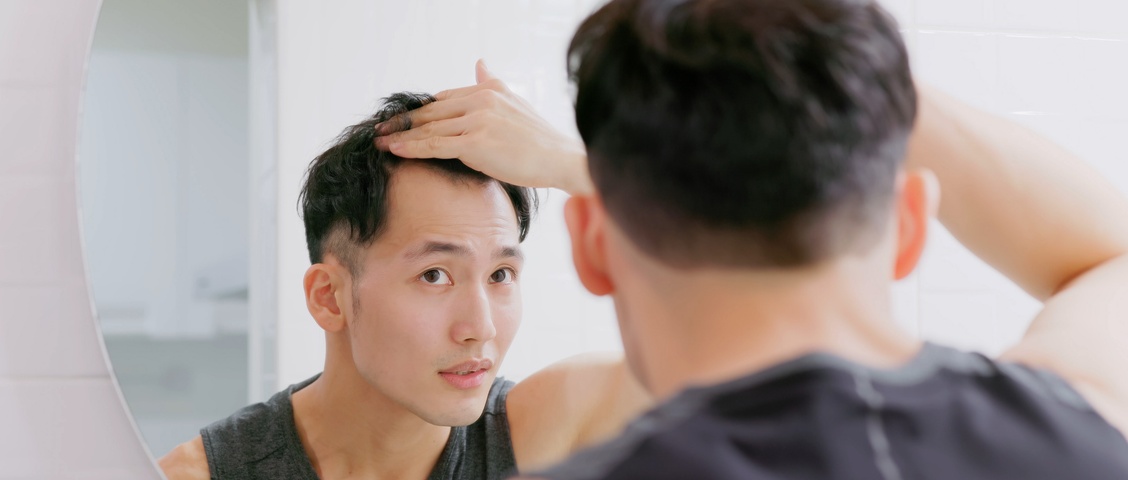
Hair loss is a common issue, impacting about two-thirds of men and a quarter of women during their lifetime. Inspired by various celebrities who have openly shared their experiences, many are choosing cosmetic procedures - such as hair transplant surgery - to deal with baldness and improve their self-esteem. According to the International Society of Hair Restoration (ISHRS), more than 80% of hair transplant patients are men.
Mental health support for adults and children
Online CBT and psychological therapy for adults and children aged 8–17. Onebright’s accredited clinicians support people experiencing anxiety, depression and other emotional challenges.
Male pattern hair loss (MPHL) - also known as androgenic alopecia1 - affects 6.5 million men in the UK. It often begins with gradual thinning hair, progressing to more noticeable bald spots on the scalp. This process can start as early as the late teens and most men will have experienced hair loss in some way by age 60.
Dr Ross Kopelman is a hair transplant surgeon from Kopelman Hair Restoration in New York City. He explains that hair loss - while not a concern for everyone - can be emotionally difficult for some men. It can lead to a decline in confidence and a potential increase in psychological effects like anxiety and depression.
"Many people feel that their hair is a vital part of their identity and appearance," he says. "Losing it can make them feel less attractive and more self-conscious."
What is a hair transplant?
A hair transplant - also known as hair restoration surgery - is a long-term cosmetic procedure that adds hair to areas of the head with less hair growth. It is suitable for those with hereditary baldness - a condition often found in families.
Hair transplant surgery can cost anything from £1,000 to £30,000, depending on hair loss severity, procedure type, and clinic quality. Hair transplants can offer a natural-looking, long-lasting solution for hair loss, but successful candidates should have adequate hair loss, healthy scalp and donor hair, and realistic expectations.
Hair transplant procedures are not necessarily right for everyone experiencing the impact of hair loss. For people with other types of hair loss, such as alopecia areata - which leads to patchy hair loss - it might not work as well. An accurate diagnosis is crucial for successful surgery, as overlooking the underlying issue can lead to complications2.
Some people may have too much hair loss for successful transplantation, while others might be advised to wait. For instance, very young patients often benefit from delaying the procedure until their hair loss pattern stabilises1. For these reasons, the key to achieving successful hair transplant results lies in choosing a qualified and experienced surgeon.
How is a hair transplant done?
Kopelman explains that a hair transplant is a surgical procedure where hair follicles are moved from one part of the body - usually the back or sides of the scalp - to a balding or thinning area of the scalp. The two main types of hair transplant procedures are:
Follicular unit transplantation (FUT)
Tiny thin sections of the scalp containing healthy hair follicles are surgically removed - usually from the back of your head.
These are divided into small sections (hair grafts) - each containing 1 to 4 hairs.
The areas from which the grafts were taken are surgically closed to form a linear scar.
The grafts are then transplanted into the areas where hair loss occurs.
Follicular unit extraction (FUE)
Individual units of hairs are removed one by one.
The grafts are placed into tiny cuts made in the scalp.
Unlike FUT, which only needs the area where the strip of the scalp is removed to be trimmed, FUE usually requires a full head shave. You will also experience small scarring, though this is barely noticeable.
Hair transplants are normally outpatient procedures, meaning you won't need to stay overnight in a hospital. The surgery is performed under local anaesthetic and sedation, which usually takes a day.
For larger areas of hair loss, you might need two or more sessions on different days.
Hair transplant benefits
Losing hair can seriously affect how we see ourselves. It can influence our thoughts and even our behaviours. Noticing thinning hair or feeling afraid it might fall out has a significant impact on your confidence. It's common to feel self-conscious, embarrassed, frustrated, or even envious of others with fuller heads of hair3.
Research suggests that undergoing a hair transplant can lead to improvements in a person's well-being. These can include:
Greater satisfaction of overall appearance and quality of life.
A better sense of self-image, with more confidence in social situations.
Less stress and anxiety associated with hair loss worry4.
"The effect of successful hair transplant surgery can have a profound positive impact on a patient's wellbeing," says Kopelman. "Restoring hair can help people regain confidence and feel more comfortable in social situations. This increased sense of empowerment can also translate into better performance and interactions at work."
While hair transplants can offer positive outcomes, some people might have underlying emotional concerns or mental health conditions that require attention before surgery. Talking through these issues with a counsellor can help you make a more informed choice if you're considering hair transplantation3.
Hair transplant downsides
Although hair transplant surgery generally offers a safe, permanent solution for hair loss, like with any medical procedure, it can come with possible drawbacks or side effects, such as:
Minor complications such as bleeding, infection and an allergic reaction to anaesthetic.
The transplanted hair follicles might not survive, leading to hair loss in those areas.
Potential scarring in the removal or transplant areas.
Hair thinning that continues outside the transplanted area.
A qualified surgeon will talk through these issues in advance and explain potential treatments.
Hair transplants have a failure rate of approximately 43%, based on patient satisfaction and successful results. Failed hair transplants happen when the transplanted hair grafts don't grow.
"The potential complications of hair transplant surgery include infection, scarring, unnatural-looking hair growth, and dissatisfaction with the results," says Kopelman. "These are heightened when patients seek cheaper clinics or fail to thoroughly research their surgeon. It's crucial to choose a qualified and experienced hair transplant surgeon to minimise the chance of negative results."
To practice medicine in the UK, doctors require General Medical Council (GMC) registration and a license. Before considering a hair transplant in England, check the clinic or hospital is registered with the Care Quality Commission (CQC). For added peace of mind, make sure your surgeon is listed as a member on the British Association of Hair Restoration Surgery website.
If you feel your hair transplant has gone wrong, you're experiencing pain, or you're just not happy with the results, contact the clinic to discuss your concerns. You can also contact CQC or raise a concern to the GMC.
Hair transplant recovery
Following your transplant surgery, you should plan to take 1-2 weeks off work to recover. Be especially gentle with the transplanted hair for the first 2 weeks, as the grafts will be extremely delicate. Your surgeon might recommend you take a break from exercise for the first month to minimise scarring. They will also provide a special spray for your scalp to aid the healing process.
Kopelman advises his patients to avoid strenuous activities such as heavy lifting and vigorous exercise for at least a few weeks. Swimming, saunas, and direct sun exposure should also be avoided during the initial recovery period. Gentle hair washing can usually resume a few days post-surgery. However, it's important to follow specific hair transplant aftercare instructions provided by the surgeon to ensure proper healing.
"Most patients can return to work within a week to ten days. Full recovery - where the redness and swelling subside - can take a few weeks," he says. "Signs of a successful recovery process include minimal swelling and redness, no signs of infection, and the gradual growth of new hair in the transplanted area. Patients typically begin to see noticeable results within 3-6 months, with full results becoming apparent after 12 - 18 months, as the hair grows in phases."
You may experience some standard, temporary side effects such as:
A swollen, itchy scalp that feels tight for a few days.
Scabbing across the hair transplant site.
A single scar or a cluster of tiny scars.
Investing time in research empowers you to make the best decision for your hair restoration journey. It's crucial to explore all aspects of hair transplants before committing to one.
As Kopelman explains: "I always emphasise the importance of realistic expectations. Hair transplant surgery can significantly improve hair density and appearance, but it's not a magic solution for everyone. I ensure patients understand the gradual nature of hair growth and the possibility of needing multiple sessions for best desired results. Open communication about the process and potential outcomes is key."
Further reading
3. Dhami: Psychology of Hair Loss Patients and Importance of Counseling
Patient picks for Hair and scalp
Skin, nail and hair health
What to do about excess body hair
Plucking. Waxing. Shaving. For many women, getting rid of unwanted hair can be a burden. But this is all the more difficult for women suffering with excess body or facial hair, otherwise known as hirsutism.
by Dr Anna Cantlay, MRCGP

Skin, nail and hair health
How often should you wash your hair?
While you likely have a hair care routine that works for you and your lifestyle, can you be sure you are washing your hair at the correct times and using the best products for your hair type? Let's explore how frequently you should be washing your hair (it's probably less often than you think) and the simple methods you can use to discover what type of hair you have.
by Emily Jane Bashforth
About the authorView full bio
Authored by

Victoria Raw
Feature Writer
BA (Hons), English Literature
Victoria is a content writer at Patient, with special interests spanning mental wellbeing, societal trends and the impact of technology on our health.
About the reviewerView full bio

Dr Krishna Vakharia, MRCGP
Chief Medical Officer for Health, Optum UK
MBChB, MRCGP(2013), BMedSci (hons), DFSRH, DRCOG, PGDipDerm (Distn)
Dr Krishna Vakharia is an NHS GP. She is also a regular examiner for the postgraduate Diploma in Practical Dermatology at Cardiff University as well as being the Chief Medical Officer for health at Optum UK.
Article history
Article also available in English, German, Spanish, French, Italian, Portuguese, Hindi, Hebrew, Arabic, and Swedish.
Next review due: 13 Jun 2027
12 Jun 2024 | Originally published
Authored by:
Victoria RawPeer reviewed by
Dr Krishna Vakharia, MRCGP
Join the conversation
Share your thoughts or experiences with others in our patient communities.

Ask, share, connect.
Browse discussions, ask questions, and share experiences across hundreds of health topics.

Feeling unwell?
Assess your symptoms online for free
Sign up to the Patient newsletter
Your weekly dose of clear, trustworthy health advice - written to help you feel informed, confident and in control.
By subscribing you accept our Privacy Policy. You can unsubscribe at any time. We never sell your data.