Cómo evitar la deficiencia de hierro
Revisado por pares por Dr Krishna Vakharia, MRCGPEscrito por Ellie BroughtonPublicado originalmente 24 Jun 2022
Cumple con las directrices editoriales
- DescargarDescargar
- Compartir
- Language
- Discusión
- Versión en audio
- Agregar a fuentes preferidas en Google
A medida que el costo de vida aumenta, muchas personas en el Reino Unido buscan formas de reducir las facturas, incluidas las de comestibles. Pero los alimentos ricos en hierro, ya sean carnes rojas o vegetarianos, siguen siendo esenciales para evitar la deficiencia de hierro, independientemente de nuestro presupuesto semanal.
What is iron deficiency?
Iron is an important part of our diet and contributes to the healthy functioning of our body. A deficiency in iron means that you have a lack of iron in your blood. This can lead to anemia por deficiencia de hierro.
What causes iron deficiency?
The common causes of iron deficiency include:
Heavy menstrual periods.
Embarazo.
Bleeding from the gut.
Medicamento.
Bleeding from the kidney.
Dietary factors.
What are the symptoms of iron deficiency?
The signs and symptoms of iron deficiency can be difficult to spot, especially if your case is mild. Some common symptoms include:
Tiredness and shortness of breath.
Te cuesta concentrarte.
Reduced ability to exercise.
Hair losing its condition, and possibly hair loss.
If you are concerned about your iron levels, then you should consult your GP.
The link between iron deficiency and food insecurity
What we reach for from our cupboards can change when we switch to cheaper options at the supermarket or accept support from a food bank. Faced with fewer food options, knowing what we need to eat, and when, helps us continue to care for ourselves despite difficult circumstances.
Last year, a systematic review led by Imperial College London researchers found that UK austerity policies were consistently linked to food insecurity and food bank use. One of the papers it referenced showed a clear association between food insecurity and anemia por deficiencia de hierro en niños.
How much iron do I need per day?
Iron is a vital part of a balanced diet, particularly if you have menstruaciones. You are recommended to have 14.8 mg of iron a day if you menstruate - this is nearly twice what the British Dietetic Association (BDA) recommends for men and for women after menopausia (8.7 mg).
The recommended iron intake for children can vary:
Children aged 2-3 years need 6.9 mg a day.
Children aged 4-6 years need 6.1 mg.
From the age of 7 years, children need 8.7 mg a day.
From the age of 11 years, this rises to 11.3 mg for teenage boys, and 14.8 mg for teenage girls.
Si eres embarazada, your iron demands increase, rising to 30 mg a day in the latter half of your pregnancy. Clinicians will check your blood for iron during your booking appointment, and at 28 weeks, to check you have enough.
Meat and fish as a source of iron
Meat and fish are full of a type of iron that's easy for the body to absorb (heme iron), advises Jo Travers, a nutritionist and registered dietitian working in London. "Generally speaking," she says, "the best source of iron - the most iron, and the most easily absorbed - is from carne roja. Beef and lamb are the best sources, and darker meat has more iron than lighter meat - for example, chicken thighs have a bit more than chicken breast."
Eating sausages, bacon, salami and other kinds of processed meat for your iron content is fine, but following new research into processed food, current advice is to try to eat smaller portions. For example, if you usually eat three rashers of bacon (90 g), cut down to two (70 g).
Vegetarian iron sources
The other kind of iron we can consume is called non-heme, and it's found in all kinds of vegetarian and vegan food.
Lentils and beans
Lentils and beans are a good source of iron and can be incorporated into lots of recipes. Foods such as beans, lentils and chickpeas can be used as a substitute for meat in your diet because they contain protein, zinc and other nutrients you'd get from meat, Travers says.
"Dried beans will sit on your cupboard shelf for years and not go bad," she says. "They are even cheaper than tinned beans, but you do need to rehydrate them before use. You do this by soaking and then cooking them.
"Once rehydrated, they take about 10-20 minutes to cook. If you have the option to use dried beans, then that's a really cheap way of getting your iron.
"Dark green leafy veg is another good source of iron - kale being a standout example", she adds.
Vitamina C
To maximise your iron intake, Travers says you should look for ways to pair vitamin-C-rich food with your iron sources.
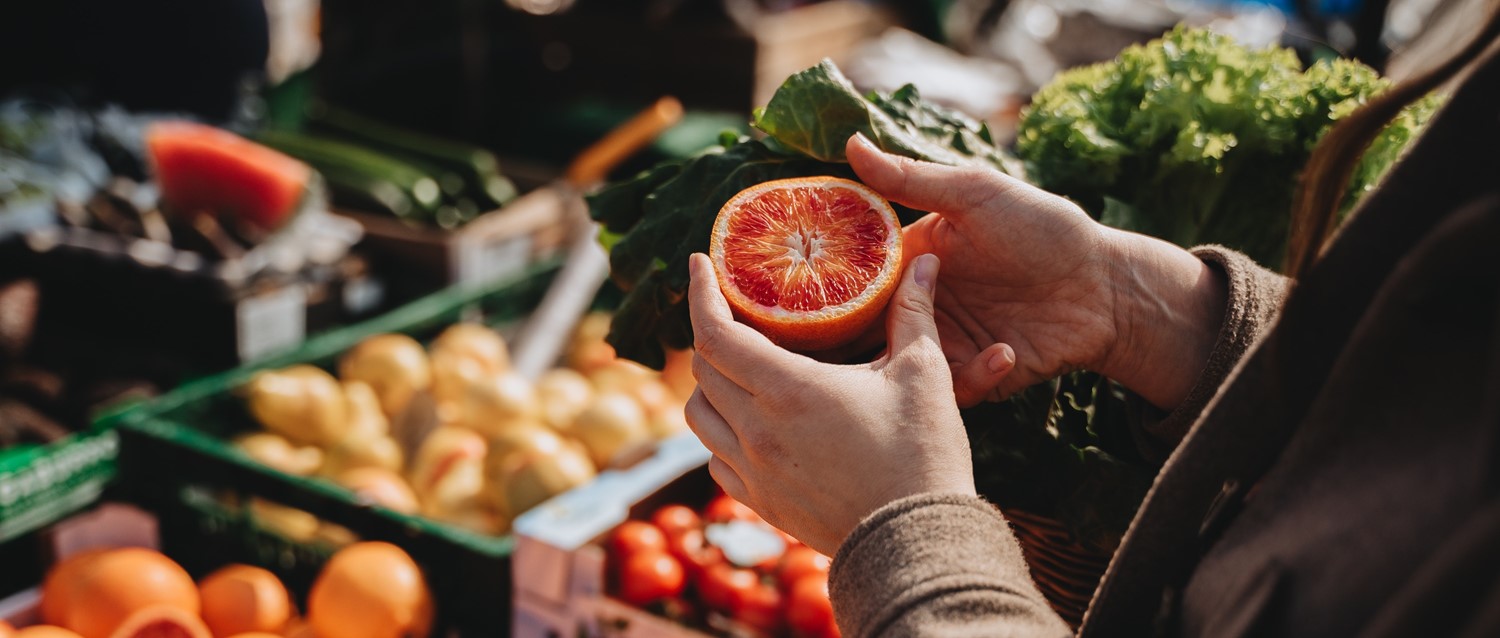
"Before this type of iron can be absorbed, it needs to go through an additional process in the stomach, which requires vitamin C," she explains. "There are various foods that contain vitamin C and iron such as orange juice and citrus fruits, spinach and sweet potato."
Iron-rich snacks
When we're time-poor and preoccupied, eating well can be one of the first things to slip. Ansiedad can also lead to a loss of appetite. At times like this, knowing a few easy meals can make all the difference.
Bread and cereals
Simple snacks such as a bowl of cereal or a couple of slices of toast can form part of a varied diet. In the UK, all non-wholemeal bread is made using fortified flour: for example, a couple of slices contains 2 mg of iron. Likewise, UK cereals are often fortified with iron: for example, two Weetabix biscuits contain 4.5 mg of iron.
Nuts and dried fruit
When you are on the go, nuts and dried fruit are a fast way to top up your iron levels and help avoid iron deficiency. For example, 50 g of raisins contains about 1 mg of iron, and 40 g of peanut butter contains 0.8 mg.
Preventing iron deficiency
In 2013, during the UK government's austerity programme, research by the Nuffield Fund found that iron-deficiency anaemia accounted for a number of preventable admissions to hospitals. The report also found that levels of deprivation are strongly linked to rates of avoidable admission. By taking care of what we eat and helping others do the same, we can take small steps to prevent issues such as iron deficiency.
Selecciones del paciente para Nutrición
Dieta y nutrición
Más allá de la uva: descubriendo los beneficios para la salud del resveratrol
Las uvas rojas tienen un arma secreta que las protege de las enfermedades: el resveratrol. ¿Podría hacer lo mismo por ti? Encontrado principalmente en la piel de las uvas rojas, este compuesto natural es aclamado por algunos como la clave para una buena salud. Pero, ¿realmente vale la pena la emoción? Sigue leyendo para saber más.
por Victoria Raw
Dieta y nutrición
¿Son buenas las semillas de calabaza para ti?
Las semillas de calabaza no son solo para Halloween. Aunque puedan recordarte a tallar linternas de calabaza en otoño, muchas personas las disfrutan durante todo el año por sus beneficios para la salud. Echemos un vistazo más de cerca a lo que las semillas de calabaza tienen para ofrecer y veamos si merecen un lugar permanente en tu dieta.
por Victoria Raw
Sobre el autor

Ellie Broughton
Acerca del revisorVer biografía completa

Dr Krishna Vakharia, MRCGP
Director Médico de Salud, Optum UK
MBChB, MRCGP(2013), BMedSci (hons), DFSRH, DRCOG, PGDipDerm (Distn)
La Dra. Krishna Vakharia es una médica general del NHS. También es examinadora habitual del Diploma de Posgrado en Dermatología Práctica en la Universidad de Cardiff, además de ser la Directora Médica de salud en Optum UK.
Historial del artículo
La información en esta página es revisada por pares por clínicos calificados.
Artículo también disponible en Inglés, Alemán, Español, Francés, Italiano, Portugués, Hindi, Hebreo, Árabe, y Sueco.
24 Jun 2022 | Publicado originalmente
Escrito por:
Ellie Broughton
Revisado por pares por
Dr Krishna Vakharia, MRCGP

Pregunta, comparte, conecta.
Navega por discusiones, haz preguntas y comparte experiencias en cientos de temas de salud.

¿Te sientes mal?
Evalúa tus síntomas en línea de forma gratuita
Suscríbete al boletín de Patient
Tu dosis semanal de consejos de salud claros y confiables, escritos para ayudarte a sentirte informado, seguro y en control.
Al suscribirte aceptas nuestros Política de Privacidad. Puedes darte de baja en cualquier momento. Nunca vendemos tus datos.
Más sobre dieta y nutrición
- 10 nutrientes esenciales que podrías estar careciendo
- 10 alimentos cotidianos ricos en vitamina D
- 10 sorprendentes beneficios para la salud del repollo
- 5 comidas rápidas y saludables para estudiantes
- ¿Cómo afecta la dieta a la demencia?
- Cómo la comida afecta tu estado de ánimo
- ActualizadoCómo desarrollar músculo con una dieta vegana
- Cómo eliminar los gases atrapados: remedios caseros que funcionan
- Cómo prepararse con vitaminas para el otoño y el invierno
- Cómo tu intestino afecta tu salud en general
- Dieta para el síndrome del intestino irritable: alimentos a consumir y a evitar
- ¿Existe un vínculo entre la dieta y el acné?
- ¿Está su hijo consumiendo demasiado azúcar?
- Dieta Mounjaro: Alimentos para comer y evitar
- Las proteínas de origen vegetal podrían ayudar a prevenir la hipertensión
- La conexión entre la salud intestinal y la felicidad
- Vitamina C: beneficios, fuentes y deficiencia
- ¿Qué es la alimentación saludable y cómo puedes comenzar?
- ¿Qué es la alimentación intuitiva y puede mejorar tu relación con la comida?