¿Es la gripe o solo un resfriado?
Revisado por Dra. Sarah JarvisEscrito por Kerry Taylor-SmithPublicado originalmente 25 de oct. de 2018
Cumple con las directrices editoriales
- DescargarDescargar
- Compartir
- Language
- Discusión
- Versión en audio
- Agregar a fuentes preferidas en Google
La temporada está sobre nosotros - es esa época del año en la que todos recurren a la medicina para el resfriado y la gripe al menor indicio de tos o nariz congestionada - pero, ¿cuál es, un resfriado o la gripe?
Patrocinado
NHS Stay Well This Winter
Respaldado por NHS Mantente Bien Este Invierno. Patient.info retiene el control exclusivo del contenido.
It's a cold ...
El resfriado común is a viral infection of the nose and upper airways that can be caused by any number of viruses. And, true to its name, they are common - adults can expect to experience two to four colds a year, children will catch between five and six, while nursery-aged children might experience up to 12 bouts year.
Symptoms include blocked nose or congestion, a runny nose, coughing and sneezing, along with a mild high temperature and generally feeling unwell. Symptoms are usually at their worst after two or three days and gradually clear, although the cough may linger for another couple of weeks as the inflammation in the airways caused by the infection subsides.
It's the flu ...
Gripe is also caused by a virus, specifically the influenza virus. Symptoms are similar to those of a cold, but the flu also causes fever, fatigue, aches and pains in the muscles/joints, headaches and nausea.
"The flu is far more severe than the 'common cold'. The symptoms, although similar, are more dramatic and last longer. Telltale signs it might be flu rather than just a cold include having a very high fever, dolores de cabeza, body aches and extreme lethargy. With a cold, aches are usually mild and fever not so apparent," explains GP Dr Dinesh Silva from Doctaly.com.
"Flu typically lasts between one to two weeks with the worst symptoms coming after three to four days. That said, it can take longer to overcome the fatigue and weakness that accompany flu and the dry cough most people experience can hang around for a while as well."
Treatment and prevention
There are no specific treatments for the common cold or influenza; however, there are many ways to ease their symptoms including:
Paracetamol o ibuprofeno to ease aches and pains.
Drinking plenty of fluids to prevent dehydration, particularly if there is a fever.
Vapour rubs to clear stuffy noses - but only use on the chest and back and not under the nose.
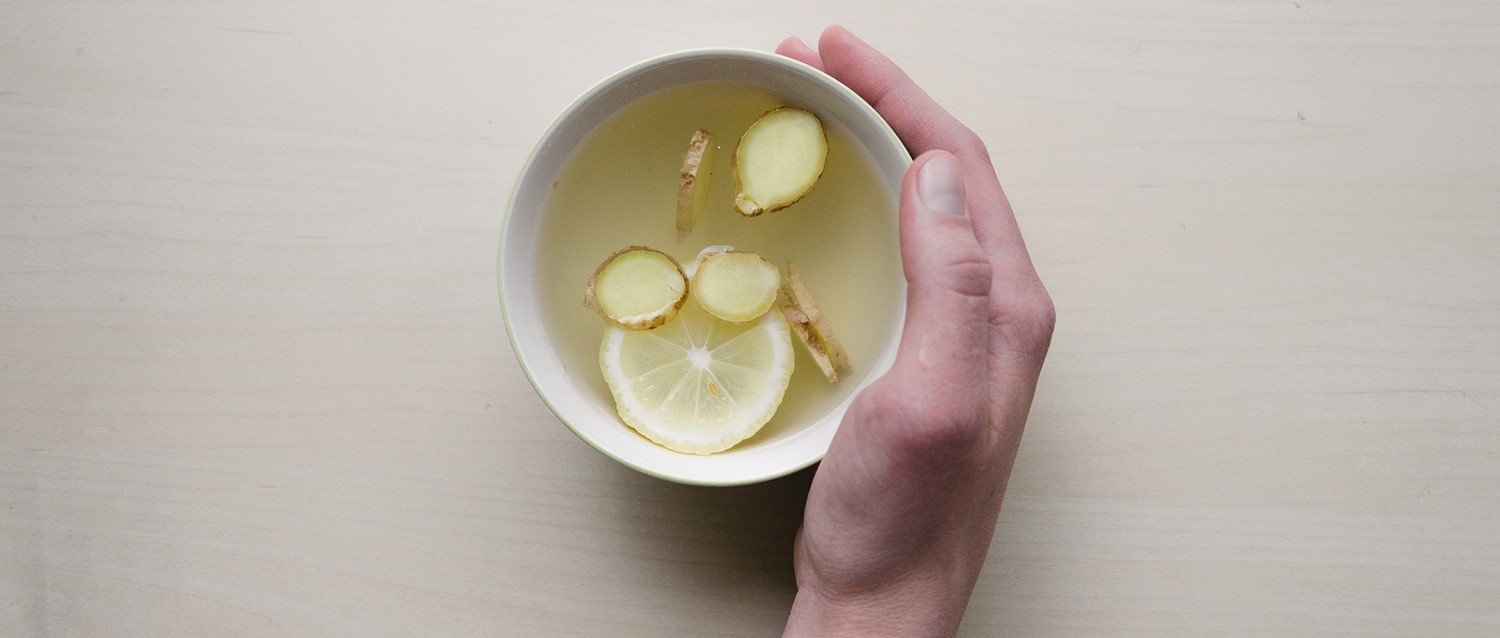
Warm honey and lemon drinks, decongestant drops and cough sweets may ease throat and nose symptoms.
Steam inhalation may be useful for some although there is little evidence it helps.
Many sufferers turn to over-the-counter cold and flu medicines to lessen their symptoms. Since many of these contain paracetamol and decongestants, care should be taken if using more than one medicine, to avoid taking too much of one ingredient. It should also be noted that decongestant sprays should only be used for short periods as their effect is short-lived and, if these are overused, the nose may actually become stuffier.
Both illnesses are passed from person to person via droplets in coughs and sneezes, or touching a surface where the virus has landed. Simple steps can be taken to prevent the viruses from spreading, including regularly washing hands with soap and water and avoiding close contact with those infected - even children sharing toys can cause the virus to spread.
Should I get the flu jab?
Make no mistake - flu kills. To put the risks into perspective, deaths from the common cold are vanishingly rare, except in people with other serious health conditions such as EPOC. Flu, by contrast, was associated in almost 16,000 deaths in England alone in 2017/8. In 2016/7, the figure was even higher at 17,600. Older people, pregnant women, small children and people with long-term health conditions are particularly vulnerable to life-threatening complications such as neumonía.
"The flu is potentially life-threatening. Every year there are thousands of deaths from the flu and many more numbers requiring hospitalisation," explains Silva. "The flu virus can be extremely dangerous to vulnerable people which is why the NHS offers the immunisation to at-risk groups, which include those over 65, pregnant women and people with long-term conditions, especially those affecting the lungs, such as asthma, emphysema and chronic bronchitis."
"It is vital that people with asthma get the vacuna contra la gripe as it will not only prevent them getting flu, it could prevent a life-threatening asthma attack. An estimated 4 million people in the UK say that colds and flu trigger their asthma symptoms," added GP Dr Andy Whittamore, clinical lead at Asthma UK.
"The best way for people with asthma to stay well this season is to have the flu vaccine and continue to take their medicines as prescribed - including their preventer inhaler. The flu vaccine can take up to two weeks to be fully effective, so people with asthma should get it as soon as possible so they're protected during the 'peak flu' season in December and January."
Primary school-aged children are also offered a flu vaccination in the form of a nasal spray while toddlers aged 2 and 3 years can have it at their general practice. Many employers also offer the flu jab as a means of reducing sick leave and ensuring productivity.
"In an ideal world, everyone should be offered the jab; however, the NHS currently prioritises it to the most vulnerable," adds Silva. "This is the most cost-effective way of reducing the burden on hospitals during the flu season."
Conclusión
It is impossible to prevent the common cold and influenza, but common sense and good hygiene mean that its spread can be somewhat contained. It seems wise to have the flu vaccination if offered it; although it doesn't provide 100% immunity, it will significantly lower your risk - and the risk of others around you - of catching the flu.
Selecciones del paciente para Gripe y vacunación

Infecciones
Por qué deberías considerar la vacuna contra la gripe
After nearly 40 years in general practice, I think I’ve heard them all. “I don’t need a flu jab, doc, I’m as fit as a flea.” “I’ve never had a flu jab, and I’ve never had the flu”. And best of all: “I knew someone who never had the flu till he had the jab, and now he gets flu every year.”
por el Dr. Laurence Knott

Infecciones
Cómo reservar tu vacuna contra la gripe antes del invierno
El invierno se acerca y con él viene un mayor riesgo de contraer gripe. La gripe puede dejarnos sintiéndonos terribles y postrados en cama durante días, pero para algunas personas, los efectos pueden ser más graves o incluso poner en peligro la vida. Vacunarse contra la gripe es la mejor manera de protegerse a sí mismo y a los demás, y aquí le mostramos cómo obtener la suya.
por Lydia Smith
Sobre el autorVer biografía completa
Escrito por

Kerry Taylor-Smith
Periodista freelance
BSc (Hons) Natural Sciences
Kerry ha sido escritora, editora y correctora freelance desde 2016; se especializa en temas relacionados con la ciencia y la salud.
Acerca del revisorVer biografía completa

Dra. Sarah Jarvis
Consultora Clínica
MA (Cantab), BM, BCh (Oxon), DRCOG, FRCGP, MBE
Después de formarse en medicina en Cambridge y Oxford, la Dra. Sarah Jarvis MBE se convirtió en médica general.
Historial del artículo
Artículo también disponible en Inglés, Alemán, Español, Francés, Italiano, Portugués, Hindi, Hebreo, Árabe, y Sueco.
25 de oct. de 2018 | Publicado originalmente
Escrito por:
Kerry Taylor-SmithRevisado por
Dra. Sarah Jarvis
Únete a la conversación
Comparte tus pensamientos o experiencias con otros en nuestro comunidades de pacientes.

Pregunta, comparte, conecta.
Navega por discusiones, haz preguntas y comparte experiencias en cientos de temas de salud.

¿Te sientes mal?
Evalúa tus síntomas en línea de forma gratuita
Suscríbete al boletín de Patient
Tu dosis semanal de consejos de salud claros y confiables, escritos para ayudarte a sentirte informado, seguro y en control.
Al suscribirte aceptas nuestros Política de Privacidad. Puedes darte de baja en cualquier momento. Nunca vendemos tus datos.