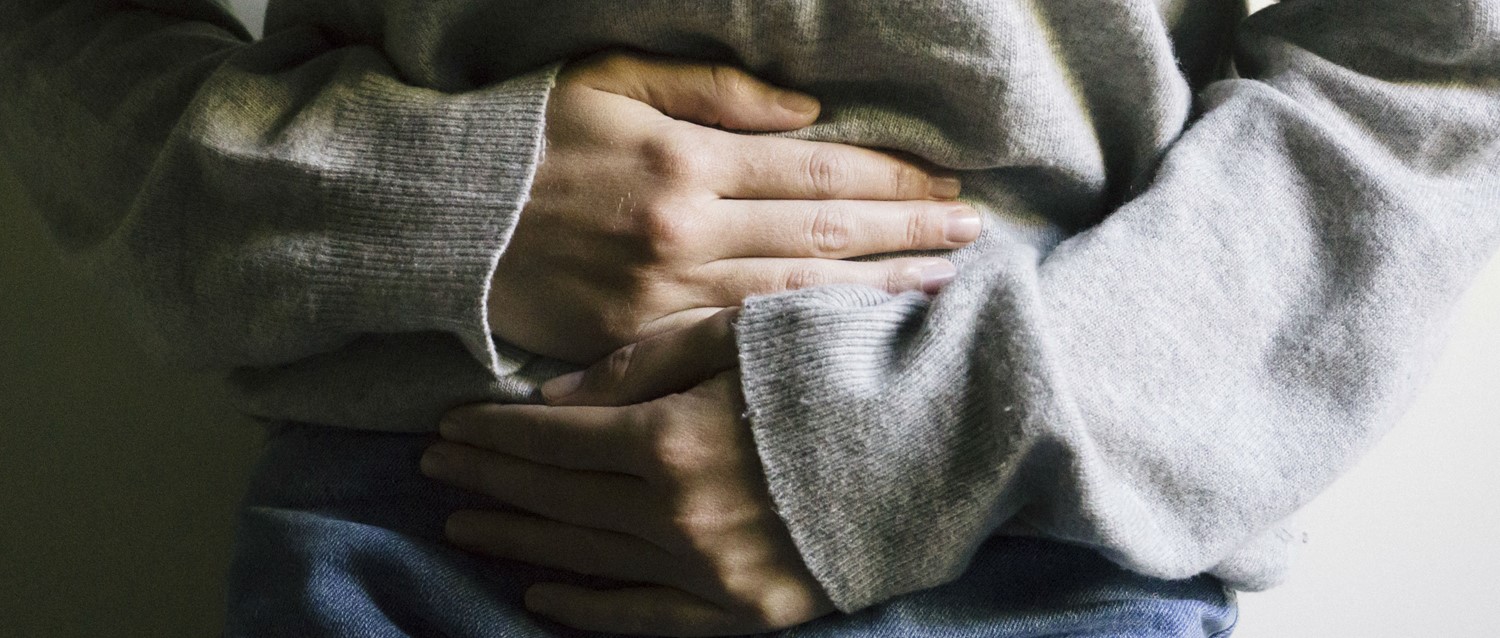
Could it be gallstones?
Peer reviewed by Dr Krishna Vakharia, MRCGPAuthored by Dr Sarah JarvisOriginally published 22 Feb 2023
Meets Patient’s editorial guidelines
- DownloadDownload
- Share
- Language
- Discussion
- Audio Version
- Add to preferred sources on Google
Gallstones are very common: around one in three women and one in six men will get them at some point. However, they don't always cause symptoms - around two in three people who have gallstones don't know they have them. But they are also a common cause of tummy pain. They get more common with age and those who are overweight, smoke, have type 2 diabetes or high cholesterol, take the oral contraceptive pill, or have lost a lot of excess weight in a short amount of time, have an increased risk of gallstones. They can sometimes run in families.
What are gallstones?
Gallstones form in your gallbladder. This small pear-shaped pouch, just 8 cm long, sits tucked away under your liver, on the upper right side of your tummy. It acts as a storage pouch for a yellow-greenish liquid called bile, produced by your liver. Bile has two main functions - breaking down food (especially fatty food) you've eaten and carrying away waste from your liver.
When you eat, your stomach produces a hormone which stimulates the muscles in the wall of the gallbladder. These contract and release bile, which passes down a tube called the bile duct connecting your gallbladder to your intestine. Here it gets to work digesting fat, allowing it to be absorbed from your gut into your bloodstream.
But bile contains several substances, including bile salts, the pigment bilirubin and cholesterol. If there's an imbalance in the amount of any of these , tiny stone-like deposits can form-gallstones. Then these gallstones can gradually increase in size.
Are gallstones dangerous?
If gallstones get larger, or get stuck in the bile duct, they can lead to a variety of symptoms. At the mild end of the spectrum, you may get wind, bloating, or pain in the upper tummy and discomfort after eating a fatty meal. Other more severe symptoms also tend to come on after eating fatty food, or at night.
What is cholecystitis?
Cholecystitis is the medical term for inflammation of the gallbladder. Symptoms include:
Upper tummy pain, usually on the right hand side, which is often worse if you take a big breath and which can travel to your right shoulder tip or upper back.
Feeling or being sick.
Fever.
Feeling hot and cold, with sweating and shivering.
In cholecystitis, the inflamed gallbladder can become infected, in which case you're likely to feel very unwell. The pain tends to come on quickly and last for several hours. It is often severe enough for you to need admission to hospital.
What is biliary colic?
Biliary colic happens when a stone gets stuck between the gallbladder and the bile duct. In an attempt to dislodge the stone, the gallbladder squeezes repeatedly, leading to severe, colicky pain in the upper right side of the tummy. This pain can last for minutes or hours, and settles once the gallstone is pushed out into the bile duct or falls back into the gallbladder.
Can gallstones lead to jaundice?
Less commonly, a gallstone can get stuck in the bile duct, preventing bile from reaching the gut. If this happens, a build-up of bilirubin in the bloodstream leads to jaundice, with yellowing of the whites of the eyes and skin and sometimes dark urine and pale poos.
Gallstones can occasionally lead to pancreatitis, or inflammation of the pancreas. This is because the bile duct and the outflow of the pancreas into the gut join together close to where they join the gut. A gallstone stuck here can lead to very severe pain just under the ribs, being sick, fever, feeling very unwell and sometimes swelling of your tummy.
What is pancreatitis?
Your pancreas sits behind your stomach, close to your liver and duodenum. It produces hormones - including insulin, which controls blood sugar - and chemicals called enzymes which help digest food. These are released into your gut down a tube called the pancreatic duct.
Because the end of the pancreatic duct opens into the bile duct, a gallstone in the bile duct can block the pancreatic duct. Like a blocked pipe in your plumbing, this causes increased pressure and can lead to very painful inflammation in the pancreas, called acute pancreatitis.
Gallstones treatment
Treatment for gallstones depends on the complications they have caused. Only a few people with gallstones, who have never had problems, develop complications each year. When treating gallstones, your doctor is likely to recommend that you try and lose excess weight - while avoiding crash diets or rapid weight loss - and leave them alone unless you get pain. The same may apply if you just have mild, infrequent pain.
If you have acute cholecystitis or biliary colic, you may need admission to hospital for strong pain relief and antibiotics if there's also an infection. After this, you should be offered surgery to remove your gallbladder - known as a cholecystectomy- you can lead a perfectly normal life without one. These days, most people can have keyhole surgery under general anaesthetic. They can usually go home the same day, with full recovery within a couple of weeks.
After a gallbladder removal, some people may need to avoid spicy or fatty foods to prevent bloating or diarrhoea.
With thanks to 'My Weekly' magazine where this article was originally published.
Patient picks for Liver and gallbladder
Digestive health
What you need to know about hepatitis
The World Health Organization's global hepatitis strategy aims to reduce new hepatitis infections by 90% and deaths by 65% by 2030. The UK has made great strides towards this target by increasing vaccinations and introducing new and improved treatments. Testing has also been increased and the NHS has now introduced a simple, at home self-test for hepatitis C. Find out here what hepatitis does to the body and what causes it.
by Lawrence Higgins
Digestive health
What's the difference between hepatitis A, B, and C?
You've probably heard of hepatitis, but do you know the difference between hepatitis A, B, and C? They are all caused by different viruses and, while they have similarities - especially in their symptoms - treatments and preventative measures differ.
by Emily Jane Bashforth
About the authorView full bio

Dr Sarah Jarvis
Clinical Consultant
MA (Cantab), BM, BCh (Oxon), DRCOG, FRCGP, MBE
After training in medicine at Cambridge and Oxford, Dr Sarah Jarvis MBE became a GP.
About the reviewerView full bio

Dr Krishna Vakharia, MRCGP
Chief Medical Officer for Health, Optum UK
MBChB, MRCGP(2013), BMedSci (hons), DFSRH, DRCOG, PGDipDerm (Distn)
Dr Krishna Vakharia is an NHS GP. She is also a regular examiner for the postgraduate Diploma in Practical Dermatology at Cardiff University as well as being the Chief Medical Officer for health at Optum UK.
Article history
The information on this page is peer reviewed by qualified clinicians.
Article also available in English, German, Spanish, French, Italian, Portuguese, Hindi, Hebrew, Arabic, and Swedish.
22 Feb 2023 | Originally published
Authored by:
Dr Sarah JarvisPeer reviewed by
Dr Krishna Vakharia, MRCGP
Join the conversation
Share your thoughts or experiences with others in our patient communities.

Ask, share, connect.
Browse discussions, ask questions, and share experiences across hundreds of health topics.

Feeling unwell?
Assess your symptoms online for free
Sign up to the Patient newsletter
Your weekly dose of clear, trustworthy health advice - written to help you feel informed, confident and in control.
By subscribing you accept our Privacy Policy. You can unsubscribe at any time. We never sell your data.
More in digestive health
- Acid reflux diet: foods to eat and avoid
- Are the symptoms of IBS in men and women different?
- Crohn's disease in children: How to support your child
- Fatty liver diet: foods to eat and avoid
- UpdatedGallstones diet: foods to eat and avoid
- How to avoid tummy bugs
- How to get rid of trapped wind: home remedies that work
- How to look after your liver
- How to treat bowel incontinence
- How to treat food poisoning at home
- How your gut affects your overall health
- Is it indigestion or something more serious?
- Poo - what's normal?
- Probiotics for IBS: do they work?
- What causes nighttime stomach cramps?
- What happens if your appendix bursts?
- What is your gut microbiome?
- What's the difference between hepatitis A, B, and C?
- Why does your stomach rumble when you aren't hungry?
- Why has there been an increase of hepatitis in children?