How to spot the signs of a dead tooth
Revisado por pares por Dr Krishna Vakharia, MRCGPEscrito por Amberley DavisPublicado originalmente 24 Nov 2022
Cumple con las directrices editoriales
- DescargarDescargar
- Compartir
- Language
- Discusión
- Versión en audio
A dead tooth can do more than ruin your smile - it can be a source of pain, discomfort, and embarrassment that disrupts your day-to-day life. How can you tell if you have a dying or dead tooth and what are the treatment options?
En este artículo:
Continúa leyendo abajo
What is a dead tooth?
A dead tooth, also called a non-vital tooth or pulpless tooth, is a tooth that's no longer receiving a fresh supply of blood. Cosmetic dentist Dr Sam Jethwa explains how a tooth can die:
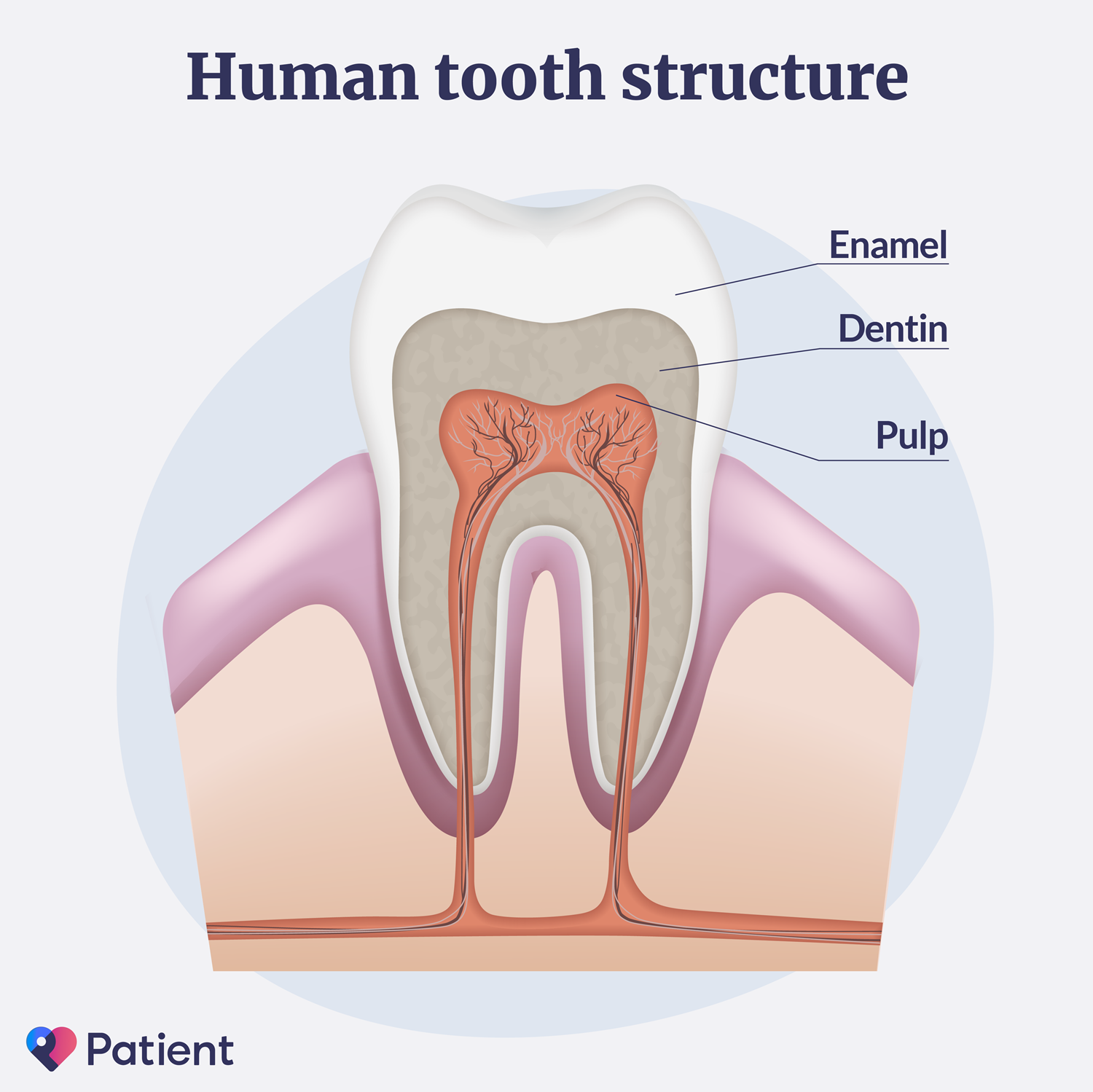
"Our teeth are made up of three layers; the enamel on the outside, the dentin on the inside, and in the middle the pulp. The pulp, a rich source of nerves and blood vessels, keeps a tooth alive and healthy. When these blood vessels and nerves die, then the tooth dies as well."
The three layers
What causes a dead tooth?
Volver al contenidoAccording to Dr Jethwa, there are three reasons that can cause these vessels and nerves to die; physical trauma and damage - usually from an injury or sometimes even the process of having a filling - or from tooth decay.
Tooth decay tends to be the result of poor higiene dental or a diet that's high in sugar. This prevents bacteria from building up, infecting the pulp, and cutting off its blood flow.
Continúa leyendo abajo
What does a dead tooth look like?
Volver al contenidoYou can often identify a dying or dead tooth by the way it looks. This is because the tooth becomes discoloured, turning grey or black in appearance. This discolouration will continue to grow more obvious as the tooth continues to decay and the nerve dies.
Other dead tooth symptoms
Volver al contenidoOther signs of a dead tooth include:
Toothache - this can be constant or happen at certain times, such as when the tooth comes into contact with hot or cold things.
Tooth sensitivity or a loss of sensation.
Swelling around the gum.
An abscess - a swollen, pus-filled bump.
Mal aliento - sometimes a little bad breath is normal, especially morning breath, but it can be a sign of a dental problem.
Continúa leyendo abajo
How to treat a dead tooth
Volver al contenido"It is possible to save a tooth that is dying, but time is of the essence," says Dr Jethwa. "For the tooth to be saved, you need an early diagnosis."
Can a dead tooth be saved?
This means you should visit a dental professional as soon as you notice the signs of a dead tooth. According to Dr Jethwa, your dentist may have materials that can be placed inside the tooth to regenerate the tooth tissue around the nerve and avoid root canal treatment.
He also explains the other treatment options:
Una root canal is a procedure that drills into a tooth to remove the dead pulp and replace it with a man-made substance. It's then sealed to prevent further infection.
The third treatment option is extraction - the total removal of the dead tooth if it's too damaged to repair. It's your choice if you then want to fill in this gap with an implant, denture, or bridge.
The cost is one consideration - NHS dentists have fixed priced treatment plans but costs at private dentists can vary depending on the pratice, and the type and size of the replacement. The Oral Health Foundation recommends getting a written estimate and treatment plan before starting any dental treatment, to avoid any financial surprises1.
Possible reasons for replacing your extracted dead tooth:
Aesthetics - you may not like how having a gap looks.
More strain - a missing tooth could place more strain on the remaining teeth.
Your bite - over time, your teeth may lean into the gap, changing the way your upper and lower teeth bite together. This could then lead to a build-up of food particles in the gap, increasing the risk of enfermedad de las encías y tooth decay1.
Can you whiten a dead tooth?
"If the damage has already affected the tooth enamel and caused discolouration and brittleness, then an ultra-thin veneer could be an ideal way to hide the discoloration and protect the tooth from further damage," says Dr Jethwa.
However, this depends on how early the problem is identified. Your dentist will advise on the dental care options available to you, both in terms of your dental health and wellbeing, and also your cosmetic options.
Lectura adicional
Volver al contenidoSelecciones del paciente para Dental care
Cuidado oral y dental
What your teeth say about your health
Most of us know the importance of looking after our teeth. Twice daily brushing, flossing, and good dental hygiene can help to keep our smile fresh, with little need for expensive dental work. But did you know that tooth issues can also indicate issues in the rest of the body?
por Lynn Stephen

Cuidado oral y dental
Cómo tus dientes pueden afectar tu autoestima
Cómo nos sentimos respecto a nuestros dientes puede afectar realmente nuestra confianza. Como un tercio de los adultos admite estar insatisfecho con su sonrisa, el dentista Dr. Steve Preddy analiza cómo nuestra salud bucal desempeña un papel importante en nuestro bienestar mental.
por el Dr. Steve Preddy
Historial del artículo
La información en esta página es revisada por pares por clínicos calificados.
24 Nov 2022 | Publicado originalmente
Escrito por:
Amberley DavisRevisado por pares por
Dr Krishna Vakharia, MRCGP

Pregunta, comparte, conecta.
Navega por discusiones, haz preguntas y comparte experiencias en cientos de temas de salud.

¿Te sientes mal?
Evalúa tus síntomas en línea de forma gratuita
Suscríbete al boletín de Patient
Tu dosis semanal de consejos de salud claros y confiables, escritos para ayudarte a sentirte informado, seguro y en control.
Al suscribirte aceptas nuestros Política de Privacidad. Puedes darte de baja en cualquier momento. Nunca vendemos tus datos.