Aspirin and other antiplatelet medicines
Peer reviewed by Dr Rosalyn Adleman, MRCGPLast updated by Dr Toni Hazell, FRCGPLast updated 30 Jul 2024
Meets Patient’s editorial guidelines
- DownloadDownload
- Share
- Language
- Discussion
- Audio Version
- Add to preferred sources on Google
Most people who have a cardiovascular disease (for example, angina, peripheral arterial disease, or a previous heart attack, transient ischaemic attack (TIA) or stroke) take a low-dose aspirin (75 mg) each day or clopidogrel (75 mg) each day. This reduces the risk of heart attack by about a third. It reduces the risk of having a stroke by about a quarter.
A daily low dose of aspirin also reduces the risk of developing a number of common cancers, but it is not advised that everyone in the population should take aspirin for this reason. This is because in some people aspirin can increase the risk of stomach bleeding and stomach ulcers, which are sometimes fatal.
At a glance
Aspirin is a medicine used to prevent blood clots and can also be used as a painkiller.
Low-dose aspirin reduces the stickiness of platelets, which helps prevent blood clots.
If you have or have had cardiovascular diseases, you will normally be advised to take low-dose aspirin.
The usual dose of aspirin to prevent blood clots is 75 mg each day.
Side-effects can include bleeding in the stomach or gut, or rarely, an allergic reaction.
If you develop severe tummy pains, pass blood or black stools, stop taking aspirin and see a doctor.
Aspirin may be recommended to help prevent cancer for people with Lynch syndrome.

Unsure about mixing medicines?
Check for possible interactions between medicines, supplements and foods before taking them together.
What is aspirin?
Aspirin is a medicine that has been used for many years as a painkiller. However, it has another action to lower the risk of forming a blood clot in the arteries of the heart (coronary arteries) or brain. This lowers the risk of having a heart attack (myocardial infarction) or stroke.
Is aspirin a blood thinner?
Aspirin is sometimes called a blood thinner, because of this effect to reduce blood clots.
How does aspirin work?
Cross-section diagram of an artery with patches of atheroma
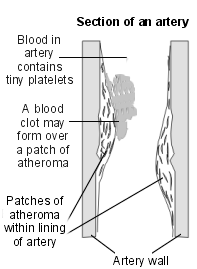
Aspirin helps to prevent blood clots forming. A blood clot may form in a blood vessel (artery) if a lot of platelets stick on to some atheroma (see below). A clot in an artery may stop blood flowing to the tissues further down. If a blood clot forms in an artery in the heart or brain, it may cause a heart attack or stroke.
Atheroma patches are like fatty lumps that develop in the inside lining of some arteries. This mainly occurs in older people and is sometimes called hardening of the arteries.
Platelets are tiny particles in the blood, which help the blood to clot when a blood vessel is cut. Platelets sometimes stick on to atheroma inside an artery.
Low-dose aspirin reduces the stickiness of platelets. This helps to stop platelets sticking to a patch of atheroma and forming a blood clot.
Who should take aspirin to prevent blood clots?
People with known cardiovascular diseases
Cardiovascular diseases are diseases of the heart or blood vessels. However, in practice, when doctors use the term cardiovascular disease they usually mean diseases of the heart or blood vessels that are caused by atheroma.
Patches of atheroma are like fatty lumps that develop in the inside lining of some blood vessels (arteries).
These diseases include:
Heart attack.
Stroke.
Transient ischaemic attack (TIA).
If you have, or have had, any of these diseases, you will normally be advised to take low-dose aspirin to help to prevent further problems or complications.
Taking aspirin when you have a cardiovascular disease, to reduce the risk of future cardiovascular diseases, is known as secondary prevention. For people with cardiovascular diseases there is a lot of benefit from taking aspirin.
Several studies involving thousands of people have proved that the risk of having a heart attack or stroke is much reduced in these people if they take aspirin. For example, the risk of having a non-fatal heart attack is reduced by about a third. The risk of having a non-fatal stroke is reduced by about a quarter. The risk of dying is reduced by about a sixth.
Note: taking aspirin is not a substitute for preventing atheroma from developing. If possible, you should also reduce any risk factors. For example, do not smoke, do some regular physical activity, eat a healthy diet and keep your weight in check.
What about people with a high risk of developing a cardiovascular disease?
Everybody has some risk of developing atheroma that may cause one or more of the above cardiovascular diseases. However, certain risk factors increase the risk.
These include:
High blood pressure.
A high cholesterol level.
Smoking.
Lack of exercise.
Obesity.
An unhealthy diet.
Excess alcohol.
A strong family history of cardiovascular disease.
Certain ethnic groups.
Being male
In the past, people at a high risk of developing a cardiovascular disease were recommended to take aspirin. This is called primary prevention. That is, aiming to prevent a disease occurring before it happens.
However, it is now known that for those who do not already have cardiovascular disease, the risks of taking aspirin outweigh any benefits.
What is the dose of aspirin to prevent blood clots?
The usual dose to prevent blood clots is 75 mg each day. This is a lot less than the dose for pain relief. Taking more than the recommended dose does not make aspirin work any better to prevent blood clots but increases the risk of side-effects developing. Therefore, stick to the dose recommended by your doctor, which is usually 75 mg daily.
If you take low-dose aspirin to prevent blood clots and you need to take painkillers (for example, for headaches) it is best to take paracetamol rather than a higher dose of aspirin.
Are there any side-effects from aspirin?
Most people do not have any side-effects with low-dose aspirin.
The most serious possible side-effects that affect a small number of people include the following:
Bleeding in the stomach or gut. This is more common if you have a stomach or duodenal ulcer. It is also more likely if you take a steroid medicine or an anti-inflammatory medicine (such as ibuprofen, also known as an NSAID) as well. As a rule, it is best to avoid taking both aspirin and these other medicines. If you develop upper tummy (abdominal) pains, pass blood or black stools (faeces), or bring up (vomit) blood, stop taking the aspirin. Then see your doctor as soon as possible or go to the nearest casualty department.
Rarely, some people are allergic to aspirin.
Aspirin can occasionally make breathing symptoms worse if you have asthma.
If you have problems with taking aspirin to prevent blood clots, then possible options include:
Taking an alternative antiplatelet medicine such as clopidogrel.
If bleeding from the stomach or gut is a problem then another medicine may be prescribed to protect the lining of the stomach and gut.
Other antiplatelet medicines used to prevent blood clots
As mentioned earlier, platelets are tiny particles in the blood, which help the blood to clot. There are other medicines which have a similar effect on reducing platelets from sticking together. They work in slightly different ways, acting on different chemicals but with the similar end result of preventing blood clots.
They include:
Prasugrel.
Ticagrelor.
The choice of drug depends on your medical history:
After an episode of acute coronary syndrome (ACS), dual anti-platelet therapy (DAPT) with aspirin and one other drug is recommended for one year, stepping down after that to just aspirin.
For those with peripheral arterial disease (damage to the arteries in the legs), clopidogrel is the preferred anti-platelet.
After a stroke or transient ischaemic attack, DAPT with clopidogrel or ticagrelor and aspirin is usually used for 3-4 weeks, then changing to either clopidogrel or ticagrelor.
After an angioplasty (stent in the arteries around the heart), DAPT with aspirin and clopidogrel is used for between 1 month and 3 years, then stepping down to one drug.
Can aspirin prevent cancer?
The suggestion that aspirin use may prevent cancer was first made in 2010 and various studies have been done since then. In 2021, a large study meta-analysis (a type of paper which looks at lots of other papers) reviewed 118 studies. In those who had cancer and were taking daily aspirin, there was a reduction of about 20% in deaths from cancer and from other reasons, compared to those who weren't taking aspirin. Fatal bleeding complications were rare. In 2023, the same authors wrote a summary article in which they pointed out that the use of aspirin in patients with cancer would reduce blood clots and that some studies showed that aspirin reduces the likelihood of a cancer metastasising (spreading).
Current NHS guidelines recommend a daily dose of aspirin for people with Lynch syndrome, which increases the risk of several different types of cancer. It is not recommended on a population basis.
It is important to remember that the overall effect of taking aspirin is based on statistics of a community of people. It is impossible to say if you as an individual are likely to benefit, to be harmed, or for it to make no difference to you - just that the odds of you developing cancer go down, but you may develop a side-effect. The benefit has to be balanced against the risk. Aspirin is not a total preventer of blood clots or of cancer. It simply reduces the risk, and that risk varies from person to person.
Can you take aspirin with paracetamol?
Yes, this is fine. If you are ever in doubt as to whether you can take two over the counter medicines together, ask a pharmacist.
Patient picks for Heart and blood medicines
Treatment and medication
Anticoagulants
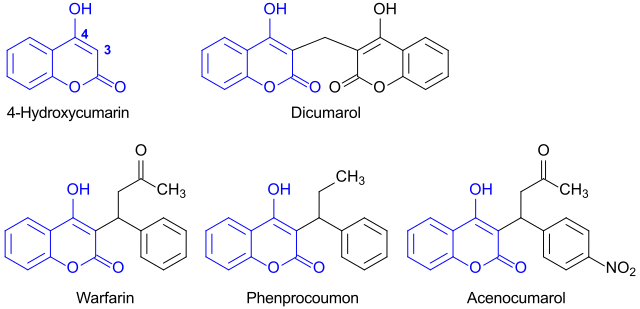
Anticoagulants are medicines that prevent the blood from clotting as quickly or as effectively as normal. Some people call anticoagulants blood thinners. However, the blood is not actually made any thinner - it just does not clot so easily whilst you take an anticoagulant. Anticoagulants are used to treat and prevent blood clots forming in blood vessels, such as in arteries or veins.
by Dr Doug McKechnie, MRCGP
Treatment and medication
Alpha-blockers
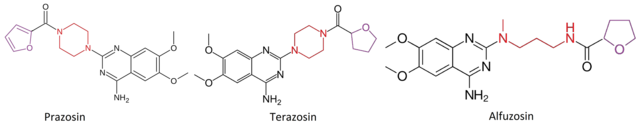
Alpha-blockers are medicines that are mainly used to treat high blood pressure (hypertension) and problems with passing urine in men who have enlargement of the prostate gland. Prostate gland enlargement is also called benign prostatic hyperplasia (BPH).
by Dr Doug McKechnie, MRCGP
Frequently asked questions
If I am already on low-dose aspirin, what painkiller can I take for a headache?
If you are taking low-dose aspirin to prevent blood clots and you need pain relief, it is best to take paracetamol rather than a higher dose of aspirin.
What should I do if I experience side-effects from low-dose aspirin, especially related to stomach bleeding?
If you develop upper stomach pains, pass blood or black stools, or vomit blood, you should stop taking aspirin immediately. It is important to see your doctor as soon as possible or go to the nearest casualty department. Your doctor may then discuss alternative antiplatelet medicines like clopidogrel, or prescribe a medicine to protect your stomach lining.
Could aspirin make my asthma worse?
Yes, aspirin can occasionally make breathing symptoms worse for people who have asthma.
Is it true that aspirin can help prevent cancer?
Studies suggest that for people who have cancer and take daily aspirin, there may be a reduction in deaths from cancer and other causes. Aspirin may also reduce the likelihood of cancer spreading. Currently, NHS guidelines recommend daily aspirin for people with Lynch syndrome, which increases cancer risk, but not for the general population. It's important to remember that this benefit is based on statistics for a group of people, and the individual outcome can vary, with risks needing to be balanced against benefits.
Are there other medicines similar to aspirin that prevent blood clots?
Yes, there are other antiplatelet medicines that work in similar ways to reduce the stickiness of platelets and prevent blood clots. These include clopidogrel, prasugrel, dipyridamole, and ticagrelor. The specific choice of drug depends on your medical history and the type of cardiovascular event you have experienced.
Further reading and references
- Clopidogrel and modified-release dipyridamole for the prevention of occlusive vascular events; NICE Technology appraisal guidance, December 2010
- Li P, Wu H, Zhang H, et al; Aspirin use after diagnosis but not prediagnosis improves established colorectal cancer survival: a meta-analysis. Gut. 2015 Sep;64(9):1419-25. doi: 10.1136/gutjnl-2014-308260. Epub 2014 Sep 19.
- Prasugrel with percutaneous coronary intervention for treating acute coronary syndromes, NICE Technology Appraisal Guidance, July 2014
- Elwood PC, Morgan G, Delon C, et al; Aspirin and cancer survival: a systematic review and meta-analyses of 118 observational studies of aspirin and 18 cancers. Ecancermedicalscience. 2021 Jul 2;15:1258. doi: 10.3332/ecancer.2021.1258. eCollection 2021.
- Elwood P, Morgan G, Watkins J, et al; Aspirin and cancer treatment: systematic reviews and meta-analyses of evidence: for and against. Br J Cancer. 2024 Jan;130(1):3-8. doi: 10.1038/s41416-023-02506-5. Epub 2023 Nov 29.
- NICE Lynch syndrome: should I take aspirin to reduce my chance of getting bowel cancer? Patient decision aid
- Antiplatelet treatment; NICE CKS, July 2022 (UK access only)
About the authorView full bio

Dr Toni Hazell, FRCGP
MBBS, BSc, FRCGP, DFSRH, Dip GU med, DRCOG, DCH (London, UK, 2000)
Dr. Toni Hazell qualified from St. Mary’s Hospital Medical School and did her VTS at Northwick Park Hospital.
About the reviewerView full bio

Dr Rosalyn Adleman, MRCGP
MRCGP
Dr Rosalyn Adleman, is an NHS GP working in north London.
Article history
Article also available in English, German, Spanish, French, Italian, Portuguese, Hindi, Hebrew, Arabic, and Swedish.
Next review due: 29 Jul 2027
30 Jul 2024 | Latest version
Join the conversation
Share your thoughts or experiences with others in our patient communities.

Ask, share, connect.
Browse discussions, ask questions, and share experiences across hundreds of health topics.

Feeling unwell?
Assess your symptoms online for free
Sign up to the Patient newsletter
Your weekly dose of clear, trustworthy health advice - written to help you feel informed, confident and in control.
By subscribing you accept our Privacy Policy. You can unsubscribe at any time. We never sell your data.
More in treatment and medication
- Antithyroid medicines
- Chemotherapy
- Cholera vaccine
- Extended-spectrum beta-lactamases
- Generic medicines vs brand names
- Hepatitis A vaccine
- Hormone replacement therapy (HRT)
- Liquid nitrogen treatment
- Medical cannabis in palliative care
- Medication-overuse headache
- Medicines to keep at home
- Meningococcal vaccine for meningitis
- Mucolytics
- Nitrate medication
- Osteopaths and chiropractors
- Peripheral vasodilators
- Proton pump inhibitors
- Shockwave therapy
- Sleeping tablets
- Tetanus and the tetanus vaccine