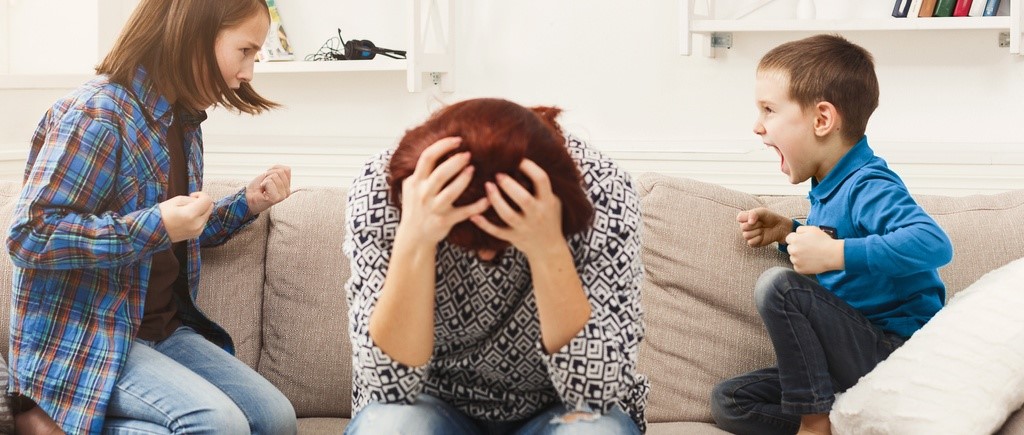
How to be a calm parent when you're stressed
Peer reviewed by Dr Krishna Vakharia, MRCGPAuthored by Lydia SmithOriginally published 1 Feb 2023
Meets Patient’s editorial guidelines
- DownloadDownload
- Share
- Language
- Discussion
- Audio Version
- Add to preferred sources on Google
Being a parent can be testing. When you’re sleep deprived, it's difficult to balance your own needs with those of a child who won't eat their breakfast or get ready for school. Even the most laid back Mums and Dads can feel their stress levels rising - so how can you help yourself to stay calm during trying times?
Mental health support for adults and children
Online CBT and psychological therapy for adults and children aged 8–17. Onebright’s accredited clinicians support people experiencing anxiety, depression and other emotional challenges.
Why staying calm benefits parents and children
Staying calm can be easier said than done. Everyone gets angry sometimes and it's only natural for your frustrations to boil over, especially if you're juggling childcare responsibilities with work. However, staying cool has many benefits.
Firstly, it demonstrates to your child that you may be angry yet you still remain within your 'window of tolerance' - a space where you can manage your emotions, says Counselling Directory member Claire Elmes.
"This teaches kids to safely navigate intense emotions," Elmes explains. "When we aren't calm as parents, we aren't reasonable, and we might frequently join them in what feels like a game of emotional tennis. We go backwards and forwards, resulting in even more rage and not being in control of our emotions."
Getting angry also enables transference to occur, which is where our emotional states are passed on to those around us1. Children are perceptive and pick up on parents' emotions, even if they don't understand the context.
"Children are like sponges, soaking up our emotions. If we are calm, they are likely to be calmer," says Elmes.
When we get upset, it affects our ability to make rational decisions. This is because the part of the brain involved in emotional processing - the amygdala - responds to an event such as an argument and triggers a chain reaction that hinders our ability to think straight.
"Staying calm permits us to remain in our parasympathetic nervous system, which relaxes our body after period of stress and allows us to access the logical half of our brain," says Elmes. “When we are upset, we are in a state of fight, flight or freeze and are unable to think logically. It enables us to be empathic and figure out how to address the problem much faster.”
If we manage to remain cool - or relatively cool - it helps to promote calmer behaviour in your children. "This is because your children will remember the incident and relate your calm response with a win-win situation, motivating them to behave better," says Elmes.
What to do when you are stressed
Different strategies work for different parents, but there are a number of ways to try and stay calm when things are demanding.
Take time away
If possible, it can help to give yourself a five-minute break. "Go and make a cup of tea or get a glass of water," says Elmes. "A quick visualisation can help when doing this. Create a happy, calm, special place you go to in your mind. Practise going there when you are not stressed initially and then take yourself there when you are stressed."
Check your breathing
Deep breathing can also help us to relax too. "Take some deep breaths from your stomach. This shifts us into our rest and recovery system and switches off the stress responses," says Elmes.
Think about why your child is acting a certain way
It's also important to remember that children don't think like adults because their brains are immature. Their ability to think, reason and regulate their emotions develops over time, meaning your child may still be harnessing these skills and abilities. It can be helpful to remember this if they're playing up2.
"If your child is not in control of their emotions, stop trying to rationalise and engage in whatever is causing their distress," says Elmes. "They are not able to access logical thinking so you will be going around in circles or escalating arguments."
Make time for yourself
It's not easy to find time to relax when you're a parent. However, self-care is key to reducing overall stress, which will help you stay calm in stressful situations. This might mean going for a coffee on your own, meeting friends, going to an exercise class or reading a book in the bath without distractions. It can also help to pinpoint what is stressing you out so you can make changes. For example, if you frequently answer work emails after hours.
Further reading
Patient picks for Stress management

Mental health
Can exercise help you feel less stressed?
Most people are aware of the wisdom that exercise helps stress - but, too often, pressuring yourself to exercise can become a source of stress in itself. Here's how to get past that barrier.
by Abi Millar

Mental health
Can watching horror films reduce stress?
When we think of relaxing activities, settling down to watch a film about a serial killer stalking a victim with an axe probably isn't what comes to mind. Despite this, lots of us love watching horror films - and although it sounds counterintuitive, some people even find these help to reduce stress.
by Lydia Smith
About the authorView full bio

Lydia Smith
Feature writer
BA, MA, MSc
Lydia Smith is an award-winning journalist and feature writer who has written extensively on women's health and mental health. She is currently studying for an MSc in psychology.
About the reviewerView full bio

Dr Krishna Vakharia, MRCGP
Chief Medical Officer for Health, Optum UK
MBChB, MRCGP(2013), BMedSci (hons), DFSRH, DRCOG, PGDipDerm (Distn)
Dr Krishna Vakharia is an NHS GP. She is also a regular examiner for the postgraduate Diploma in Practical Dermatology at Cardiff University as well as being the Chief Medical Officer for health at Optum UK.
Article history
Article also available in English, German, Spanish, French, Italian, Portuguese, Hindi, Hebrew, Arabic, and Swedish.
1 Feb 2023 | Originally published
Authored by:
Lydia SmithPeer reviewed by
Dr Krishna Vakharia, MRCGP
Join the conversation
Share your thoughts or experiences with others in our patient communities.

Ask, share, connect.
Browse discussions, ask questions, and share experiences across hundreds of health topics.

Feeling unwell?
Assess your symptoms online for free
Sign up to the Patient newsletter
Your weekly dose of clear, trustworthy health advice - written to help you feel informed, confident and in control.
By subscribing you accept our Privacy Policy. You can unsubscribe at any time. We never sell your data.
More in mental health
- Breaking the stigma of mental health
- Can rage rooms help you de-stress?
- NewCraving some cosy? The science of autumn nesting
- Diabetes burnout - how mindfulness can support your mental wellbeing
- Diapression: unravelling the link between diabetes and depression
- Do beta blockers help with anxiety symptoms?
- Does stress cause weight gain?
- Does the moon really affect us?
- Facing your fear of the doctor: tips for easing medical anxiety
- How to avoid stress over Christmas and the New Year
- How to help your child cope with exam stress
- How to support someone with depression
- How to talk to people about your mental health
- Is ASMR the secret to sensory bliss?
- NewJaw arthritis - the signs to look out for and how to protect your jaw
- Let’s talk about dating app burnout
- Pearson syndrome: how one family learned to live in the present
- What is cortisol belly? Why stress could be making it harder to lose belly fat
- What is forest bathing and can it improve your health?
- Why a Christmas movie can make us feel good