Por qué las vacunas son tan importantes
Revisado por pares por Dr Colin Tidy, MRCGPÚltima actualización por Dra. Sarah JarvisÚltima actualización 7 Feb 2019
Cumple con las directrices editoriales
- DescargarDescargar
- Compartir
- Language
- Discusión
- Versión en audio
- Agregar a fuentes preferidas en Google
Junto con el agua potable, las inmunizaciones han hecho más para prevenir la muerte infantil que cualquier otro avance en salud pública, pero no son solo para bebés. Hay vacunas para protegerte contra las infecciones más peligrosas a cualquier edad.
Vacunas para viajar
Como regla general, si viajas a cualquier lugar fuera de Europa Occidental, EE. UU. o Australasia, verifica si necesitas vacunas de viaje. Viajar a lugares remotos puede ser increíblemente emocionante y gratificante, pero también puede exponerte a enfermedades que son menos probables en casa.
Estas incluyen:
Enfermedades transmitidas por insectos como malaria, dengue, fiebre amarilla y Virus del Zika.
Enfermedades adquiridas por comer y beber, como la hepatitis A y la diarrea del viajero.
Enfermedades adquiridas de otras personas o condiciones de mala higiene, como la hepatitis B y el virus del Ébola.
Enfermedades adquiridas directamente de los animales, como la rabia.
Recuerda, los cursos de vacunación deben planificarse con mucha antelación. Algunas vacunas implican un curso de inyecciones a intervalos especificados. Y algunas vacunas no pueden administrarse juntas.
Tétanos
Solo una vez he visto un caso de tétanos, a veces llamado trismo, en 30 años como médico. Eso no es porque el riesgo haya desaparecido: el germen que causa el tétanos se encuentra comúnmente en el suelo y puede entrar en tu cuerpo a través de cortes en la piel. Es la inmunización lo que evita que sea un temor diario. A cada niño nacido hoy se le ofrece un curso completo de inmunización contra el tétanos: tres inyecciones en su primer año, un refuerzo preescolar a los 3½ años y un refuerzo en la adolescencia a los 14.
Recibir las cinco inmunizaciones debería ofrecer una buena protección, pero en algunas situaciones se te puede ofrecer un refuerzo. Si viajas a un país extranjero con instalaciones médicas limitadas, y tu último refuerzo fue hace más de 10 años, tu enfermera de práctica (o algunos farmacéuticos) pueden ofrecerte una vacunación de refuerzo. Del mismo modo, si tienes una herida profunda o si ha entrado suciedad en un corte, se te puede ofrecer un refuerzo en urgencias si tu último refuerzo fue hace más de una década.
Meningitis
A todos los bebés se les ofrece ahora la inmunización contra Men B, el germen que causa la mayoría de los casos de meningococo meningitis y envenenamiento de la sangre. Desde 2013, se ha ofrecido a los adolescentes una vacuna que ofrece protección contra Men A, C, W y Y. Esto se debe a que hay un aumento en los casos de meningitis entre los adolescentes mayores.
Si no lo tenían a los 14, asegúrate los estudiantes universitarios están protegidos.
Tos ferina
Tos ferina, o tos ferina, causa una tos miserable en adultos que puede durar meses, pero rara vez causa complicaciones serias. En los bebés, sin embargo, puede ser muy grave e incluso fatal.
A todos los bebés se les ofrece la inmunización contra la tos ferina a los 2, 3 y 4 meses, pero son vulnerables a contraerla hasta que hayan recibido todas sus inyecciones. En los últimos años ha habido más casos de tos ferina en el Reino Unido (tiende a pasar por ciclos con picos cada pocos años). Como resultado, a todas las mujeres embarazadas se les ofrece ahora la inmunización entre las 20 y 32 semanas de embarazo.
La vacuna es completamente segura para tu bebé: no incluye ningún germen vivo en absoluto. En su lugar, contiene partes purificadas del germen que permiten a tu cuerpo reconocer un enemigo y crear anticuerpos específicos adaptados al germen de la tos ferina. Estos anticuerpos pasan a través de la placenta a tu bebé, proporcionándole inmunidad 'pasiva'. Esto es suficiente para protegerlo hasta que tenga la oportunidad de ser inmunizado por sí mismo.
Herpes zóster
Herpes zóster es causado por el mismo virus que conduce a virus de la varicela. No "contagias" el herpes zóster: después de haber tenido varicela, el virus permanece en tu sistema nervioso de por vida. Está inactivo hasta que se reactiva, posiblemente cuando tu sistema inmunológico está más débil (quizás debido al estrés, el envejecimiento o la toma de medicamentos que afectan tu sistema inmunológico). El herpes zóster causa una erupción dolorosa en una franja alrededor de un lado de tu tronco o cara. La erupción se resuelve en unas pocas semanas, pero puedes quedar con un dolor nervioso angustiante.
A medida que envejeces, tu capacidad para combatir el virus del herpes zóster disminuye, por lo que la vacuna está disponible en el NHS para personas mayores de 70 años. En este momento, se está llevando a cabo un programa de implementación por fases para asegurar que todos entre 70 y 80 años estén cubiertos. Una vez que esto se complete, se ofrecerá la vacuna contra el herpes zóster a todos alrededor de su 70 cumpleaños. Si estás en tus 70, tu farmacéutico puede aconsejarte si eres elegible.
Gripe
Tener otras condiciones de salud a largo plazo como problemas cardíacos, pulmonares, renales o hepáticos, o diabetes tipo 2, también puede dificultar la lucha contra las infecciones. Si tienes alguna de estas condiciones, o tienes más de 65 años, se te debería ofrecer un vacuna anual contra la gripe. Esto se debe a que las personas en estos grupos tienen un mayor riesgo de sufrir complicaciones graves como neumonía.
Muchas personas que no están en grupos de riesgo aún quieren estar protegidas - aunque la mayoría de las personas sanas se recuperarán completamente en una o dos semanas, tener gripe no es divertido para nadie, especialmente si no puedes permitirte estar enfermo debido a tu trabajo u otros compromisos. Aún puedes vacunarte - habla con tu farmacéutico, quien puede administrarte una de manera privada.
Vacunación neumocócica
Las personas con alto riesgo de gripe también son más propensas a sufrir complicaciones graves por un germen llamado 'Strep pneumoniae'. Puedes obtener un vacuna neumocócica, que protege contra la neumonía, meningitis y envenenamiento de la sangre que puede causar. La mayoría de las personas solo necesitan una inmunización para protegerse de por vida, aunque si tienes ciertas condiciones de salud, es posible que necesites un refuerzo cada cinco años.
La prevención efectiva depende de que todos (o casi todos) sean inmunes - ¡por favor, anima a tu familia a protegerse!
Selecciones del paciente para Vacunas
Infecciones
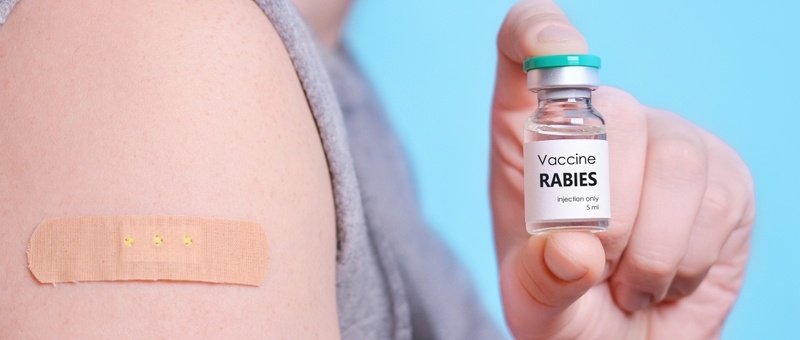
Todo lo que necesitas saber sobre la vacuna contra la rabia
Si viajas al extranjero, las vacunas de viaje contra algunas enfermedades son obligatorias. Sin embargo, hay una enfermedad que suele ser fatal sin tratamiento inmediato y para la cual una vacuna previa al viaje no es obligatoria: la rabia.
por Glynis Kozma
Infecciones
Preguntamos a un médico de cabecera qué esperar después de las vacunas
Las vacunas son una forma habitual y muy efectiva de proteger a adultos y niños contra una variedad de enfermedades, y las complicaciones o efectos secundarios son raros. Consultamos a un médico de cabecera para obtener consejos sobre qué esperar después de las vacunas.
por Julian Turner
Preguntas frecuentes
¿Cuál es la diferencia clave entre las enfermedades adquiridas por comer/beber y las causadas por mala higiene?
Las enfermedades adquiridas al comer y beber, como la hepatitis A y la diarrea del viajero, generalmente resultan de consumir alimentos o agua contaminados. Las enfermedades relacionadas con la mala higiene, como la hepatitis B y el virus del Ébola, a menudo se propagan a través del contacto directo con fluidos corporales infectados o ambientes contaminados.
¿Por qué algunas vacunas no se pueden administrar simultáneamente?
Algunas vacunas no pueden administrarse juntas porque pueden interferir con la efectividad de la otra o podrían aumentar la probabilidad de efectos secundarios si se administran al mismo tiempo. Por eso se necesita una planificación cuidadosa para los cursos de vacunación, especialmente para viajar.
¿Pueden los adultos recibir la vacuna contra la meningitis si no la recibieron de adolescentes?
Sí, si los estudiantes universitarios o los adultos jóvenes no recibieron su vacuna Men A, C, W e Y a los 14 años, aún deben protegerse. Esto es particularmente importante para este grupo de edad debido a un aumento registrado en los casos de meningitis entre los adolescentes mayores.
¿Cómo protege al bebé la vacuna contra la tos ferina administrada durante el embarazo?
La vacuna contra la tos ferina administrada a mujeres embarazadas funciona estimulando el cuerpo de la madre para crear anticuerpos específicos contra el germen de la pertussis. Estos anticuerpos protectores luego pasan a través de la placenta al bebé, proporcionándole 'inmunidad pasiva' hasta que tenga la edad suficiente para recibir sus propias inmunizaciones.
Si he tenido varicela, ¿eso significa que soy inmune al herpes zóster?
Haber tenido varicela significa que el virus permanece latente en tu sistema nervioso de por vida. El herpes zóster es causado por la reactivación de este mismo virus, generalmente cuando tu sistema inmunológico está más débil debido a factores como el estrés, la edad o ciertos medicamentos. Por lo tanto, haber tenido varicela no otorga inmunidad al herpes zóster; es un requisito previo para desarrollarlo.
Si no estoy en un grupo de alto riesgo, ¿puedo aún recibir la vacuna contra la gripe?
Sí, si no estás en un grupo de alto riesgo pero aún deseas estar protegido contra la gripe (por ejemplo, debido al trabajo u otros compromisos que hacen que enfermarse sea inconveniente), aún puedes recibir una vacuna. Debes hablar con tu farmacéutico, quien puede administrártela de manera privada.
¿Quién necesita un refuerzo para la vacuna neumocócica y con qué frecuencia?
Mientras que la mayoría de las personas solo necesitan una inmunización neumocócica para protección de por vida, aquellas con condiciones de salud particulares pueden requerir un refuerzo cada cinco años. Esto es para asegurar una protección continua contra complicaciones graves como la neumonía, la meningitis y la septicemia causadas por 'Strep pneumoniae'.
Sobre el autorVer biografía completa

Dra. Sarah Jarvis
Consultora Clínica
MA (Cantab), BM, BCh (Oxon), DRCOG, FRCGP, MBE
Después de formarse en medicina en Cambridge y Oxford, la Dra. Sarah Jarvis MBE se convirtió en médica general.
Acerca del revisorVer biografía completa

Dr Colin Tidy, MRCGP
Médico General, Autor Médico
MBBS, MRCGP, MRCP (Paediatrics), DCH
El Dr. Colin Tidy es un médico del NHS, con sede en Oxfordshire.
Historial del artículo
La información en esta página es revisada por pares por clínicos calificados.
Artículo también disponible en Inglés, Alemán, Español, Francés, Italiano, Portugués, Hindi, Hebreo, Árabe, y Sueco.
7 Feb 2019 | Última versión
7 Feb 2019 | Publicado originalmente

Pregunta, comparte, conecta.
Navega por discusiones, haz preguntas y comparte experiencias en cientos de temas de salud.

¿Te sientes mal?
Evalúa tus síntomas en línea de forma gratuita
Suscríbete al boletín de Patient
Tu dosis semanal de consejos de salud claros y confiables, escritos para ayudarte a sentirte informado, seguro y en control.
Al suscribirte aceptas nuestros Política de Privacidad. Puedes darte de baja en cualquier momento. Nunca vendemos tus datos.
Más en infecciones
- Una vacuna contra la clamidia ha pasado las pruebas iniciales de seguridad
- ¿Puede un farmacéutico recetar antibióticos?
- ¿Puedo ponerme la vacuna contra la gripe si ...?
- ¿La vacuna contra la gripe te hace inmune a la gripe?
- Vacuna gratuita contra la varicela se ofrecerá a los niños en Inglaterra por primera vez
- Cistitis de luna de miel: qué es y cómo evitarla
- Cómo evitar las picaduras de garrapatas y la enfermedad de Lyme
- Cómo protegerse del herpes zóster
- Cómo tratar un piercing infectado
- Se insta a los padres a vacunar a sus hijos ya que el Reino Unido pierde el estatus de libre de sarampión
- Mitos sobre el herpes zóster que deberías dejar de creer
- Los casos de enfermedad de Lyme en el Reino Unido podrían ser tres veces más altos de lo estimado
- Mitos sobre las vacunas que debes dejar de creer
- Qué hacer si piensas que tienes una ETS
- Qué hacer si crees que has estado expuesto a la meningitis
- ¿Cuándo debo vacunarme contra la gripe?
- ¿Por qué los niños necesitan la vacuna contra la gripe?
- ¿Por qué algunas personas tienen resfriados peores que otras?
- ¿Por qué me han ofrecido la vacuna contra el herpes zóster?
- ¿Por qué no me recetaron antibióticos?