
Video: ¿Cómo sabes que estás pasando por la menopausia?
Revisado por pares por Dr Krishna Vakharia, MRCGPÚltima actualización por Lydia SmithÚltima actualización 18 de mayo de 2023
Cumple con las directrices editoriales
- DescargarDescargar
- Compartir
- Language
- Discusión
- Versión en audio
- Agregar a fuentes preferidas en Google
El menopausia happens to every woman, but not necessarily in the same way. Our experts have answers to all the important questions, whatever stage you're at and whatever symptoms you're experiencing.
¡Inscríbete en nuestro curso gratuito de Menopausia de 10 semanas!
Cada semana, exploraremos diferentes temas para ayudarte a comprender y navegar mejor tu viaje menopáusico, incluyendo TRH, dieta, ejercicio y salud mental.
Al suscribirte aceptas nuestros Política de Privacidad. Puedes darte de baja en cualquier momento. Nunca vendemos tus datos.
Lista de reproducción: Menopause Q&A
5 videos
¿Cómo sabes que estás pasando por la menopausia?
Dra. Sarah Jarvis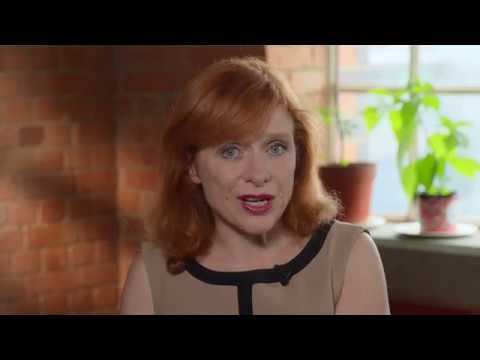
¿Cómo sabes que estás pasando por la menopausia?
Dr. Sarah Jarvis

¿Qué es la perimenopausia?
Dr. Sarah Jarvis

¿Necesito un análisis de sangre para diagnosticar la menopausia?
Dr. Sarah Jarvis

¿Afecta la menopausia tu vida sexual?
Dr. Sarah Jarvis
¿Es seguro tomar terapia hormonal?
Dr. Sarah Jarvis
¿Cómo sabes que estás pasando por la menopausia?
The word for menopause comes from the Greek Menos Pausos or periods have paused or rather stopped. So the last day of your last period is the day technically you go through the menopause. But of course you don't know until a year later that was your last period. In the years coming up to the menopause you can start getting more períodos irregulares and you can start getting the symptoms of the menopause.
So hot flashes, mood swings, sometimes low mood even depresión, vaginal dryness and so on. Some women go through all these without even noticing; they sail through it- menopause. For some women those menopausal symptoms can be really debilitating. The answer is technically you won't know until a year after your period stopped that you are menopausal because until then we say that it will be normal for you to have another period. But those hot flashes might give you a very good idea.
¿Qué es la perimenopausia?
Every woman knows about the menopause but most women assume it just sort of happens. In fact sometimes it can creep up on you and sometimes it can reach up and start grabbing you. The perimenopausia is the years running up to the menopause. The menopause technically is the day of your last period although we don't know that that's happened until a year later. The average age of menopause is about 52 and the perimenopause lasts about 4 years on average.
So most women start going through it in about their late forties, however, it can last up to a decade. What's happening around the perimenopause is the oestrogen levels are gradually dropping. So, your periods become less regular, they may become more erratic, and they may well become heavier. You may start to get hot flashes and sudores nocturnos, you may get vaginal dryness, mood swings and depressed mood. A small proportion of women in their perimenopause get really bad symptoms, so bad that they need, for instance, HRT to relieve their symptoms. The good news is, it doesn't go on forever.
¿Necesito un análisis de sangre para diagnosticar la menopausia?
NICE-The National Institute for Health and Care Excellence says that if you are over 45 and you have menopausal symptoms including your periods stopping then your doctor can diagnose menopause without needing to do any blood tests at all.
If you are under the age of 40 and your periods stop, especially, if you have hot flashes and so on as well then your doctor should be doing 2 FSH blood tests separated in time, that's Follicle Simulating Hormone, to see if you are going through the menopause. Between the ages of 40 and 45, it slightly depends on your personal circumstances. But there is no point in doing that blood test if you are taking the combined oral contraceptive pill or a high dose progesterone contraception.
¿Afecta la menopausia tu vida sexual?
There are lots of ways in which the menopause could have an impact on your sex life. First of all, you could suffer from vaginal dryness that’s caused by low estrogen levels can cause soreness, pain during sex as well as urine infections and vaginal infections.
Secondly, you can get a lot of hot flashes during the menopause which may interfere with your sleep, especially, if you are having night sweats too and being tired is never a great recipe for wanting to get cosy.
Thirdly, menopause can have an impact to your mood; you can get mood swings and possibly depression as a result of the menopause. And finally, yes, we think that the menopause or the changes in the hormones around the menopause may have a direct effect on your sex drive as well. However, if you talk to your doctor about how you can improve things say, if you got vaginal dryness and say you couldn’t stop yourself from suffering some of the physical consequences of menopause you may be able to get on track.
¿Es seguro tomar terapia hormonal?
Very much depends on what you mean by safe. Doctors don’t talk about safe, we talk about relative risks and benefits. Now we know on the one hand that the HRT is the most effective way of relieving hot flashes which can have a terrible impact on some women’s life around the menopause. But we also know it can increase your risk of cáncer de mama. However, we know lots more than we did few years ago.
So, for instance, taking HRT does not increase your risk of ataques cardíacos, especially, if you take it around the time of the menopause. It can protect you against osteoporosis or thinning of the bones in later life. There may be an increased risk of ovarian cancer but it’s a very small increase in real terms. Taking oestrogen only HRT which only women who have had hysterectomy can take results in little or no increased risk of breast cancer but there is an increased risk of breast cancer if you take combined HRT.
However, that depends on the type of HRT and how long you take it for and once you’ve stopped taking it your risk does return back to normal. So, the evidence is there, it’s up to you to weigh up the risks and the benefits.
Selecciones del paciente para Menopausia y TRH

Hormonas
¿Qué es la depresión posmenopáusica?
It's all change in your fifties. The kids have fled the nest, you're starting to make plans for retirement, and chances are if you're a woman you're also going through the menopause. All too often, it's also a time when mood swings and depression strike for females. How can women know whether it's 'just' the menopause or something more?
por la Dra. Sarah Jarvis
Hormonas
Por qué salir al aire libre puede ayudarte durante la menopausia
Salir al aire libre, respirar aire fresco, moverse y disfrutar de la naturaleza es una excelente manera de mejorar tu bienestar. También puede ayudar a aliviar los síntomas de la menopausia. Sigue leyendo para descubrir por qué ayuda y qué puedes hacer para aprovecharlo al máximo.
por Lawrence Higgins
Sobre el autorVer biografía completa

Dra. Sarah Jarvis
Consultora Clínica
MA (Cantab), BM, BCh (Oxon), DRCOG, FRCGP, MBE
Después de formarse en medicina en Cambridge y Oxford, la Dra. Sarah Jarvis MBE se convirtió en médica general.
Acerca del revisorVer biografía completa

Dr Krishna Vakharia, MRCGP
Director Médico de Salud, Optum UK
MBChB, MRCGP(2013), BMedSci (hons), DFSRH, DRCOG, PGDipDerm (Distn)
La Dra. Krishna Vakharia es una médica general del NHS. También es examinadora habitual del Diploma de Posgrado en Dermatología Práctica en la Universidad de Cardiff, además de ser la Directora Médica de salud en Optum UK.
Historial del artículo
La información en esta página es revisada por pares por clínicos calificados.
Artículo también disponible en Inglés, Alemán, Español, Francés, Italiano, Portugués, Hindi, Hebreo, Árabe, y Sueco.
Next review due: 18 May 2026
18 de mayo de 2023 | Última versión
28 Dic 2017 | Publicado originalmente
Escrito por:
Dra. Sarah Jarvis

Pregunta, comparte, conecta.
Navega por discusiones, haz preguntas y comparte experiencias en cientos de temas de salud.

¿Te sientes mal?
Evalúa tus síntomas en línea de forma gratuita
Suscríbete al boletín de Patient
Tu dosis semanal de consejos de salud claros y confiables, escritos para ayudarte a sentirte informado, seguro y en control.
Al suscribirte aceptas nuestros Política de Privacidad. Puedes darte de baja en cualquier momento. Nunca vendemos tus datos.
Más sobre hormonas
- 9 signos de baja testosterona en hombres
- ¿Estás pasando por la perimenopausia?
- Signos comunes de un desequilibrio hormonal
- Cómo afecta el hipotiroidismo a la fertilidad
- ¿Cómo puedes prevenir la osteoporosis durante la menopausia?
- Cómo aliviar los síntomas de la perimenopausia
- Cómo reducir los niveles de cortisol: 10 formas comprobadas
- Cómo apoyar a alguien durante la menopausia
- Viviendo con TRH
- Menopausia y ejercicio
- ¿Deberías preocuparte por el sangrado posmenopáusico?
- El problema con las 'hormonas bioidénticas' para la menopausia
- Video: ¿Cuánto afecta el SOP a la fertilidad?
- ¿Cuáles son las señales de que la TRH ya no está funcionando?
- ¿Qué causa el mareo durante la menopausia y cómo puedes manejarlo?
- ¿Qué es la depresión posmenopáusica?
- Cómo es pasar por la menopausia cuando tienes VIH
- Lo que necesitas saber sobre la testosterona y la menopausia
- ¿Qué hay detrás de la escasez de THS en el Reino Unido?
- ¿Será pronto gratuita la TRH para la menopausia sin receta?