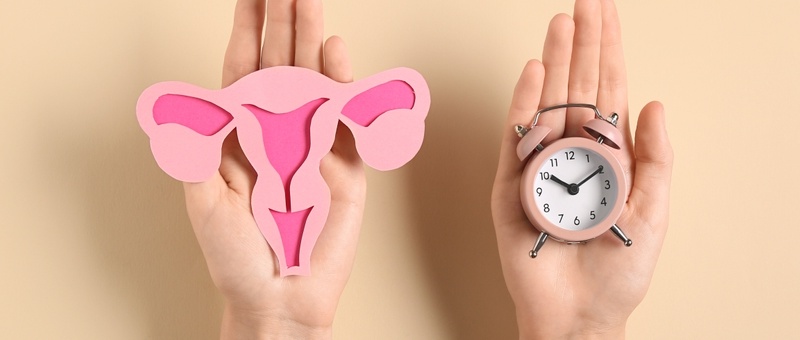
La verdad sobre el SOP y la menopausia
Revisado por pares por Dr Colin Tidy, MRCGPEscrito por Victoria RawPublicado originalmente 27 de marzo de 2026
Cumple con las directrices editoriales
- DescargarDescargar
- Compartir
- Language
- Discusión
- Versión en audio
- Agregar a fuentes preferidas en Google
PCOS is a health condition primarily driven by hormonal imbalances. If you have PCOS, these hormones can have a major impact on your daily life and wellbeing. But what happens when you add the hormonal shifts of perimenopause and menopause into the mix?
In this article, we explore how these life-stage changes influence PCOS and what people can expect as they move through menopause.
¡Inscríbete en nuestro curso gratuito de Menopausia de 10 semanas!
Cada semana, exploraremos diferentes temas para ayudarte a comprender y navegar mejor tu viaje menopáusico, incluyendo TRH, dieta, ejercicio y salud mental.
Al suscribirte aceptas nuestros Política de Privacidad. Puedes darte de baja en cualquier momento. Nunca vendemos tus datos.
Understanding PCOS as a long-term condition
Polycystic ovary syndrome (PCOS) is a hormonal disorder that’s often thought of as just a reproductive condition. While it does affect people with ovaries - mainly by disrupting ovulation and causing irregular periods - it’s actually a complex endocrine condition that can influence many aspects of your health, from metabolism to mood.
Dr Daniel Atkinson, Clinical Lead at Treated, in Greater Manchester, UK, explains that SOP is characterised by complex hormonal imbalances, including high testosterone levels and insulin resistance.
“While these issues affect fertilidad, they can also affect life in other ways,” he says. “For example, many people with PCOS have a higher chance of developing cardiovascular diseases and type 2 diabetes. So saying it’s only a ‘reproductive condition’ is a bit of an understatement.”
Atkinson also points out that people with PCOS often go through menopausia a few years later than average. That’s likely because they tend to have a higher ovarian reserve, as irregular ovulation means fewer eggs are released over time.
How does PCOS affect perimenopause symptoms?
Androgens are hormones produced by both men and women. The main androgen linked to PCOS is testosterone. Although it’s often thought of as a ‘male’ hormone, women produce it too - just in smaller amounts.
People with PCOS tend to have higher-than-average levels of androgens. These elevated hormone levels can interfere with ovulation, meaning the ovaries don’t release eggs as regularly as they should. As a result, periods can become irregular or stop altogether.
Durante perimenopausia, hormone levels begin to shift and decline - particularly oestrogen and progesterone. Androgen levels, including testosterone, also naturally decrease with age, but they are not linked to perimenopause in the same direct way as oestrogen.
Because PCOS is associated with above-normal androgen levels, this gradual decline may actually have an unexpected effect. As Atkinson explains, some people with PCOS find that their menstrual cycles become more regular during perimenopause, as falling androgen levels can make ovulation more consistent than it was in their younger years.
“High androgen levels interfere with the maturation of follicles in the ovaries, which prevents ovulation,” he says. “When androgen levels are low, periods become more regular. So people with PCOS often experience a more regular period and may reach menopause later in life.”
Atkinson explains that many perimenopause symptoms occur regardless of whether someone has PCOS. These include night sweats, hot flushes, insomnia, and brain fog.
“Common PCOS symptoms such as hirsutism, acne, and thinning hair may start to improve during perimenopause as androgen levels gradually decrease,” he adds. “But not all people with PCOS will notice this improvement.”
How perimenopause impacts the PCOS body
Algunos symptoms of perimenopause - particularly weight gain and mood changes - can be more severe in people with PCOS due to underlying insulin resistance and hormonal imbalances. In some cases, the condition can even worsen after menopause, potentially contributing to long-term inflammation, additional weight gain, and higher cholesterol levels.
Atkinson explains that this is largely due to persistently high testosterone levels, which are linked to these conditions, combined with falling oestrogen levels that reduce some of your body’s natural cardioprotective effects. As a result, people with PCOS may have a higher chance of cardiovascular disease, endometrial cancer, and other health issues.
During perimenopause, oestrogen levels decline significantly, while androgen levels usually decrease gradually. But in people with PCOS, androgen levels can still be disproportionately high after menopause. So while reduced oestrogen worsens insulin sensitivity and increases fat accumulation, at the same time, higher androgen levels in people with PCOS can contribute to insulin resistance by disrupting insulin signalling and increasing inflammation.
“Insulin resistance is a common feature of PCOS and often worsens with age and weight gain,” says Atkinson. “This creates a vicious cycle, where excess fat further worsens insulin resistance. This raises the likelihood of developing type 2 diabetes, overweight, and obesity in midlife.”
He notes that people with PCOS also have a higher chance of developing cardiovascular diseases even after menopause.
“Insulin resistance contributes to high blood pressure, elevated cholesterol levels, and long-term inflammation,” explains Atkinson. “Paired with the loss of oestrogen's cardioprotective effects during menopause, the chance of heart attacks, stroke, and diabetes increases.”
He adds that menopause can make some people more prone to mood changes, with depression and anxiety being particularly common. These effects can be amplified in those with PCOS, as the hormonal imbalances associated with the condition increase your vulnerability to mental health challenges.
Can hormone replacement therapy be personalised for PCOS?
If you have PCOS and are going through menopause, your doctor will determine which type of terapia de reemplazo hormonal (HRT) is most suitable for you.
“The type of HRT you use depends on your specific symptoms,” Atkinson says. “For example, if your menopause symptoms are localised - such as vaginal dryness - you might benefit more from an HRT gel than from other forms of treatment.”
He explains that most treatments, including HRT, are designed not only to manage symptoms but also to lower your likelihood of osteoporosis, type 2 diabetes, and cardiovascular disease.
“Weight loss medicines can be helpful for people with PCOS, as they support weight management during menopause and help improve blood sugar control,” notes Atkinson.
People with PCOS should always talk to their doctor for guidance on how to navigate menopause with PCOS - particularly when it comes to diet, lifestyle changes, and medicines. Routine monitoring should include blood pressure checks, cholesterol levels, and blood sugar testing to assess your probability of cardiovascular disease and type 2 diabetes.
“It’s also important to regularly monitor your weight and focus on maintaining a healthy BMI,” Atkinson adds. “Living well with PCOS can look different for everyone. If you maintain a healthy weight and have normal blood pressure, cholesterol, and blood sugar levels, it can help reduce your chance of developing serious illnesses.
“Achieving this is easier said than done, but with the right diet, an active lifestyle, and appropriate medicine, it’s possible.”
Atkinson concludes by emphasising that PCOS doesn’t simply disappear once your periods stop. It’s a lifelong condition that requires ongoing monitoring and care to support a healthy, good-quality life.
Selecciones del paciente para SOP
Hormonas
Dieta para SOP: Qué comer para manejar los síntomas
Polycystic Ovary Syndrome (PCOS) is a health condition that affects some women from their late teens onwards. Though PCOS is sometimes managed with medicine, its symptoms can be reduced through a combination of healthy lifestyle habits - especially your diet.
por Victoria Raw

Hormonas
8 mitos comunes sobre el SOP (Síndrome de Ovario Poliquístico)
Polycystic ovary syndrome is one of the most common yet misunderstood women's health conditions. With misinformation circulating the internet, we sort fact from fiction and explore how myths about PCOS might be harming women with this condition.
por Amberley Davis
Preguntas frecuentes
¿Puede empeorar el SOP después de la menopausia?
Sí, en algunos casos, los síntomas del SOP pueden empeorar después de la menopausia. Esto se debe en gran medida a los niveles persistentemente altos de testosterona combinados con la disminución de los niveles de estrógeno. Esta combinación puede contribuir a la inflamación a largo plazo, aumento de peso adicional y niveles más altos de colesterol, lo que potencialmente aumenta el riesgo de enfermedades cardiovasculares, cáncer de endometrio y otros problemas de salud.
¿Cuál es la relación entre el SOP, la resistencia a la insulina y el envejecimiento?
La resistencia a la insulina es una característica común del SOP y tiende a empeorar con la edad y el aumento de peso. A medida que los niveles de estrógeno disminuyen durante la perimenopausia, la sensibilidad a la insulina puede reducirse y la acumulación de grasa puede aumentar. Junto a esto, los niveles más altos de andrógenos en personas con SOP pueden contribuir aún más a la resistencia a la insulina al interrumpir la señalización de la insulina y aumentar la inflamación. Esto crea un círculo vicioso, aumentando la probabilidad de desarrollar diabetes tipo 2, sobrepeso y obesidad en la mediana edad.
¿Cómo afecta el SOP a mi riesgo de problemas cardíacos después de la menopausia?
Las personas con SOP tienen una mayor probabilidad de desarrollar enfermedades cardiovasculares incluso después de la menopausia. La resistencia a la insulina, una característica común del SOP, contribuye a la presión arterial alta, niveles elevados de colesterol e inflamación a largo plazo. Cuando se combina con la pérdida de los efectos protectores del estrógeno en el corazón durante la menopausia, aumenta el riesgo de ataques cardíacos, accidentes cerebrovasculares y diabetes.
¿El SOP afecta el estado de ánimo y la salud mental durante la menopausia?
La menopausia puede hacer que algunas personas sean más propensas a cambios de humor, incluyendo depresión y ansiedad. Para las personas con SOP, estos efectos pueden amplificarse. Los desequilibrios hormonales asociados con el SOP pueden aumentar su vulnerabilidad a los desafíos de salud mental, potencialmente haciendo que estos síntomas sean más pronunciados durante la transición menopáusica.
¿Qué tipo de seguimiento debo esperar para el SOP después de la menopausia?
El monitoreo continuo del SOP después de la menopausia debe incluir controles regulares de la presión arterial, evaluaciones de los niveles de colesterol y pruebas de azúcar en sangre. Estas pruebas ayudan a evaluar su riesgo de enfermedad cardiovascular y diabetes tipo 2. También es importante monitorear regularmente su peso y tratar de mantener un IMC saludable.
Sobre el autorVer biografía completa
Victoria Raw
Redactora de artículos
Licenciatura en Artes (Hons), Literatura Inglesa
Victoria es una redactora de contenido en Patient, cuyos intereses especiales se centran en el bienestar mental, las tendencias sociales y el impacto de la tecnología en nuestra salud.
Acerca del revisorVer biografía completa

Dr Colin Tidy, MRCGP
Médico General, Autor Médico
MBBS, MRCGP, MRCP (Paediatrics), DCH
El Dr. Colin Tidy es un médico del NHS, con sede en Oxfordshire.
Historial del artículo
La información en esta página es revisada por pares por clínicos calificados.
Artículo también disponible en Inglés, Alemán, Español, Francés, Italiano, Portugués, Hindi, Hebreo, Árabe, y Sueco.
Next review due: 27 Mar 2029
27 de marzo de 2026 | Publicado originalmente
Escrito por:
Victoria RawRevisado por pares por
Dr Colin Tidy, MRCGP

Pregunta, comparte, conecta.
Navega por discusiones, haz preguntas y comparte experiencias en cientos de temas de salud.

¿Te sientes mal?
Evalúa tus síntomas en línea de forma gratuita
Suscríbete al boletín de Patient
Tu dosis semanal de consejos de salud claros y confiables, escritos para ayudarte a sentirte informado, seguro y en control.
Al suscribirte aceptas nuestros Política de Privacidad. Puedes darte de baja en cualquier momento. Nunca vendemos tus datos.
Más sobre hormonas
- 7 maneras de aliviar el 'temor matutino' durante la perimenopausia
- 8 mitos comunes sobre el SOP (Síndrome de Ovario Poliquístico)
- 9 signos de baja testosterona en hombres
- ¿Estás pasando por la perimenopausia?
- ¿Podría tu 'temor matutino' ser un signo de perimenopausia?
- ¿Realmente funcionan los remedios herbales para la menopausia?
- ¿Necesitas un chequeo de menopausia a los 40?
- Cortisol alto: síntomas, causas y pruebas
- ¿Cómo afecta la raza al cuidado de la menopausia?
- Actualizado¿Cuánto tiempo duran los síntomas de la menopausia?
- Cómo la menopausia puede afectar a las mujeres en el trabajo
- Cómo manejar los problemas de piel durante la menopausia
- Videos sobre la menopausia
- ¿Deberías preocuparte por el sangrado posmenopáusico?
- Datos sorprendentes sobre los problemas de tiroides
- Nuevo¿Demasiadas pastillas? El preocupante aumento de la polifarmacia en mujeres de mediana edad
- Video: ¿Cuánto afecta el SOP a la fertilidad?
- ¿Qué son los EDC y por qué deberías preocuparte por ellos?
- Cómo es pasar por la menopausia cuando tienes VIH
- ¿Será pronto gratuita la TRH para la menopausia sin receta?