How remote mental health services have helped the LGBTQ+ community
Peer reviewed by Dr Krishna Vakharia, MRCGPLast updated by Amberley DavisLast updated 27 Jun 2023
Meets Patient’s editorial guidelines
- DownloadDownload
- Share
- Language
- Discussion
- Audio Version
- Add to preferred sources on Google
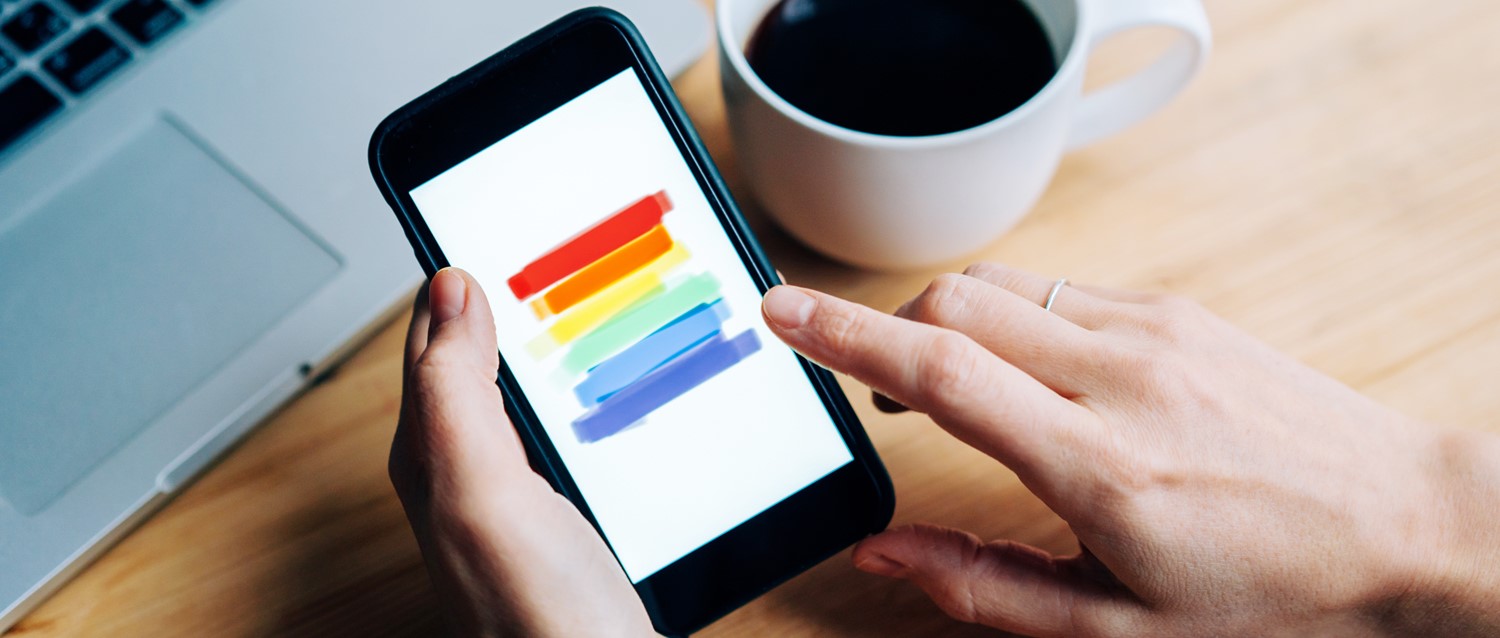
When the COVID-19 pandemic hit, the way we access healthcare changed. For the LGBTQ+ community, the move to remote mental health services also resulted in more people using them. We explore how this has improved LGBTQ+ mental health support in a post-pandemic world.
Mental health support for adults and children
Online CBT and psychological therapy for adults and children aged 8–17. Onebright’s accredited clinicians support people experiencing anxiety, depression and other emotional challenges.
LGBTQ+ mental health
It's hard to quantify the increase in the number of LGBTQ+ people accessing remote mental health services, as NHS Digital, the body responsible for collecting data on how NHS services are used, does not collect these data.
But Charlotte Cooke, assistant director for services at charity LGBT Foundation, and clinical psychologist Dr Brendan Dunlop, , both agree the move to remote mental health services has improved uptake among the community.
They explain how remote mental health services have benefited LGBTQ+ people, and where people can access these services.
Overcoming barriers
The LGBT Foundation experienced a 46% increase in demand for its therapy service from 2019-20 to 2020-21, Cooke explains. There was also a change in the complexity of referrals received, with themes such as trauma, PTSD, self-harm, suicidal thoughts, and co-existing issues such as drug use and domestic abuse.
The move to remote mental health services also removed a number of barriers for LGBTQ+ people, which goes some way in explaining the increase in access to services. Cooke says people tend to travel to access LGBTQ+ specific support, but for many, travel isn't an easy option.
"Not everyone within our community feels - or is - safe travelling on public transport. The offer of accessing online support from home, either by telephone or video call, has removed this barrier for many," she says.
"It also has the additional convenience of not having to arrange appointments to fit into other responsibilities and around working commitments factoring in travel to a face-to-face location.
"The feeling of safety when you are accessing this support from home can be invaluable to the therapeutic process, as it removes the anxiety about seeing a practitioner face-to-face, sitting in a waiting area and so on."
But she adds that mental health service providers should not fall into the trap of thinking going digital works for everyone. She says issues such as digital poverty, digital literacy, and the lack of a confidential space at home can prevent people from using remote services.
Dr Dunlop explains that engaging with mainstream mental health services can often be difficult for LGBTQ+ people, due to heteronormative stigma - the assumption many health experts make that someone is heterosexual - and the potential shame some feel when accessing some services, including HIV or sexual health clinics.
"We know that LGBTQ+ people experience disproportionate rates of mood difficulties, including anxiety, compared to heterosexual people. For some, the experience of high levels of anxiety may stop them from attending initial appointments," he says.
"Engaging in remote sessions in an environment that feels more comfortable can therefore be beneficial. Linked to this, I think, is the fact that people can feel more in control of their appointment when they are more easily able to end the session on their terms."
The need for better access to mental health services
Overall, the pandemic saw a huge shift towards remote healthcare, which has proved a positive experience for many. According to the Nuffield Trust, before the pandemic, people who had a GP appointment over the phone were 4% less likely to feel their healthcare professional recognised and understood any mental health needs.
But for members of the LGBTQ+ community, accessing mental health services can have unnecessary barriers. It's thought that 1 in 7 LGBTQ+ people do not seek treatment for fear of discrimination in healthcare. On top of this, the discrimination they can face on the street, on public transport, and in waiting rooms can make accessing health services even more difficult.
Improving access to mental health services for the LGBTQ+ community would have a significant impact. According to the Mental Health Foundation, 1 in 8 LGBTQ+ people aged 18-24 have attempted to end their own life, half have experienced depression, and 3 in 5 have experienced anxiety.
The pandemic saw a significant rise in the number of LGBTQ+ people seeking suicide-prevention support. Support group LGBT Hero reported 35% of respondents to its LGBTQ+ Lockdown Wellbeing Report 2021 said they felt suicidal. Trans and gender diverse people were three times more likely to try to kill themselves in the last year than cis-gendered people, while around half of LGBTQ+ people under 25 reported feeling like killing themselves in the last year.
Advice for LGBTQ+ people accessing services
While there has been an increase in the uptake of remote mental health services among the LGBTQ+ community, there remains a stigma around accessing mental health services that can leave some feeling uncomfortable about asking for help.
Dr Dunlop says one of the most important things to ask when accessing mental health services is whether they have appropriate knowledge of the specific challenges LGBTQ+ people face.
That way you can ensure the person or service you are using will be best equipped to deal with your needs.
"Ensure you feel comfortable with the individual or service you are seeking support from," he says.
"It can be difficult to have to explain every nuance of the community to a practitioner who is just not tuned in to this part of our society.
"It might be helpful to read up about the professional or the service before you attend or ask the service directly. Feeling comfortable and safe is essential to getting the most out of your appointment.
"If you feel uncomfortable and unsafe, then you're unlikely to be as open and honest - as you may need to be to get the support you need."
Patient picks for Mental health therapy

Treatment and medication
Could you benefit from music therapy?
Whether you're blasting Kate Bush, or shredding along to Metallica (Stranger Things fans, unite!), the right tune can turn even the most Upside Down day right-side up. Music therapy is the clinical practice that uses the power of music to help you explore your innermost thoughts and feelings. Not only can this treatment help people struggling with mental wellbeing - it has been shown to positively affect people with physical illnesses, disabilities, and a wide range of long-term conditions.
by Victoria Raw

Treatment and medication
Unconventional healing: the rise of alternative therapies
Alternative wellness therapies - often called complementary, mind-body or holistic therapies - are on the rise. Some people are exploring these treatments as potential alternatives for tried and tested mental health treatments such as cognitive behavioural therapy (CBT). We look at the most popular ones and see what the experts think.
by Victoria Raw
About the authorView full bio

Amberley Davis
Senior writer
BA (Hons), CPD
Amberley is a senior writer with Patient and has written extensively on a range of health and wellbeing topics.
About the reviewerView full bio

Dr Krishna Vakharia, MRCGP
Chief Medical Officer for Health, Optum UK
MBChB, MRCGP(2013), BMedSci (hons), DFSRH, DRCOG, PGDipDerm (Distn)
Dr Krishna Vakharia is an NHS GP. She is also a regular examiner for the postgraduate Diploma in Practical Dermatology at Cardiff University as well as being the Chief Medical Officer for health at Optum UK.
Article history
Article also available in English, German, Spanish, French, Italian, Portuguese, Hindi, Hebrew, Arabic, and Swedish.
Next review due: 27 Jun 2026
27 Jun 2023 | Latest version
23 Mar 2022 | Originally published
Authored by:
Amberley Davis
Join the conversation
Share your thoughts or experiences with others in our patient communities.

Ask, share, connect.
Browse discussions, ask questions, and share experiences across hundreds of health topics.

Feeling unwell?
Assess your symptoms online for free
Sign up to the Patient newsletter
Your weekly dose of clear, trustworthy health advice - written to help you feel informed, confident and in control.
By subscribing you accept our Privacy Policy. You can unsubscribe at any time. We never sell your data.
More in treatment and medication
- 4 first aid tips for a safe and merry Christmas
- Book a Pharmacy First online consultation
- Can hair transplants improve mental health?
- CBT for insomnia: how does it work?
- Do mental health apps really work?
- How to avoid antidepressant withdrawal symptoms
- How to choose a therapist
- Is ASMR the secret to sensory bliss?
- Is it safe to take opioid painkillers?
- Prescriptions: your questions answered
- Should you worry about painkiller addiction?
- The importance of learning CPR: Emma tells her story
- Video: Hip replacement recovery exercises
- Wegovy FAQs: Common weight loss questions answered
- What age can you get lip fillers and Botox in the UK?
- What is #MedSafetyWeek and MHRA Yellow Card scheme?
- What is peer support and how can it help you?
- When should you stop taking antidepressants?
- Who is eligible for weight loss injections?
- Why we need to talk about breast implant illness