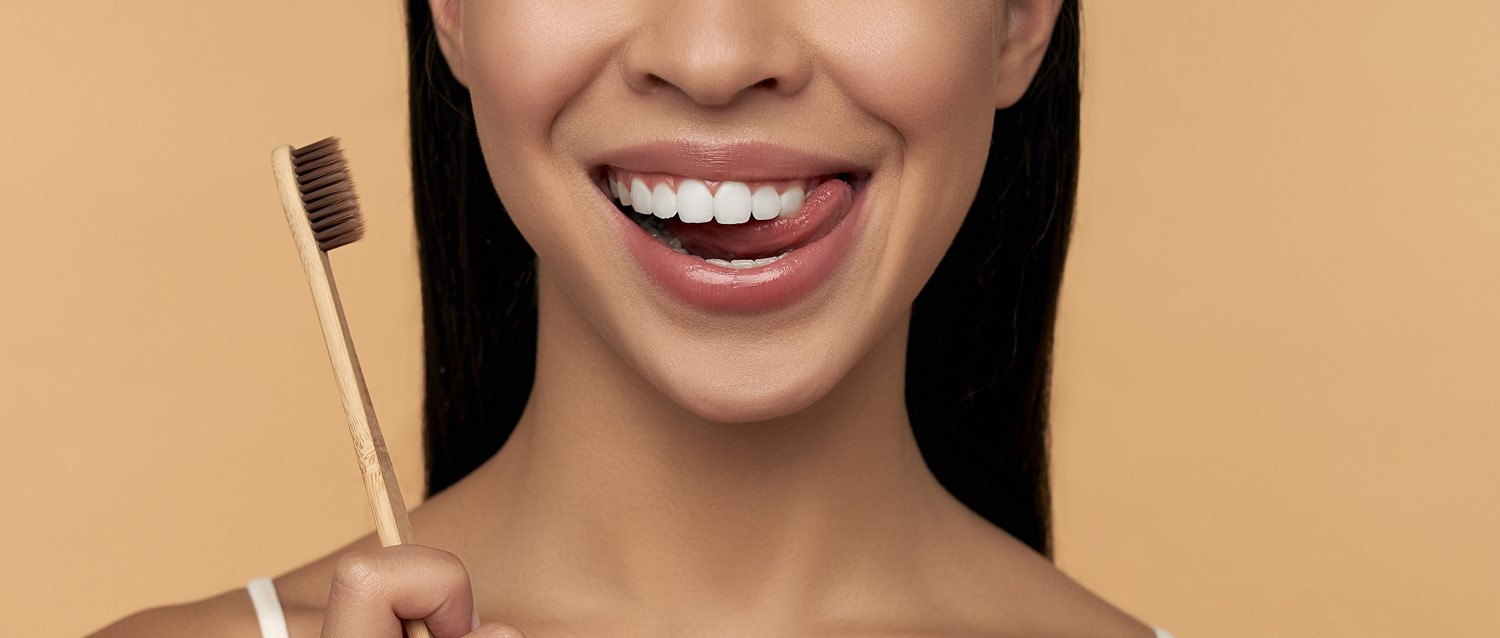
How have Brits neglected their oral health during the pandemic?
Peer reviewed by Dr Sarah JarvisAuthored by Emily Jane BashforthOriginally published 27 Jan 2022
Meets Patient’s editorial guidelines
- DownloadDownload
- Share
- Language
- Discussion
- Audio Version
- Add to preferred sources on Google
New research reveals 1 in 3 Brits have let their oral health slip since the start of the pandemic, driven by a lack of routine and other health-related issues taking priority over looking after their teeth and gums.
What has the pandemic done to our oral health?
A recent national survey of dentists saw 82% report an increase in the number of patients they are seeing that require fillings following the pandemic.
All of the dentists surveyed reported an increase in common oral health issues across the board including:
Severe plaque build-up.
Gum disease.
How can we get back on track with oral health in 2022?
As we enter another year of disrupted routines, it's important to spend time maintaining our oral health - not only for good oral hygiene but also because of the links this has to our overall health.
From this study, the following stats identified the effect of the pandemic on our oral hygiene
29% of Brits agree they have let their general oral health slip over the last 20 months.
More than 1 in 4 no longer floss.
29% agree they weren't taking proper care of their oral health during lockdown periods.
36% said the lack of routine meant they often forgot to brush their teeth.
28% said they had other health-related issues on their mind, so their oral health was not a priority.
Research suggests the oral health of the nation has declined over the course of the pandemic. Most Brits are saying they abandoned their oral health during various stages of lockdown as they adapted to the shift in normality. A change in people's daily routines, driven by lockdown and working from home, seems to be the cause of oral care routines being neglected.
Dr Alex George and leading dentist Dr Monik Vasant want to help people recognise the importance of looking after their mouths. This comes as 20% of Brits admit they only brush their teeth once a day and 22% have gone for more than three days without brushing at all.
Dr George wants to encourage good oral health habits as a way of improving your general health.
This follows the survey finding a low awareness of the link between oral health and overall health. Almost 28% of participants were unaware that oral conditions can lead to wider health conditions.
"Your mouth is a gateway to your overall health. Dental issues such as gum problems have been linked with health issues including type 2 diabetes, cardiovascular disease, respiratory disease and even dementia, which is why it's so important to include looking after your mouth as part of a wider health routine," says Dr George.
Dr Vasant is urging patients to prioritise their oral care routines at home and return to the dentist for regular oral care check-ups once COVID-19 guidelines allow.
Almost half of Brits, 43%, admit they haven't been to the dentist since before the pandemic hit in March 2020.
"The social factors surrounding the pandemic, such as lockdown and home working, have led to a decline in many people's oral health. People don't realise that not brushing your teeth twice a day, even just for two weeks, can result in a build-up in plaque that can have a lasting impact. We're seeing this play out with the increase of patients presenting with gum disease and tooth decay," he shares.
To get back on track with your oral health, Dr George and Dr Vasant are encouraging people to:
Brush twice a day for two minutes.
Change your brush or brush head every three months.
Clean in between your teeth.
Use fluoride toothpaste with antibacterial ingredients to look after your whole mouth, not just your teeth.
Dr Vasant adds: "A healthy body starts with a healthy mouth, and growing an understanding about this is essential to encourage a return to better oral hygiene routines. Good oral health begins at home, not in the dentist's chair."
Patient picks for Pandemic articles

COVID-19
COVID-19: how to manage back-to-school worries
From 8th March, pupils across England will be heading back to school. But with the pandemic still affecting our daily lives, many children have found their familiar school has undergone significant change, both in terms of rules, structure and environment.
by Gillian Harvey
COVID-19
Coping with OCD as lockdown eases
As pubs, salons and restaurants reopen their doors, for some of us - and for many with OCD - more freedom means more stress. A psychologist who specialises in treating OCD explains what steps people can take to manage mental health problems.
by Ellie Broughton
About the authorView full bio
Authored by

Emily Jane Bashforth
Feature Writer
NCTJ
Emily is a Feature Writer with Patient, writing articles on a variety of topics relating to health and well-being.
About the reviewerView full bio

Dr Sarah Jarvis
Clinical Consultant
MA (Cantab), BM, BCh (Oxon), DRCOG, FRCGP, MBE
After training in medicine at Cambridge and Oxford, Dr Sarah Jarvis MBE became a GP.
Article history
Article also available in English, German, Spanish, French, Italian, Portuguese, Hindi, Hebrew, Arabic, and Swedish.
27 Jan 2022 | Originally published
Authored by:
Emily Jane BashforthPeer reviewed by
Dr Sarah Jarvis
Join the conversation
Share your thoughts or experiences with others in our patient communities.

Ask, share, connect.
Browse discussions, ask questions, and share experiences across hundreds of health topics.

Feeling unwell?
Assess your symptoms online for free
Sign up to the Patient newsletter
Your weekly dose of clear, trustworthy health advice - written to help you feel informed, confident and in control.
By subscribing you accept our Privacy Policy. You can unsubscribe at any time. We never sell your data.